

Gig Harbor: 253-851-9473

Tacoma: 253-474-9473

Call US
Contact Us
Gig Harbor - Tacoma Orthodontics Logo
  • Home
  • About Us
    • Meet Our Team
    • Blog
  • Locations
    • Gig Harbor Orthodontics
    • Tacoma Orthodontics – Proctor Braces
  • Gig Harbor
    • Orthodontics
    • Traditional Braces
    • Invisalign
    • Invisalign Teen
    • Orthodontic Consultations
    • Orthodontic Evaluations for Children and Teens
    • Orthodontic Evaluations for Adults
    • Early Orthodontics
    • Phase 1 Orthodontics
    • Retainers
  • Tacoma – Proctor Braces
    • Orthodontics
    • Traditional Braces
    • Invisalign
    • Invisalign Teen
    • Orthodontic Consultations
    • Orthodontic Evaluations for Children and Teens
    • Orthodontic Evaluations for Adults
    • Early Orthodontics
    • Phase 1 Orthodontics
    • Retainers
  • New Patients
  • Self Ligating Braces vs Traditional Braces: A Comparison

    Self Ligating Braces vs Traditional Braces: A Comparison

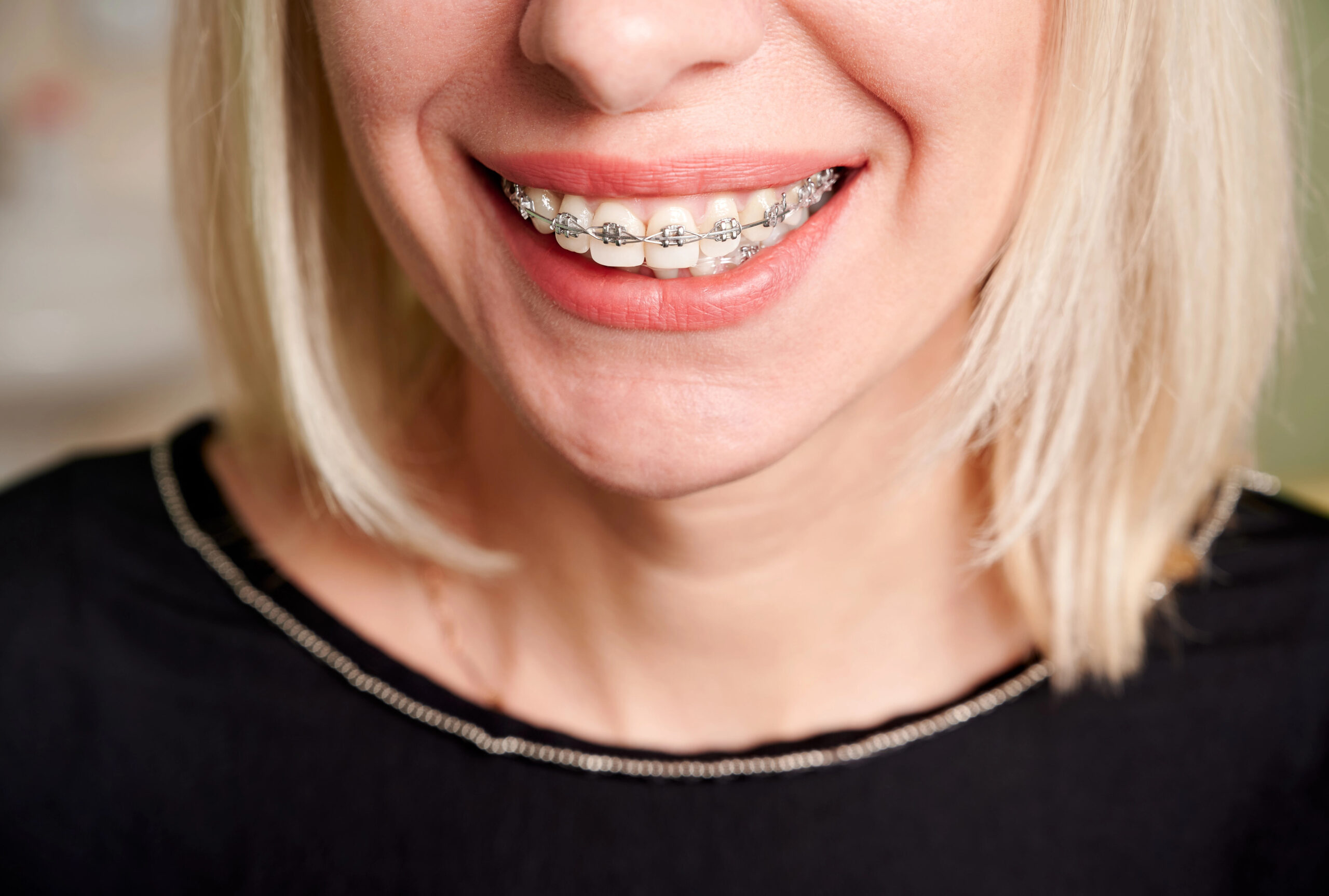
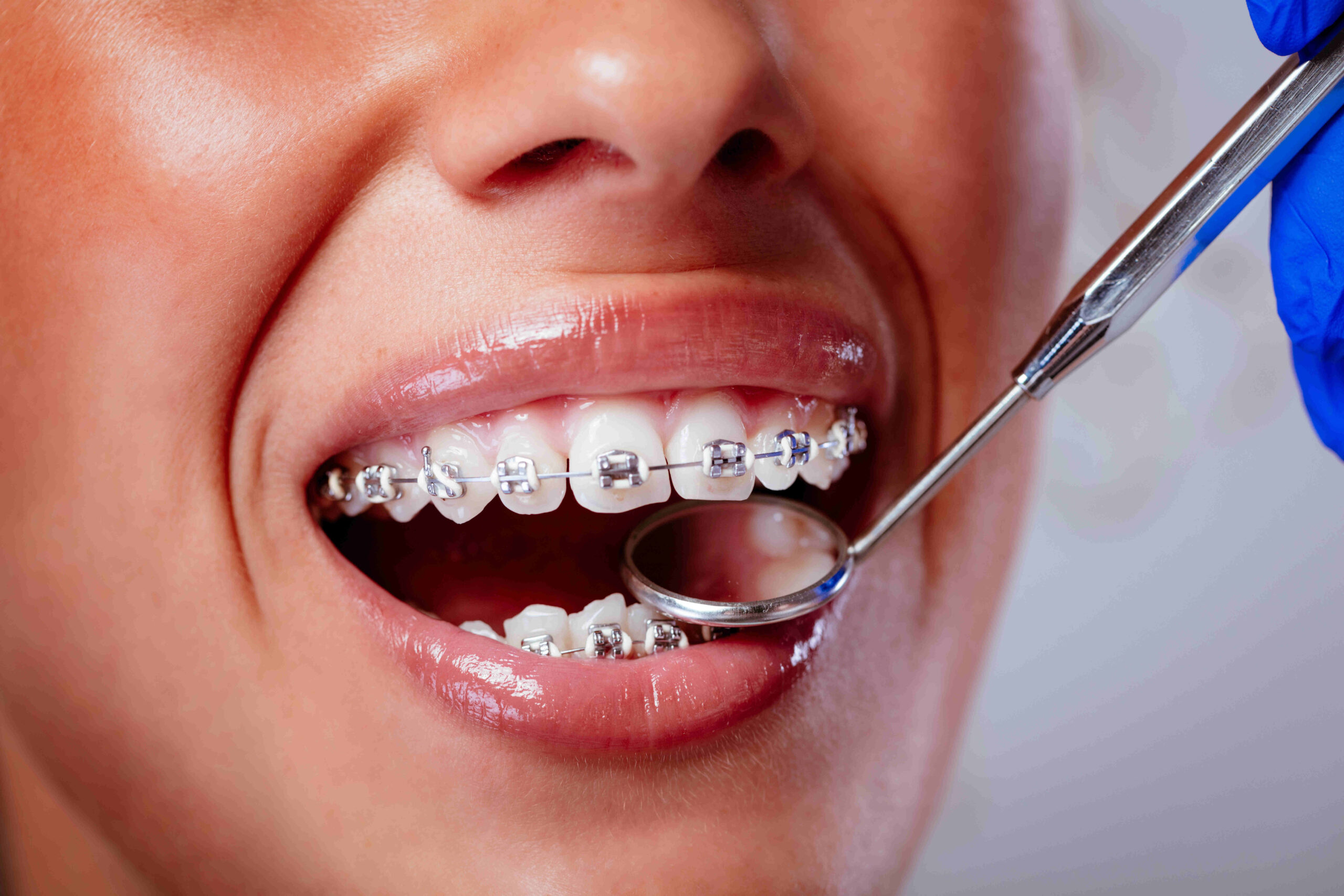
    In the debate of self ligating braces vs traditional braces, self-ligating braces use a specialized clip instead of elastic bands to hold the wire in place, potentially offering a more comfortable experience, while traditional braces rely on elastic ties to secure the wire, which can require more frequent adjustments. Both options aim to effectively straighten teeth, but they differ in their mechanisms and maintenance requirements.

    Self Ligating Braces vs Traditional Braces

    When comparing self-ligating braces vs traditional braces, one of the primary distinctions lies in their design and mechanism. Traditional braces utilize elastic bands or metal ties to hold the archwire in place, which can create friction and pressure on the teeth. In contrast, self-ligating braces feature a specialized clip or bracket that secures the archwire without the need for additional ties. This design difference allows for a more streamlined appearance and can potentially reduce the number of adjustments needed during treatment.

    The mechanism of self-ligating braces vs traditional braces also impacts how they function. Traditional braces rely on the elastic bands to apply consistent pressure, which can sometimes lead to discomfort as the bands need regular tightening. Self-ligating braces, however, use a sliding mechanism that allows the archwire to move more freely, potentially offering a more comfortable experience. For those interested in exploring other orthodontic options, you might find the discussion on Fast Braces vs Traditional Braces: Speed or Comfort? insightful.

    Treatment Duration Comparison

    When considering orthodontic options, the duration of treatment is a significant factor for many individuals. Self-ligating braces are often highlighted for their potential to reduce treatment time compared to traditional braces. This is primarily due to their design, which allows for more efficient tooth movement. However, the actual duration can vary based on individual cases, including the complexity of the dental issues being addressed and the patient’s adherence to orthodontic guidelines.

    Traditional braces, on the other hand, have been a reliable choice for decades and are known for their effectiveness in treating a wide range of dental problems. While they may sometimes require a longer treatment period, they remain a popular option due to their proven track record. For those interested in exploring more about this option, visiting the Gig Harbor Traditional Braces page can provide additional insights into what to expect during the treatment process.

    Comfort and Pain Levels

    When considering self-ligating braces vs traditional braces, comfort and pain levels are often top of mind for individuals seeking orthodontic treatment. Self-ligating braces are designed with a specialized clip mechanism that eliminates the need for elastic bands, potentially reducing friction and pressure on the teeth. This design can lead to a more comfortable experience for some patients, as it may allow for smoother tooth movement. On the other hand, traditional braces use elastic bands to hold the archwire in place, which can sometimes result in increased pressure and discomfort, especially after adjustments. However, pain and comfort levels can vary significantly from person to person, depending on individual sensitivity and the specific orthodontic needs being addressed.

    Aesthetic Considerations

    When comparing self-ligating braces vs traditional braces, aesthetic considerations often play a significant role in the decision-making process. Self-ligating braces are generally smaller and less noticeable than traditional braces, which can be appealing to those concerned about the visual impact of orthodontic treatment. Traditional braces, on the other hand, are more visible due to their larger brackets and the use of elastic ties. This difference in appearance can influence a patient’s choice, especially for adults and teens who may prioritize a more discreet look. For those exploring orthodontic options in the area, Gig Harbor Orthodontics offers a range of treatments to suit various aesthetic preferences, as detailed on their Gig Harbor Dentist page.

    Cost Implications

    When considering self-ligating braces vs traditional braces, cost implications are a significant factor for many individuals. Generally, the overall cost can vary based on several factors, including the complexity of the dental issues being addressed and the duration of the treatment. Self-ligating braces may sometimes present a higher initial cost due to their advanced technology and design, which can potentially reduce the number of visits to the orthodontist.

    On the other hand, traditional braces might have a lower upfront cost but could require more frequent adjustments and maintenance appointments, potentially increasing the total expense over time. It’s essential to weigh these cost implications when deciding between self-ligating braces and traditional braces to ensure that the chosen option aligns with both budgetary considerations and orthodontic needs.

    Maintenance and Hygiene

    When considering self-ligating braces vs traditional braces, maintenance and hygiene are important factors to evaluate. Self-ligating braces are designed without elastic ties, which can make cleaning around the brackets easier compared to traditional braces that use elastics to hold the wire in place. This difference can impact how food particles and plaque accumulate, potentially affecting oral hygiene routines. Traditional braces may require more meticulous cleaning efforts to ensure that all areas around the brackets and wires are properly maintained. Understanding these distinctions can help in assessing the overall maintenance and hygiene requirements associated with each type of orthodontic treatment.

    Appointment Frequency

    When considering self-ligating braces vs traditional braces, one key difference lies in the frequency of orthodontic appointments. Traditional braces typically require more frequent visits to the orthodontist for adjustments, as the elastic ties that hold the wire in place need regular tightening. In contrast, self-ligating braces often necessitate fewer appointments because they use a specialized clip mechanism to hold the wire, which can reduce the need for constant manual adjustments. This difference in appointment frequency can be an important factor for individuals with busy schedules when choosing between self-ligating braces and traditional braces.

    Suitability for Complex Cases

    When considering self-ligating braces vs traditional braces, one important factor to evaluate is their suitability for complex orthodontic cases. Both types of braces have been effectively used to address a variety of dental issues, but their mechanisms differ, which can influence their application in more intricate scenarios. Traditional braces, with their elastic or metal ties, have been a longstanding choice for complex cases due to their robust ability to apply precise pressure on teeth.

    On the other hand, self-ligating braces, which use a specialized clip instead of ties, offer a different approach that some orthodontists find beneficial for certain complex alignments. The choice between self-ligating braces vs traditional braces often depends on the specific needs of the patient and the professional judgment of the orthodontist.

    Popularity and Patient Preference

    When considering self-ligating braces vs traditional braces, popularity and patient preference play significant roles in the decision-making process. Over recent years, self-ligating braces have gained attention due to their modern design and potential for a more comfortable experience, which some patients find appealing. On the other hand, traditional braces have a long-standing reputation and are often chosen for their proven effectiveness and familiarity. Patient preference can vary widely based on individual needs, lifestyle considerations, and aesthetic desires, making it essential to weigh the benefits of self-ligating braces vs traditional braces when exploring orthodontic options.

    Conclusion

    In the debate of self-ligating braces vs traditional braces, understanding the differences can help you make an informed decision; for more information, call 253-851-9473 or check out reviews on Google Maps.
    Kickstart

    November 19, 2024
  • Fast Braces vs Traditional Braces: Speed or Comfort?

    Fast Braces vs Traditional Braces: Speed or Comfort?

    When it comes to fast braces vs traditional braces, should you prioritize speed or comfort? Fast braces are designed to potentially shorten treatment time, while traditional braces have a long-standing reputation for reliability. Each option has its own set of advantages, making the choice between them a matter of personal preference and specific dental needs.

    Fast Braces vs Traditional Braces

    When considering orthodontic options, the treatment duration is a significant factor for many individuals. Fast braces vs traditional braces present distinct timelines for achieving desired results. Fast braces are often designed to expedite the alignment process, potentially reducing the overall treatment time compared to traditional braces. This accelerated approach can be appealing to those eager to see quicker results, although the exact duration can vary based on individual cases and specific dental needs.

    In contrast, traditional braces have been a longstanding method in orthodontics, typically requiring a longer commitment to achieve optimal alignment. The duration for traditional braces can extend over several years, depending on the complexity of the dental issues being addressed. Understanding these differences in treatment duration is crucial for anyone weighing their options. For more insights into orthodontic choices, you might find the article on Traditional Braces vs Invisalign Cost: What to Expect informative.

    Comfort Levels Analyzed

    When considering fast braces vs traditional braces, comfort is a significant factor that many individuals weigh heavily. Traditional braces have been around for decades and are known for their durability and effectiveness, but they can sometimes cause discomfort due to the metal brackets and wires. This discomfort can be more pronounced during adjustments, as the teeth are gradually moved into their new positions. On the other hand, fast braces are designed with a focus on reducing treatment time, which can also influence the level of comfort experienced by the wearer. The design and technology behind fast braces aim to minimize discomfort by applying gentle pressure over a shorter period.

    The choice between fast braces vs traditional braces often comes down to personal preference and tolerance for discomfort. Some people may find that the shorter treatment time of fast braces is worth any initial discomfort, while others may prefer the gradual adjustment process of traditional braces. Ultimately, the decision is highly individual and depends on various factors, including lifestyle and personal comfort levels. For those interested in exploring their options further, learning more about Braces in Gig Harbor can provide additional insights into what might be the best fit for their needs.

    Aesthetic Considerations

    When comparing fast braces vs traditional braces, aesthetic considerations often play a significant role in the decision-making process. Many individuals are concerned about how their orthodontic treatment will affect their appearance, especially in social or professional settings. Traditional braces are typically more noticeable due to their metal brackets and wires, which can be a concern for those seeking a more discreet option. On the other hand, fast braces may offer a less conspicuous appearance, depending on the specific design and materials used. Ultimately, the choice between fast braces vs traditional braces can be influenced by personal preferences regarding visibility and the overall impact on one’s smile during the treatment period.

    Cost Implications Overview

    When considering fast braces vs traditional braces, understanding the cost implications is crucial for making an informed decision. Generally, the cost of orthodontic treatment can vary significantly based on several factors, including the complexity of the dental issues being addressed, the duration of the treatment, and the specific orthodontic practice. Fast braces may offer a quicker treatment timeline, which could potentially influence the overall cost compared to traditional braces. However, it’s important to consider that each type of brace may have different associated costs, such as follow-up visits and adjustments. For those exploring their options in the Gig Harbor area, you can learn more about local orthodontic practices by visiting the Gig Harbor Dentist.

    Maintenance Requirements

    When considering fast braces vs traditional braces, understanding the maintenance requirements is crucial for anyone undergoing orthodontic treatment. Both types of braces necessitate regular cleaning to prevent plaque buildup and ensure oral health. Fast braces, known for their expedited treatment time, may require more frequent adjustments due to their accelerated nature. On the other hand, traditional braces, with their longer treatment duration, might involve a more extended commitment to maintenance routines. Regardless of the choice between fast braces vs traditional braces, maintaining a consistent oral hygiene routine is essential to achieving the desired results and ensuring the longevity of the treatment.

    Suitability for Different Ages

    When considering fast braces vs traditional braces, age can play a significant role in determining which option might be more suitable. Younger patients, such as children and teenagers, often have more malleable jawbones and teeth, which can make them more adaptable to various orthodontic treatments. On the other hand, adults may have different needs and concerns, such as aesthetics and treatment duration, which can influence their choice between fast braces and traditional braces. Each age group may experience different levels of comfort and speed in achieving desired results, making it important to consider these factors when exploring orthodontic options.

    Impact on Daily Life

    When considering fast braces vs traditional braces, it’s important to understand how each option can impact daily life. Fast braces are designed to reduce the time needed for orthodontic treatment, which may lead to fewer lifestyle disruptions and a quicker return to normal activities. On the other hand, traditional braces have been a long-standing choice, often requiring more frequent adjustments and a longer treatment period, which might affect daily routines and comfort levels. Both options have unique implications for how they integrate into everyday life, influencing everything from eating habits to oral hygiene practices.

    Long-term Results Evaluation

    When considering fast braces vs traditional braces, evaluating the long-term results is crucial for understanding their effectiveness in achieving desired dental outcomes. Both options aim to correct misalignments and improve oral health, but they may differ in how they maintain results over time. Fast braces are designed to expedite the alignment process, potentially offering quicker results, while traditional braces have a long-standing history of reliability. The choice between fast braces vs traditional braces often depends on individual needs and expectations regarding the durability and stability of the results. Understanding these differences can help in assessing which option aligns better with one’s long-term dental goals.

    Technological Advancements in Orthodontics

    In the evolving landscape of orthodontics, technological advancements have significantly influenced the debate of fast braces vs traditional braces. Innovations in materials and design have enhanced the efficiency and comfort of both options, allowing for more personalized treatment plans. These advancements have led to improved outcomes, with faster treatment times and increased comfort levels becoming more achievable. As technology continues to advance, the choice between fast braces and traditional braces becomes more nuanced, offering patients a range of options tailored to their specific needs and preferences.

    Conclusion

    In the debate of fast braces vs traditional braces, the choice ultimately depends on your personal priorities and needs. For more information, feel free to call us at 253-851-9473 or check out our Google Maps reviews.

    Kickstart

    November 19, 2024
  • Lingual Braces vs Traditional Braces: Pros and Cons

    Lingual Braces vs Traditional Braces: Pros and Cons

    Are you curious about the differences between lingual braces vs traditional braces and their respective pros and cons? Lingual braces are hidden behind the teeth, offering a discreet option, while traditional braces are more visible but often more affordable. Each type has its own set of advantages and drawbacks, making the choice dependent on individual preferences and needs.

    Lingual Braces vs Traditional Braces: Aesthetic Differences

    When considering lingual braces vs traditional braces, one of the most significant factors is their aesthetic impact. Lingual braces are designed to be placed on the back side of the teeth, making them virtually invisible from the front. This discreet positioning appeals to individuals who prefer a more subtle approach to orthodontic treatment. In contrast, traditional braces are affixed to the front of the teeth, making them more noticeable when you smile or speak. The visibility of traditional braces can be a concern for those who are conscious about their appearance during the treatment process.

    The choice between lingual braces vs traditional braces often hinges on personal preference regarding visibility. While some people embrace the classic look of traditional braces, others may opt for the hidden nature of lingual braces to maintain a more natural appearance. Both options have their unique aesthetic considerations, which can influence a person’s decision based on their lifestyle and comfort level with visible orthodontic appliances. For those interested in exploring their options further, you can Find Traditional Braces Near Me: Local Orthodontists to discuss which type of braces might suit your needs best.

    Comfort Levels

    When considering lingual braces vs traditional braces, comfort is a significant factor for many individuals. Lingual braces are placed on the back of the teeth, which can initially cause discomfort as the tongue adjusts to their presence. This positioning may lead to temporary speech difficulties and irritation. On the other hand, traditional braces are affixed to the front of the teeth, which might be more familiar to those who have seen others with braces. However, they can also cause discomfort due to the brackets and wires rubbing against the inner cheeks and lips.

    The comfort levels between lingual braces and traditional braces can vary greatly depending on personal preferences and individual oral structures. Some people may find that they adapt quickly to one type over the other, while others may experience prolonged discomfort. For those interested in exploring their options further, visiting a local orthodontist can provide more personalized insights. To learn more about traditional braces, you can visit our page on Gig Harbor Orthodontic Braces.

    Speech Impact

    When considering lingual braces vs traditional braces, one important factor to evaluate is their impact on speech. Lingual braces, which are placed on the inner side of the teeth, may initially cause more noticeable speech difficulties compared to traditional braces. This is because the tongue comes into contact with the brackets and wires, potentially affecting pronunciation and clarity. On the other hand, traditional braces, positioned on the front of the teeth, might have a less pronounced effect on speech since they do not interfere as directly with tongue movement. However, both types of braces typically require an adjustment period during which any speech impediments tend to diminish as individuals become accustomed to their presence.

    Cost Comparison

    When considering lingual braces vs traditional braces, the cost is a significant factor for many individuals. Lingual braces, which are placed on the back of the teeth, tend to be more expensive due to their custom design and the specialized skills required for installation. On the other hand, traditional braces, which are affixed to the front of the teeth, are generally more affordable and widely available. The price difference can be attributed to the complexity and time involved in fitting lingual braces compared to the more straightforward process of traditional braces. For those exploring orthodontic options in the area, Gig Harbor Orthodontics offers insights into various treatments; learn more by visiting Gig Harbor Dentist.

    Treatment Duration

    When considering lingual braces vs traditional braces, treatment duration is a key factor that often influences decision-making. Generally, the time required to achieve desired results can vary based on individual dental needs and the complexity of the case. Lingual braces, which are placed on the back of the teeth, may sometimes require a longer treatment period compared to traditional braces due to their unique positioning and the intricate adjustments needed.

    On the other hand, traditional braces, which are affixed to the front of the teeth, have been used for decades and typically offer a more predictable timeline for treatment. However, it’s important to note that the actual duration for either option will depend on various factors, including the specific orthodontic issues being addressed and the patient’s adherence to treatment protocols.

    Maintenance Requirements

    When considering lingual braces vs traditional braces, understanding the maintenance requirements for each option is crucial. Lingual braces, which are placed on the back of the teeth, can be more challenging to clean due to their positioning. This may require more meticulous oral hygiene practices to prevent plaque buildup and ensure effective cleaning. On the other hand, traditional braces, with brackets and wires on the front of the teeth, are more visible and may be easier to clean with standard brushing and flossing techniques. Both types of braces necessitate regular dental check-ups to monitor progress and make necessary adjustments, ensuring that the teeth are moving as planned.

    Eating Restrictions

    When considering lingual braces vs traditional braces, it’s important to understand the eating restrictions associated with each option. Both types of braces require some dietary adjustments to prevent damage and ensure effective treatment. With traditional braces, foods that are hard, sticky, or chewy can pose a risk to the brackets and wires, potentially leading to breakage or misalignment. Lingual braces, which are placed on the back of the teeth, also necessitate caution with similar types of foods, as they can be equally susceptible to damage. Regardless of the choice between lingual braces vs traditional braces, maintaining a mindful approach to eating can help in achieving the desired orthodontic results.

    Visibility Concerns

    When considering lingual braces vs traditional braces, one of the primary factors that often comes into play is visibility. Traditional braces are typically more noticeable as they are affixed to the front of the teeth, making them visible when you smile or speak. In contrast, lingual braces are placed on the back of the teeth, offering a more discreet option for those concerned about the appearance of metal brackets. This difference in placement can significantly impact a person’s comfort level with their orthodontic treatment, especially in social or professional settings where discretion might be preferred.

    Suitability for Complex Cases

    When considering lingual braces vs traditional braces, it’s important to understand their suitability for complex orthodontic cases. Lingual braces, which are placed on the inside of the teeth, can be effective for certain intricate dental issues, but their application may be limited by the specific nature of the misalignment. Traditional braces, on the other hand, are often preferred for more severe or complex cases due to their versatility and ability to exert greater control over tooth movement. The choice between lingual braces vs traditional braces ultimately depends on the unique requirements of the individual’s dental structure and the complexity of the case at hand.

    Conclusion

    In the debate of lingual braces vs traditional braces, understanding the pros and cons of each can help you make an informed decision; for more information, call 253-851-9473 or check out the reviews on Google Maps.

    Kickstart

    November 19, 2024

Gig Harbor – Tacoma Orthodontics

Proudly making smiles brighter in the Washington area.

Contact Us

Contact

5334 Olympic Dr #201, Gig Harbor, WA 98335, United States

253-851-9473

Services

  • Early orthodontics

  • Invisalign

  • Invisalign teen

  • Orthodontic Consultations

  • Orthodontic Evaluations for Adults

  • Orthodontic Evaluations for Children and Teens

  • Orthodontics

  • Phase 1 Orthodontics

Hours

Hours vary by location—please contact us for details.

© 2026 Gig Harbor – Tacoma Orthodontics. Privacy Policy