Gig Harbor: 253-851-9473

Tacoma: 253-474-9473

Gig Harbor - Tacoma Orthodontics Logo
  • Home
  • About Us
    • Meet Our Team
    • Blog
  • Locations
    • Gig Harbor Orthodontics
    • Tacoma Orthodontics – Proctor Braces
  • Gig Harbor
    • Orthodontics
    • Traditional Braces
    • Invisalign
    • Invisalign Teen
    • Orthodontic Consultations
    • Orthodontic Evaluations for Children and Teens
    • Orthodontic Evaluations for Adults
    • Early Orthodontics
    • Phase 1 Orthodontics
    • Retainers
  • Tacoma – Proctor Braces
    • Orthodontics
    • Traditional Braces
    • Invisalign
    • Invisalign Teen
    • Orthodontic Consultations
    • Orthodontic Evaluations for Children and Teens
    • Orthodontic Evaluations for Adults
    • Early Orthodontics
    • Phase 1 Orthodontics
    • Retainers
  • New Patients
Contact Us
  • Invisalign for Crowded Teeth: Straighten with Ease

    Invisalign for Crowded Teeth: Straighten with Ease

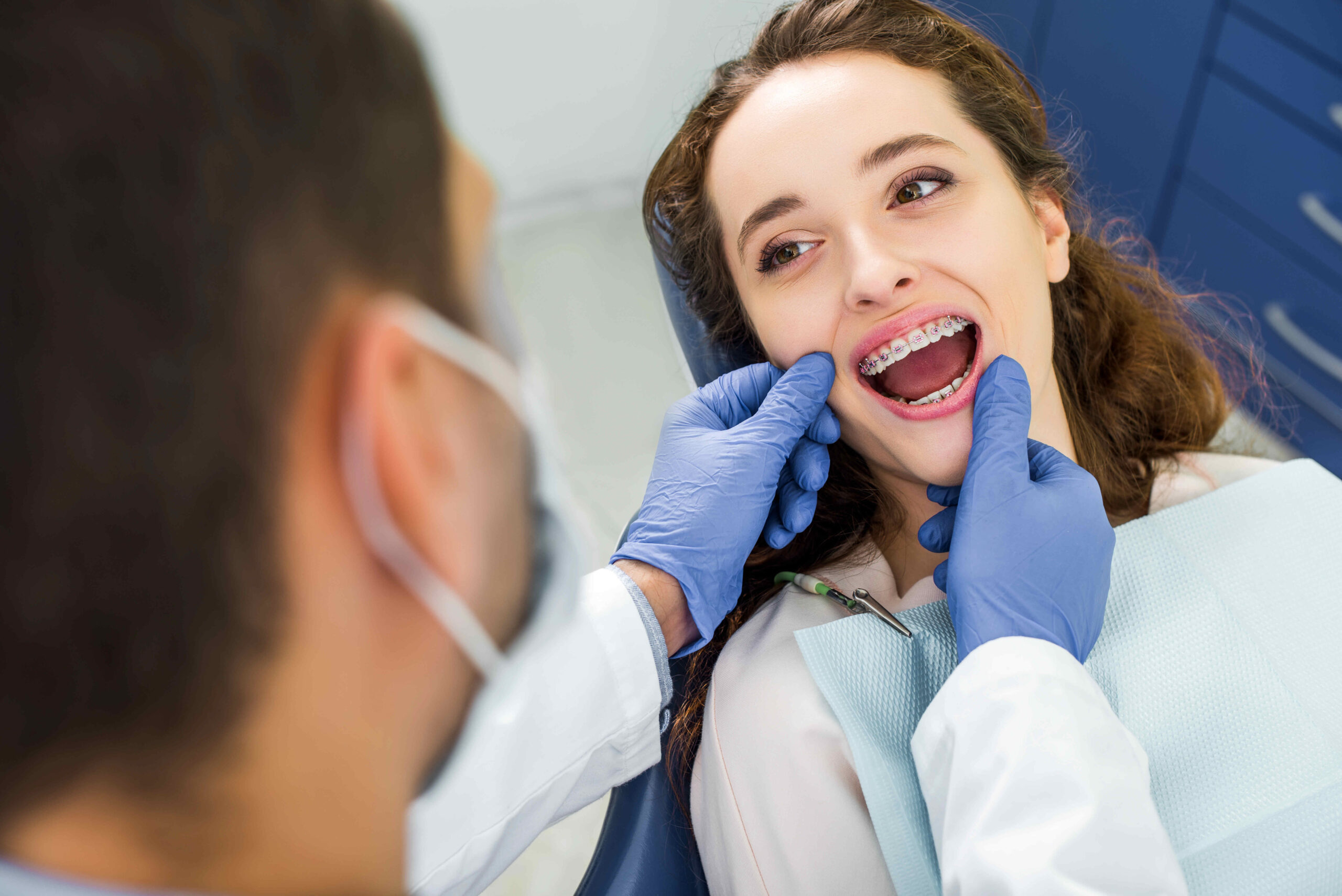
    Are you curious about how Invisalign for crowded teeth can help you achieve a straighter smile with ease? Invisalign for crowded teeth offers a modern approach to aligning teeth by using clear aligners that gradually shift teeth into place. This method provides a discreet and comfortable alternative to traditional braces, making it a popular choice for many seeking orthodontic treatment.

    Invisalign for Crowded Teeth

    Understanding crowded teeth is essential when considering options like Invisalign for crowded teeth. Crowded teeth occur when there is insufficient space in the jaw for all of the teeth to fit normally. This can lead to overlapping, twisting, or bunching of teeth, which may affect both the appearance and function of your smile. The condition can be caused by various factors, including genetics, early loss of primary teeth, or habits such as thumb sucking. Recognizing the underlying causes of crowded teeth can help in understanding the potential impact on oral health and the importance of addressing this common dental issue.

    Crowded teeth can make it challenging to maintain proper oral hygiene, as overlapping teeth create hard-to-reach areas that are prone to plaque buildup and decay. This can increase the risk of gum disease and other dental problems over time. Additionally, crowded teeth may affect the alignment of your bite, leading to discomfort or difficulty in chewing. Exploring solutions like Invisalign for crowded teeth can be a step towards achieving a healthier and more aesthetically pleasing smile. For those interested in learning about other dental alignment issues, you might find the article on Invisalign for Deep Bite: Correct Your Smile Painlessly informative.

    Benefits of Teeth Alignment

    Achieving proper teeth alignment can significantly enhance both oral health and overall well-being. When teeth are correctly aligned, it becomes easier to maintain oral hygiene, as brushing and flossing can be performed more effectively. This reduces the risk of plaque buildup, cavities, and gum disease. Additionally, aligned teeth can improve bite function, reducing strain on the jaw and minimizing the risk of temporomandibular joint disorders. For those dealing with crowded teeth, solutions like Invisalign offer a discreet and comfortable way to achieve a straighter smile.

    Beyond health benefits, aligned teeth can also boost self-confidence and improve social interactions. A well-aligned smile is often perceived as more attractive, which can positively impact personal and professional relationships. Furthermore, proper alignment can enhance speech clarity and reduce wear on teeth, contributing to long-term dental health. For individuals seeking solutions for crowded teeth, consulting with Tacoma’s Invisalign Experts can provide valuable insights into achieving a healthier, more confident smile.

    How Aligners Work

    Invisalign for crowded teeth utilizes a series of clear, custom-made aligners designed to gradually shift teeth into their desired positions. These aligners are crafted from a smooth, comfortable material that fits snugly over the teeth, applying gentle, consistent pressure to guide them into alignment. Each set of aligners is typically worn for a specified period before progressing to the next set in the series, allowing for incremental adjustments. This method offers a discreet and convenient approach to addressing dental crowding, making it a popular choice for those seeking to enhance their smile without the use of traditional braces.

    Duration of Treatment

    When considering Invisalign for crowded teeth, one of the most common questions is about the duration of treatment. The length of time required to achieve a straighter smile can vary depending on the severity of the crowding and individual dental needs. Generally, the process can take several months to a couple of years, with regular check-ins to monitor progress. It’s important to remember that each person’s journey is unique, and patience is key to achieving the desired results. For those in the Tacoma area seeking more information, Tacoma Orthodontics offers insights into the process. Learn more by visiting your local Tacoma Dentist.

    Comfort During Treatment

    When considering options for addressing crowded teeth, comfort during treatment is a significant factor for many individuals. Invisalign for crowded teeth offers a unique approach that prioritizes ease and convenience throughout the alignment process. The design of these aligners allows for a snug yet gentle fit, minimizing discomfort often associated with traditional methods. This approach ensures that individuals can continue with their daily activities without the constant reminder of their ongoing dental treatment. The smooth material used in the aligners helps to prevent irritation, making the journey to a straighter smile more pleasant and manageable.

    Maintenance of Aligners

    When using Invisalign for crowded teeth, maintaining the aligners is a crucial aspect of the treatment process. Proper maintenance ensures that the aligners remain clear and effective throughout the duration of use. Regular cleaning helps in preventing discoloration and buildup, which can affect the overall experience. It’s important to handle the aligners with care to avoid any damage that might compromise their fit and function. By focusing on maintenance, individuals can ensure that their journey with Invisalign for crowded teeth progresses smoothly, contributing to the desired outcome of a straighter smile.

    Comparing Traditional Braces

    When considering options for addressing crowded teeth, many people weigh the benefits of traditional braces against newer alternatives like Invisalign. Traditional braces have been a longstanding method for correcting dental misalignments, using metal brackets and wires to gradually shift teeth into place. However, the advent of Invisalign for crowded teeth has introduced a more discreet and flexible option. Unlike the fixed nature of braces, Invisalign aligners are removable, offering a different approach to managing dental crowding. This comparison highlights the evolving landscape of orthodontic solutions, where individuals can explore various methods to achieve their desired dental alignment.

    Common Misconceptions

    When considering Invisalign for crowded teeth, it’s important to address some common misconceptions that may cloud your understanding. One prevalent myth is that Invisalign is only suitable for minor dental adjustments, leading many to believe it cannot effectively address crowded teeth. However, this is not the case, as advancements in orthodontic technology have expanded the capabilities of clear aligners. Another misconception is that Invisalign treatment is a lengthy process compared to traditional methods, which can deter individuals from exploring this option. Additionally, some people mistakenly think that Invisalign is less effective for adults with crowded teeth, assuming it’s primarily for teenagers. These misconceptions can prevent individuals from exploring all available options for achieving a straighter smile.

    Post-Treatment Care

    After completing your journey with Invisalign for crowded teeth, maintaining the results is an essential part of the process. Ensuring that your teeth remain in their new positions involves a commitment to post-treatment care. This phase is crucial for preserving the alignment achieved through the use of Invisalign for crowded teeth. Regular check-ups and consistent oral hygiene practices play a significant role in sustaining the health and appearance of your smile. By focusing on these aspects, you can enjoy the long-term benefits of your newly aligned teeth, ensuring that the effort invested in addressing crowded teeth continues to pay off well into the future.

    Conclusion

    Discover the benefits of Invisalign for crowded teeth and take the first step towards a confident smile by calling 253-474-9473 or visiting Proctor Braces for reviews.
    Kickstart

    November 19, 2024
  • Invisalign for Gap Teeth: Close Gaps Seamlessly

    Invisalign for Gap Teeth: Close Gaps Seamlessly

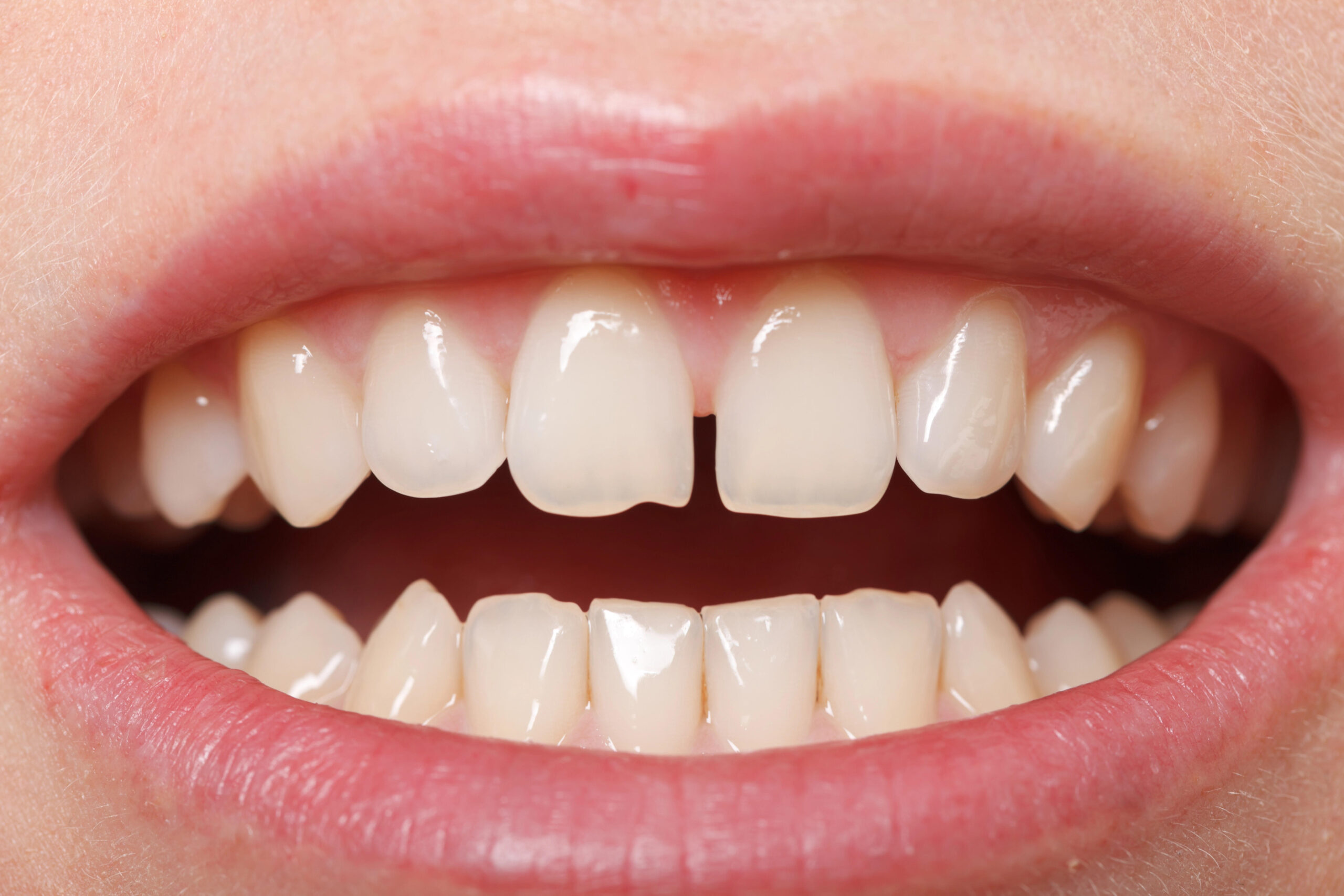
    Are you curious about how Invisalign for gap teeth can help close gaps seamlessly? Invisalign for gap teeth offers a modern approach to aligning teeth, using clear aligners to gradually bring them closer together. This method provides a discreet and effective way to achieve a more uniform smile.

    Invisalign for Gap Teeth

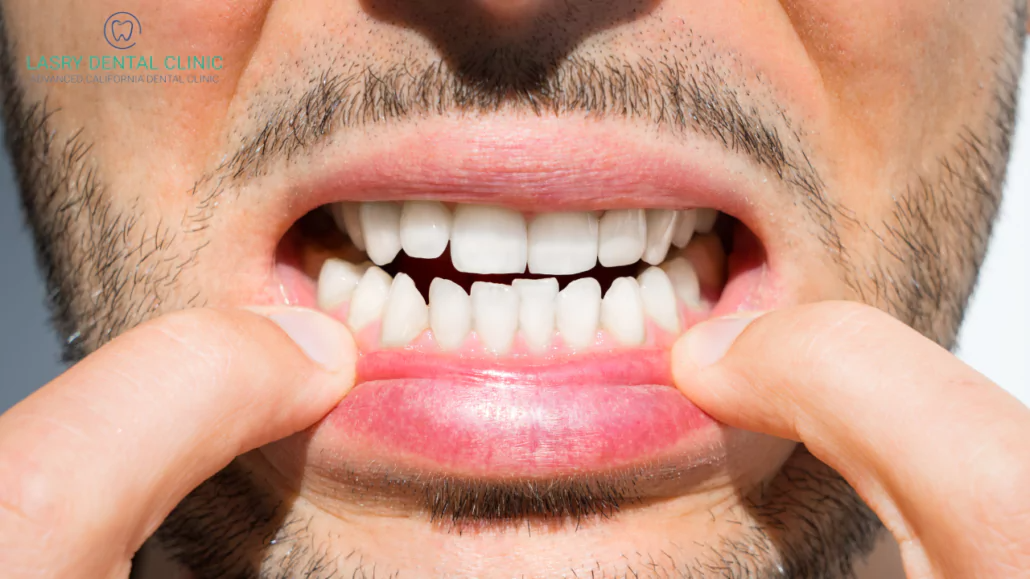
    Understanding deep bite issues is crucial when considering Invisalign for gap teeth. A deep bite occurs when the upper front teeth significantly overlap the lower front teeth, which can sometimes complicate the treatment of gap teeth. This dental condition can affect the overall alignment and function of your teeth, making it essential to address both the gaps and the bite simultaneously. By understanding how these issues interrelate, individuals can better appreciate the comprehensive approach needed to achieve a harmonious smile.

    For those exploring options like Invisalign for gap teeth, it’s important to recognize how deep bite issues might influence the treatment process. Addressing a deep bite can enhance the effectiveness of aligning gap teeth, ensuring that both aesthetic and functional aspects are considered. For more information on how alignment treatments can improve both function and form, you can explore Invisalign for Jaw Alignment: Improve Function and Form. Understanding these connections can lead to more informed decisions about dental health and alignment strategies.

    Benefits of Invisalign Treatment

    Invisalign for gap teeth offers a modern approach to achieving a more aligned smile without the need for traditional braces. One of the primary benefits of this treatment is its discreet nature, allowing individuals to undergo orthodontic adjustments without drawing attention to their dental work. The clear aligners are custom-made to fit snugly over the teeth, gradually shifting them into the desired position. This method not only helps in closing gaps but also enhances overall dental aesthetics, contributing to a boost in self-confidence.

    Another significant advantage of using Invisalign for gap teeth is the convenience it provides. The aligners are removable, making it easier to maintain oral hygiene and enjoy meals without restrictions. This flexibility ensures that individuals can continue their daily routines with minimal disruption. For those interested in exploring this option further, more information can be found through Invisalign Services Tacoma, which offers insights into how this treatment can seamlessly integrate into one’s lifestyle.

    How Invisalign Corrects Deep Bite

    Invisalign for gap teeth is not only effective in closing spaces between teeth but also plays a significant role in addressing deep bite issues. A deep bite occurs when the upper front teeth excessively overlap the lower front teeth, which can lead to various dental complications. Invisalign aligners work by gradually shifting the teeth into their optimal positions, thereby reducing the overlap and aligning the bite properly. This process helps in achieving a balanced bite while simultaneously addressing the gaps between teeth, offering a comprehensive approach to improving dental alignment and overall oral health.

    Invisalign vs. Traditional Braces

    When considering options for closing gap teeth, many people weigh the benefits of Invisalign against traditional braces. Invisalign offers a discreet and comfortable alternative, using clear aligners that are virtually invisible, making them a popular choice for those concerned about aesthetics.

    On the other hand, traditional braces are known for their effectiveness in treating a wide range of dental issues, including gap teeth, with their metal brackets and wires. Both methods have their unique advantages, and the choice often depends on personal preferences and specific dental needs. For those exploring Invisalign for gap teeth, it’s important to consider all factors before making a decision. If you’re in the area, you might want to learn more about the options available at Tacoma Dentist.

    Treatment Duration Expectations

    When considering options for closing gap teeth, understanding the typical treatment duration is essential. The time it takes to achieve desired results can vary significantly based on individual dental conditions and the specific alignment needs of each person. Generally, the process involves a series of stages that gradually adjust the position of the teeth, with progress monitored regularly to ensure optimal outcomes. While some individuals may notice changes in a few months, others might require a longer period to achieve the seamless closure of gaps. It’s important to have realistic expectations and be patient as the process unfolds, knowing that the duration is tailored to meet unique dental requirements.

    Invisalign Maintenance Tips

    Maintaining your aligners is crucial for achieving the best results with Invisalign for gap teeth. Proper care ensures that your aligners remain clear and effective throughout your treatment journey. Regular cleaning helps prevent discoloration and odor, keeping your aligners fresh and discreet. It’s important to handle them with care to avoid any damage that could affect their performance. By staying consistent with your maintenance routine, you can ensure that your Invisalign for gap teeth works efficiently, helping you achieve a seamless smile transformation.

    Cost Considerations for Invisalign

    When exploring the option of Invisalign for gap teeth, understanding the cost considerations is crucial. The price of Invisalign treatment can vary based on several factors, including the complexity of the dental issue and the duration of the treatment plan. While Invisalign is often seen as a premium choice for addressing gap teeth, it’s important to consider that costs may differ depending on geographic location and the specific needs of the patient. Additionally, some dental insurance plans might offer partial coverage for orthodontic treatments like Invisalign, which can influence the overall financial commitment. As you weigh your options, keeping these cost considerations in mind can help in making an informed decision about using Invisalign for gap teeth.

    Success Stories and Testimonials

    When it comes to using Invisalign for gap teeth, countless individuals have shared their inspiring success stories and testimonials. Many have experienced the seamless transformation of their smiles, expressing newfound confidence and satisfaction. These personal accounts highlight the effectiveness of Invisalign for gap teeth, showcasing how it has helped people achieve their desired dental aesthetics. From subtle changes to more noticeable improvements, the positive feedback from users underscores the potential impact of this treatment on one’s self-esteem and overall appearance.

    Choosing the Right Orthodontist

    When considering Invisalign for gap teeth, selecting the right orthodontist is a crucial step in your journey towards achieving a seamless smile. An experienced orthodontist can provide the expertise needed to address the unique challenges of gap teeth, ensuring that your treatment plan is tailored to your specific needs. With a focus on precision and care, the right professional will guide you through the process, helping you understand how Invisalign can effectively close gaps and enhance your dental aesthetics. As you explore your options, remember that the success of your Invisalign treatment is closely linked to the skill and knowledge of the orthodontist you choose.

    Conclusion

    Discover how Invisalign for gap teeth can transform your smile by seamlessly closing gaps. For more information, call 253-474-9473 or visit Proctor Braces to read reviews.

    Kickstart

    November 19, 2024
  • Self Ligating Braces vs Traditional Braces: A Comparison

    Self Ligating Braces vs Traditional Braces: A Comparison

    In the debate of self ligating braces vs traditional braces, self-ligating braces use a specialized clip instead of elastic bands to hold the wire in place, potentially offering a more comfortable experience, while traditional braces rely on elastic ties to secure the wire, which can require more frequent adjustments. Both options aim to effectively straighten teeth, but they differ in their mechanisms and maintenance requirements.

    Self Ligating Braces vs Traditional Braces

    When comparing self-ligating braces vs traditional braces, one of the primary distinctions lies in their design and mechanism. Traditional braces utilize elastic bands or metal ties to hold the archwire in place, which can create friction and pressure on the teeth. In contrast, self-ligating braces feature a specialized clip or bracket that secures the archwire without the need for additional ties. This design difference allows for a more streamlined appearance and can potentially reduce the number of adjustments needed during treatment.

    The mechanism of self-ligating braces vs traditional braces also impacts how they function. Traditional braces rely on the elastic bands to apply consistent pressure, which can sometimes lead to discomfort as the bands need regular tightening. Self-ligating braces, however, use a sliding mechanism that allows the archwire to move more freely, potentially offering a more comfortable experience. For those interested in exploring other orthodontic options, you might find the discussion on Fast Braces vs Traditional Braces: Speed or Comfort? insightful.

    Treatment Duration Comparison

    When considering orthodontic options, the duration of treatment is a significant factor for many individuals. Self-ligating braces are often highlighted for their potential to reduce treatment time compared to traditional braces. This is primarily due to their design, which allows for more efficient tooth movement. However, the actual duration can vary based on individual cases, including the complexity of the dental issues being addressed and the patient’s adherence to orthodontic guidelines.

    Traditional braces, on the other hand, have been a reliable choice for decades and are known for their effectiveness in treating a wide range of dental problems. While they may sometimes require a longer treatment period, they remain a popular option due to their proven track record. For those interested in exploring more about this option, visiting the Gig Harbor Traditional Braces page can provide additional insights into what to expect during the treatment process.

    Comfort and Pain Levels

    When considering self-ligating braces vs traditional braces, comfort and pain levels are often top of mind for individuals seeking orthodontic treatment. Self-ligating braces are designed with a specialized clip mechanism that eliminates the need for elastic bands, potentially reducing friction and pressure on the teeth. This design can lead to a more comfortable experience for some patients, as it may allow for smoother tooth movement. On the other hand, traditional braces use elastic bands to hold the archwire in place, which can sometimes result in increased pressure and discomfort, especially after adjustments. However, pain and comfort levels can vary significantly from person to person, depending on individual sensitivity and the specific orthodontic needs being addressed.

    Aesthetic Considerations

    When comparing self-ligating braces vs traditional braces, aesthetic considerations often play a significant role in the decision-making process. Self-ligating braces are generally smaller and less noticeable than traditional braces, which can be appealing to those concerned about the visual impact of orthodontic treatment. Traditional braces, on the other hand, are more visible due to their larger brackets and the use of elastic ties. This difference in appearance can influence a patient’s choice, especially for adults and teens who may prioritize a more discreet look. For those exploring orthodontic options in the area, Gig Harbor Orthodontics offers a range of treatments to suit various aesthetic preferences, as detailed on their Gig Harbor Dentist page.

    Cost Implications

    When considering self-ligating braces vs traditional braces, cost implications are a significant factor for many individuals. Generally, the overall cost can vary based on several factors, including the complexity of the dental issues being addressed and the duration of the treatment. Self-ligating braces may sometimes present a higher initial cost due to their advanced technology and design, which can potentially reduce the number of visits to the orthodontist.

    On the other hand, traditional braces might have a lower upfront cost but could require more frequent adjustments and maintenance appointments, potentially increasing the total expense over time. It’s essential to weigh these cost implications when deciding between self-ligating braces and traditional braces to ensure that the chosen option aligns with both budgetary considerations and orthodontic needs.

    Maintenance and Hygiene

    When considering self-ligating braces vs traditional braces, maintenance and hygiene are important factors to evaluate. Self-ligating braces are designed without elastic ties, which can make cleaning around the brackets easier compared to traditional braces that use elastics to hold the wire in place. This difference can impact how food particles and plaque accumulate, potentially affecting oral hygiene routines. Traditional braces may require more meticulous cleaning efforts to ensure that all areas around the brackets and wires are properly maintained. Understanding these distinctions can help in assessing the overall maintenance and hygiene requirements associated with each type of orthodontic treatment.

    Appointment Frequency

    When considering self-ligating braces vs traditional braces, one key difference lies in the frequency of orthodontic appointments. Traditional braces typically require more frequent visits to the orthodontist for adjustments, as the elastic ties that hold the wire in place need regular tightening. In contrast, self-ligating braces often necessitate fewer appointments because they use a specialized clip mechanism to hold the wire, which can reduce the need for constant manual adjustments. This difference in appointment frequency can be an important factor for individuals with busy schedules when choosing between self-ligating braces and traditional braces.

    Suitability for Complex Cases

    When considering self-ligating braces vs traditional braces, one important factor to evaluate is their suitability for complex orthodontic cases. Both types of braces have been effectively used to address a variety of dental issues, but their mechanisms differ, which can influence their application in more intricate scenarios. Traditional braces, with their elastic or metal ties, have been a longstanding choice for complex cases due to their robust ability to apply precise pressure on teeth.

    On the other hand, self-ligating braces, which use a specialized clip instead of ties, offer a different approach that some orthodontists find beneficial for certain complex alignments. The choice between self-ligating braces vs traditional braces often depends on the specific needs of the patient and the professional judgment of the orthodontist.

    Popularity and Patient Preference

    When considering self-ligating braces vs traditional braces, popularity and patient preference play significant roles in the decision-making process. Over recent years, self-ligating braces have gained attention due to their modern design and potential for a more comfortable experience, which some patients find appealing. On the other hand, traditional braces have a long-standing reputation and are often chosen for their proven effectiveness and familiarity. Patient preference can vary widely based on individual needs, lifestyle considerations, and aesthetic desires, making it essential to weigh the benefits of self-ligating braces vs traditional braces when exploring orthodontic options.

    Conclusion

    In the debate of self-ligating braces vs traditional braces, understanding the differences can help you make an informed decision; for more information, call 253-851-9473 or check out reviews on Google Maps.

    Kickstart

    November 19, 2024
  • Fast Braces vs Traditional Braces: Speed or Comfort?

    Fast Braces vs Traditional Braces: Speed or Comfort?

    When it comes to fast braces vs traditional braces, should you prioritize speed or comfort? Fast braces are designed to potentially shorten treatment time, while traditional braces have a long-standing reputation for reliability. Each option has its own set of advantages, making the choice between them a matter of personal preference and specific dental needs.

    Fast Braces vs Traditional Braces

    When considering orthodontic options, the treatment duration is a significant factor for many individuals. Fast braces vs traditional braces present distinct timelines for achieving desired results. Fast braces are often designed to expedite the alignment process, potentially reducing the overall treatment time compared to traditional braces. This accelerated approach can be appealing to those eager to see quicker results, although the exact duration can vary based on individual cases and specific dental needs.

    In contrast, traditional braces have been a longstanding method in orthodontics, typically requiring a longer commitment to achieve optimal alignment. The duration for traditional braces can extend over several years, depending on the complexity of the dental issues being addressed. Understanding these differences in treatment duration is crucial for anyone weighing their options. For more insights into orthodontic choices, you might find the article on Traditional Braces vs Invisalign Cost: What to Expect informative.

    Comfort Levels Analyzed

    When considering fast braces vs traditional braces, comfort is a significant factor that many individuals weigh heavily. Traditional braces have been around for decades and are known for their durability and effectiveness, but they can sometimes cause discomfort due to the metal brackets and wires. This discomfort can be more pronounced during adjustments, as the teeth are gradually moved into their new positions. On the other hand, fast braces are designed with a focus on reducing treatment time, which can also influence the level of comfort experienced by the wearer. The design and technology behind fast braces aim to minimize discomfort by applying gentle pressure over a shorter period.

    The choice between fast braces vs traditional braces often comes down to personal preference and tolerance for discomfort. Some people may find that the shorter treatment time of fast braces is worth any initial discomfort, while others may prefer the gradual adjustment process of traditional braces. Ultimately, the decision is highly individual and depends on various factors, including lifestyle and personal comfort levels. For those interested in exploring their options further, learning more about Braces in Gig Harbor can provide additional insights into what might be the best fit for their needs.

    Aesthetic Considerations

    When comparing fast braces vs traditional braces, aesthetic considerations often play a significant role in the decision-making process. Many individuals are concerned about how their orthodontic treatment will affect their appearance, especially in social or professional settings. Traditional braces are typically more noticeable due to their metal brackets and wires, which can be a concern for those seeking a more discreet option. On the other hand, fast braces may offer a less conspicuous appearance, depending on the specific design and materials used. Ultimately, the choice between fast braces vs traditional braces can be influenced by personal preferences regarding visibility and the overall impact on one’s smile during the treatment period.

    Cost Implications Overview

    When considering fast braces vs traditional braces, understanding the cost implications is crucial for making an informed decision. Generally, the cost of orthodontic treatment can vary significantly based on several factors, including the complexity of the dental issues being addressed, the duration of the treatment, and the specific orthodontic practice. Fast braces may offer a quicker treatment timeline, which could potentially influence the overall cost compared to traditional braces. However, it’s important to consider that each type of brace may have different associated costs, such as follow-up visits and adjustments. For those exploring their options in the Gig Harbor area, you can learn more about local orthodontic practices by visiting the Gig Harbor Dentist.

    Maintenance Requirements

    When considering fast braces vs traditional braces, understanding the maintenance requirements is crucial for anyone undergoing orthodontic treatment. Both types of braces necessitate regular cleaning to prevent plaque buildup and ensure oral health. Fast braces, known for their expedited treatment time, may require more frequent adjustments due to their accelerated nature. On the other hand, traditional braces, with their longer treatment duration, might involve a more extended commitment to maintenance routines. Regardless of the choice between fast braces vs traditional braces, maintaining a consistent oral hygiene routine is essential to achieving the desired results and ensuring the longevity of the treatment.

    Suitability for Different Ages

    When considering fast braces vs traditional braces, age can play a significant role in determining which option might be more suitable. Younger patients, such as children and teenagers, often have more malleable jawbones and teeth, which can make them more adaptable to various orthodontic treatments. On the other hand, adults may have different needs and concerns, such as aesthetics and treatment duration, which can influence their choice between fast braces and traditional braces. Each age group may experience different levels of comfort and speed in achieving desired results, making it important to consider these factors when exploring orthodontic options.

    Impact on Daily Life

    When considering fast braces vs traditional braces, it’s important to understand how each option can impact daily life. Fast braces are designed to reduce the time needed for orthodontic treatment, which may lead to fewer lifestyle disruptions and a quicker return to normal activities. On the other hand, traditional braces have been a long-standing choice, often requiring more frequent adjustments and a longer treatment period, which might affect daily routines and comfort levels. Both options have unique implications for how they integrate into everyday life, influencing everything from eating habits to oral hygiene practices.

    Long-term Results Evaluation

    When considering fast braces vs traditional braces, evaluating the long-term results is crucial for understanding their effectiveness in achieving desired dental outcomes. Both options aim to correct misalignments and improve oral health, but they may differ in how they maintain results over time. Fast braces are designed to expedite the alignment process, potentially offering quicker results, while traditional braces have a long-standing history of reliability. The choice between fast braces vs traditional braces often depends on individual needs and expectations regarding the durability and stability of the results. Understanding these differences can help in assessing which option aligns better with one’s long-term dental goals.

    Technological Advancements in Orthodontics

    In the evolving landscape of orthodontics, technological advancements have significantly influenced the debate of fast braces vs traditional braces. Innovations in materials and design have enhanced the efficiency and comfort of both options, allowing for more personalized treatment plans. These advancements have led to improved outcomes, with faster treatment times and increased comfort levels becoming more achievable. As technology continues to advance, the choice between fast braces and traditional braces becomes more nuanced, offering patients a range of options tailored to their specific needs and preferences.

    Conclusion

    In the debate of fast braces vs traditional braces, the choice ultimately depends on your personal priorities and needs. For more information, feel free to call us at 253-851-9473 or check out our Google Maps reviews.

    Kickstart

    November 19, 2024
  • Clear Braces vs Traditional Braces: Style vs Function

    Clear Braces vs Traditional Braces: Style vs Function

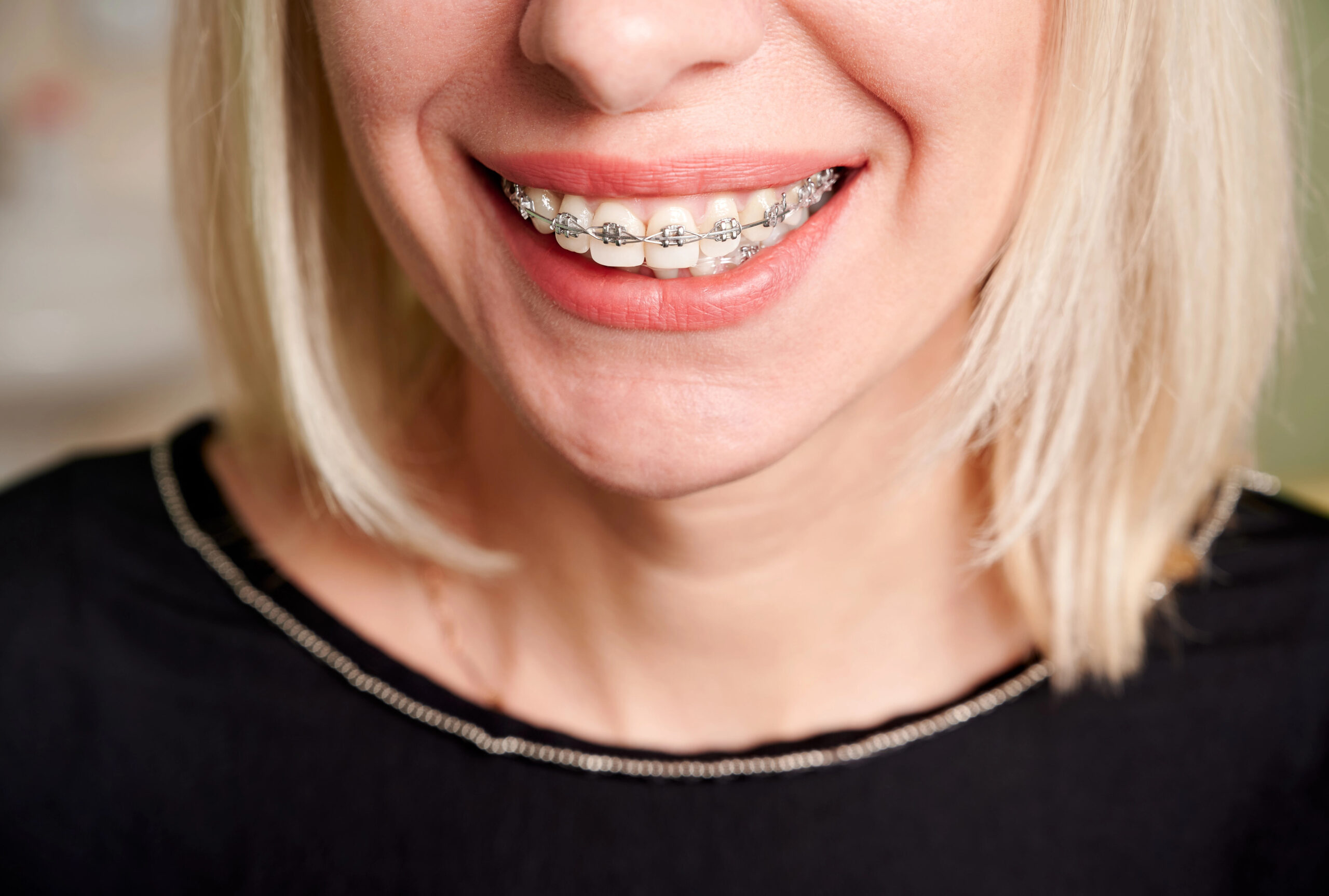
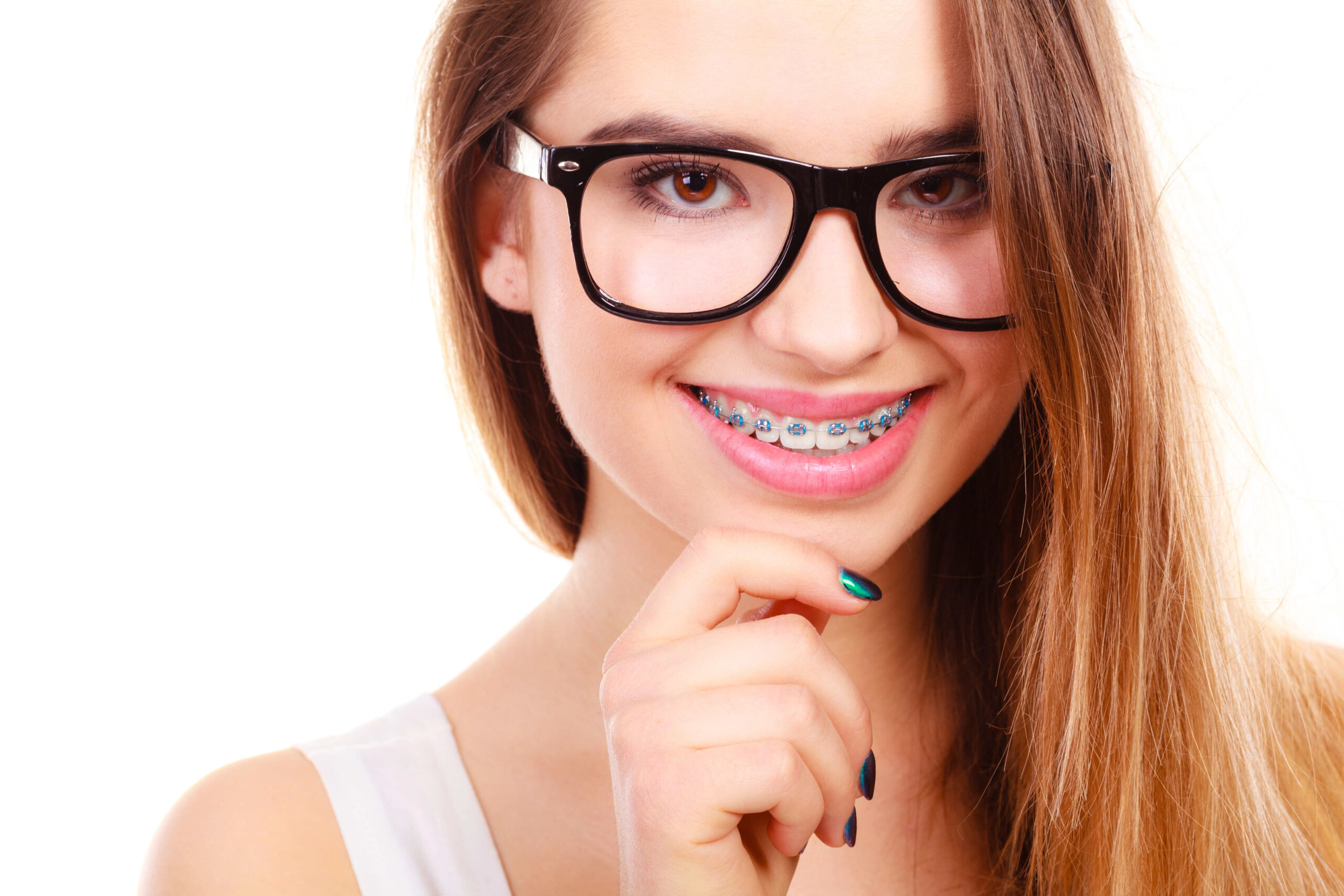
    Are you torn between clear braces vs traditional braces when considering style versus function? Clear braces offer a more discreet appearance, while traditional braces are known for their durability and effectiveness in correcting dental issues.

    Clear Braces vs Traditional

    When considering clear braces vs traditional options, it’s important to understand the benefits that traditional braces offer. Traditional braces have been a reliable choice for many individuals seeking orthodontic treatment. One of the primary advantages is their ability to address a wide range of dental issues, from simple misalignments to more complex bite problems. The robust design of traditional braces allows for precise adjustments, which can lead to effective and predictable results over time. This makes them a versatile option for those looking to achieve a straighter smile.

    Additionally, traditional braces are known for their durability and effectiveness in achieving long-term results. They are typically made from high-quality materials that can withstand the forces required to move teeth into their desired positions. This durability ensures that they remain effective throughout the treatment period. For those interested in exploring different orthodontic options, understanding the cost implications can be crucial. You might find it helpful to compare the Damon Braces Cost vs Traditional: Is It Worth It? to gain further insights into the financial aspects of choosing between clear braces vs traditional braces.

    Choosing the Right Orthodontist

    When considering clear braces vs traditional braces, selecting the right orthodontist is a crucial step in your journey to achieving a perfect smile. The expertise and experience of an orthodontist can significantly impact the outcome of your treatment, ensuring that your specific needs are met with precision and care. Whether you are leaning towards the subtlety of clear braces or the time-tested reliability of traditional braces, a qualified orthodontist will guide you through the process, helping you understand the benefits and limitations of each option.

    The decision between clear braces vs traditional braces often involves weighing style against function, and a knowledgeable orthodontist can provide valuable insights into which choice aligns best with your lifestyle and dental health goals. It’s important to find a professional who not only understands the technical aspects of orthodontic treatments but also prioritizes patient comfort and satisfaction. For those in the area, the Gig Harbor Braces Specialists offer a team of experienced professionals dedicated to providing personalized orthodontic care.

    Cost of Traditional Braces

    When considering orthodontic options, the cost of traditional braces is a significant factor in the clear braces vs traditional debate. Traditional braces, often made of metal, have been a staple in orthodontic treatment for decades and typically involve a comprehensive approach to aligning teeth. The cost can vary widely depending on factors such as the complexity of the dental issues being addressed, the duration of treatment, and geographic location. While traditional braces are generally considered more affordable than some modern alternatives, it’s important to weigh this against other considerations like aesthetics and comfort when comparing clear braces vs traditional options.

    Duration of Treatment Process

    When considering clear braces vs traditional braces, one of the key factors to evaluate is the duration of the treatment process. Typically, traditional braces are known for their effectiveness in treating complex dental issues, often requiring a treatment period ranging from 18 months to 3 years. On the other hand, clear braces, while aesthetically pleasing and less noticeable, may have a slightly longer treatment duration depending on the specific dental needs and the discipline of the wearer in maintaining them.

    It’s important to understand that the duration can vary significantly based on individual cases and orthodontic requirements. For those in the Gig Harbor area seeking more information on orthodontic options, visiting a Gig Harbor Dentist could provide further insights into the differences between clear braces and traditional braces.

    Maintenance and Care Tips

    When considering clear braces versus traditional braces, understanding the maintenance and care involved with each option is crucial. Both types of braces require regular cleaning to ensure optimal oral hygiene and to prevent any potential issues such as plaque buildup or staining. Clear braces, often made from ceramic or plastic materials, may demand more meticulous care to maintain their transparency and avoid discoloration. On the other hand, traditional metal braces are known for their durability but still require diligent cleaning to keep them in good condition. Regular check-ups with an orthodontist are essential for both types to monitor progress and make necessary adjustments, ensuring that the braces function effectively throughout the treatment period.

    Comparing Braces and Aligners

    When considering clear braces vs traditional braces, it’s essential to understand how they compare to aligners in terms of style and function. Clear braces, often made from ceramic materials, offer a more discreet appearance compared to the metal brackets of traditional braces, making them a popular choice for those conscious of aesthetics. On the other hand, aligners provide an almost invisible solution, as they are custom-made to fit snugly over the teeth.

    While traditional braces are known for their robust ability to correct complex dental issues, aligners offer the convenience of removability, allowing for easier maintenance of oral hygiene. Each option presents unique advantages, and the choice between clear braces vs traditional braces or aligners often depends on individual preferences and orthodontic needs.

    Understanding Orthodontic Consultations

    When considering clear braces vs traditional braces, understanding orthodontic consultations is a crucial step in the decision-making process. These consultations provide an opportunity to discuss individual dental needs and explore the differences between clear and traditional braces. During the consultation, an orthodontist evaluates the alignment of teeth and jaw, offering insights into how each type of brace can address specific orthodontic issues. This initial meeting is essential for gathering information about treatment options, timelines, and potential outcomes, helping individuals make informed choices about their orthodontic journey.

    Insurance and Payment Options

    When considering clear braces vs traditional braces, understanding the insurance and payment options available can be crucial in making an informed decision. Many dental insurance plans cover orthodontic treatments, but the extent of coverage can vary significantly between clear braces and traditional braces. It’s important to check with your insurance provider to determine what portion of the treatment costs will be covered under your plan. Additionally, various payment options, such as installment plans or financing through third-party providers, may be available to help manage the out-of-pocket expenses associated with both types of braces. This financial aspect can play a significant role in the decision-making process for those weighing the benefits of clear braces vs traditional options.

    Testimonials from Local Patients

    When considering the choice between clear braces vs traditional braces, hearing from local patients can provide valuable insights into their experiences and outcomes. Many individuals have shared their journeys, highlighting the aesthetic appeal and comfort of clear braces, while others emphasize the reliability and effectiveness of traditional braces in achieving their desired results. These personal stories reflect a diverse range of preferences and outcomes, offering a glimpse into how each option can cater to different needs and lifestyles. Whether prioritizing style or function, the testimonials from those who have undergone orthodontic treatment can be a helpful resource in understanding the real-world implications of choosing clear braces vs traditional braces.

    Conclusion

    In the debate of clear braces vs traditional, both options offer unique benefits; for more information, call us at 253-851-9473 or check out our Google Maps reviews.

    Kickstart

    November 19, 2024

Gig Harbor – Tacoma Orthodontics

Proudly making smiles brighter in the Washington area.

Contact Us

Contact

5334 Olympic Dr #201, Gig Harbor, WA 98335, United States

253-851-9473

Services

  • Early orthodontics

  • Invisalign

  • Invisalign teen

  • Orthodontic Consultations

  • Orthodontic Evaluations for Adults

  • Orthodontic Evaluations for Children and Teens

  • Orthodontics

  • Phase 1 Orthodontics

Hours

Hours vary by location—please contact us for details.

© 2026 Gig Harbor – Tacoma Orthodontics. Privacy Policy