Gig Harbor: 253-851-9473

Tacoma: 253-474-9473

Gig Harbor - Tacoma Orthodontics Logo
  • Home
  • About Us
    • Meet Our Team
    • Blog
  • Locations
    • Gig Harbor Orthodontics
    • Tacoma Orthodontics – Proctor Braces
  • Gig Harbor
    • Orthodontics
    • Traditional Braces
    • Invisalign
    • Invisalign Teen
    • Orthodontic Consultations
    • Orthodontic Evaluations for Children and Teens
    • Orthodontic Evaluations for Adults
    • Early Orthodontics
    • Phase 1 Orthodontics
    • Retainers
  • Tacoma – Proctor Braces
    • Orthodontics
    • Traditional Braces
    • Invisalign
    • Invisalign Teen
    • Orthodontic Consultations
    • Orthodontic Evaluations for Children and Teens
    • Orthodontic Evaluations for Adults
    • Early Orthodontics
    • Phase 1 Orthodontics
    • Retainers
  • New Patients
Contact Us
  • Self Ligating Braces vs Traditional Braces: A Comparison

    Self Ligating Braces vs Traditional Braces: A Comparison

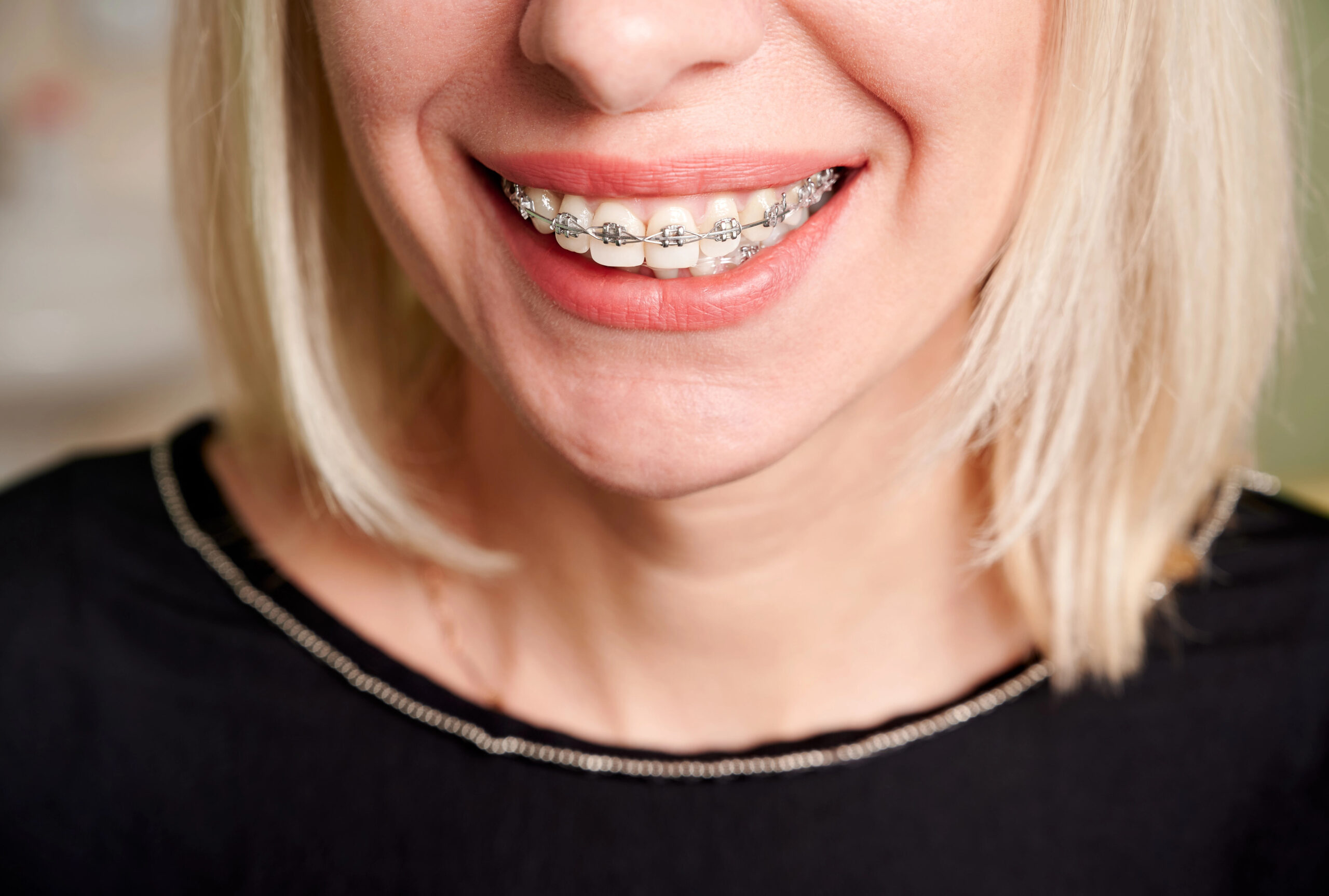
    In the debate of self ligating braces vs traditional braces, self-ligating braces use a specialized clip instead of elastic bands to hold the wire in place, potentially offering a more comfortable experience, while traditional braces rely on elastic ties to secure the wire, which can require more frequent adjustments. Both options aim to effectively straighten teeth, but they differ in their mechanisms and maintenance requirements.

    Self Ligating Braces vs Traditional Braces

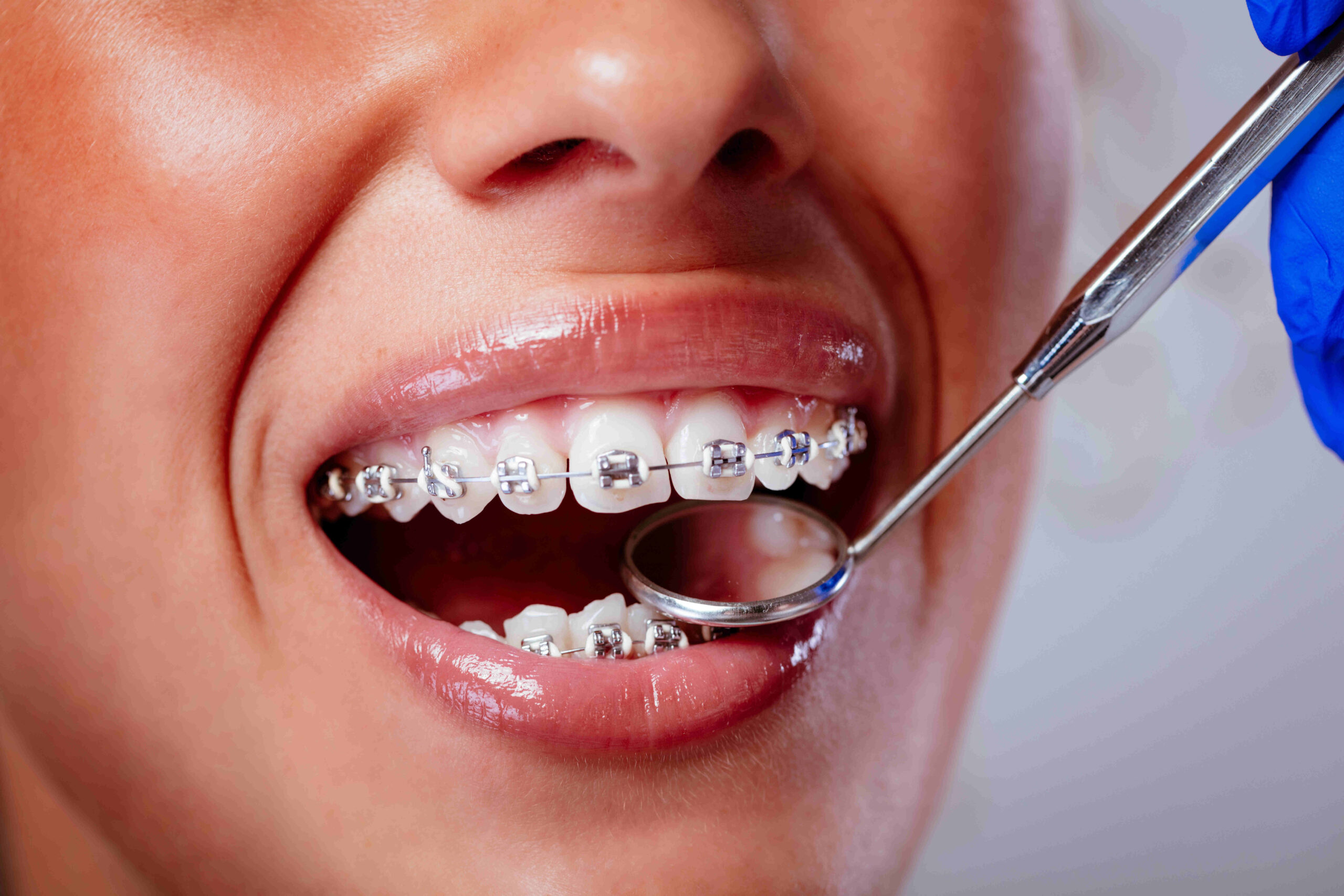
    When comparing self-ligating braces vs traditional braces, one of the primary distinctions lies in their design and mechanism. Traditional braces utilize elastic bands or metal ties to hold the archwire in place, which can create friction and pressure on the teeth. In contrast, self-ligating braces feature a specialized clip or bracket that secures the archwire without the need for additional ties. This design difference allows for a more streamlined appearance and can potentially reduce the number of adjustments needed during treatment.

    The mechanism of self-ligating braces vs traditional braces also impacts how they function. Traditional braces rely on the elastic bands to apply consistent pressure, which can sometimes lead to discomfort as the bands need regular tightening. Self-ligating braces, however, use a sliding mechanism that allows the archwire to move more freely, potentially offering a more comfortable experience. For those interested in exploring other orthodontic options, you might find the discussion on Fast Braces vs Traditional Braces: Speed or Comfort? insightful.

    Treatment Duration Comparison

    When considering orthodontic options, the duration of treatment is a significant factor for many individuals. Self-ligating braces are often highlighted for their potential to reduce treatment time compared to traditional braces. This is primarily due to their design, which allows for more efficient tooth movement. However, the actual duration can vary based on individual cases, including the complexity of the dental issues being addressed and the patient’s adherence to orthodontic guidelines.

    Traditional braces, on the other hand, have been a reliable choice for decades and are known for their effectiveness in treating a wide range of dental problems. While they may sometimes require a longer treatment period, they remain a popular option due to their proven track record. For those interested in exploring more about this option, visiting the Gig Harbor Traditional Braces page can provide additional insights into what to expect during the treatment process.

    Comfort and Pain Levels

    When considering self-ligating braces vs traditional braces, comfort and pain levels are often top of mind for individuals seeking orthodontic treatment. Self-ligating braces are designed with a specialized clip mechanism that eliminates the need for elastic bands, potentially reducing friction and pressure on the teeth. This design can lead to a more comfortable experience for some patients, as it may allow for smoother tooth movement. On the other hand, traditional braces use elastic bands to hold the archwire in place, which can sometimes result in increased pressure and discomfort, especially after adjustments. However, pain and comfort levels can vary significantly from person to person, depending on individual sensitivity and the specific orthodontic needs being addressed.

    Aesthetic Considerations

    When comparing self-ligating braces vs traditional braces, aesthetic considerations often play a significant role in the decision-making process. Self-ligating braces are generally smaller and less noticeable than traditional braces, which can be appealing to those concerned about the visual impact of orthodontic treatment. Traditional braces, on the other hand, are more visible due to their larger brackets and the use of elastic ties. This difference in appearance can influence a patient’s choice, especially for adults and teens who may prioritize a more discreet look. For those exploring orthodontic options in the area, Gig Harbor Orthodontics offers a range of treatments to suit various aesthetic preferences, as detailed on their Gig Harbor Dentist page.

    Cost Implications

    When considering self-ligating braces vs traditional braces, cost implications are a significant factor for many individuals. Generally, the overall cost can vary based on several factors, including the complexity of the dental issues being addressed and the duration of the treatment. Self-ligating braces may sometimes present a higher initial cost due to their advanced technology and design, which can potentially reduce the number of visits to the orthodontist.

    On the other hand, traditional braces might have a lower upfront cost but could require more frequent adjustments and maintenance appointments, potentially increasing the total expense over time. It’s essential to weigh these cost implications when deciding between self-ligating braces and traditional braces to ensure that the chosen option aligns with both budgetary considerations and orthodontic needs.

    Maintenance and Hygiene

    When considering self-ligating braces vs traditional braces, maintenance and hygiene are important factors to evaluate. Self-ligating braces are designed without elastic ties, which can make cleaning around the brackets easier compared to traditional braces that use elastics to hold the wire in place. This difference can impact how food particles and plaque accumulate, potentially affecting oral hygiene routines. Traditional braces may require more meticulous cleaning efforts to ensure that all areas around the brackets and wires are properly maintained. Understanding these distinctions can help in assessing the overall maintenance and hygiene requirements associated with each type of orthodontic treatment.

    Appointment Frequency

    When considering self-ligating braces vs traditional braces, one key difference lies in the frequency of orthodontic appointments. Traditional braces typically require more frequent visits to the orthodontist for adjustments, as the elastic ties that hold the wire in place need regular tightening. In contrast, self-ligating braces often necessitate fewer appointments because they use a specialized clip mechanism to hold the wire, which can reduce the need for constant manual adjustments. This difference in appointment frequency can be an important factor for individuals with busy schedules when choosing between self-ligating braces and traditional braces.

    Suitability for Complex Cases

    When considering self-ligating braces vs traditional braces, one important factor to evaluate is their suitability for complex orthodontic cases. Both types of braces have been effectively used to address a variety of dental issues, but their mechanisms differ, which can influence their application in more intricate scenarios. Traditional braces, with their elastic or metal ties, have been a longstanding choice for complex cases due to their robust ability to apply precise pressure on teeth.

    On the other hand, self-ligating braces, which use a specialized clip instead of ties, offer a different approach that some orthodontists find beneficial for certain complex alignments. The choice between self-ligating braces vs traditional braces often depends on the specific needs of the patient and the professional judgment of the orthodontist.

    Popularity and Patient Preference

    When considering self-ligating braces vs traditional braces, popularity and patient preference play significant roles in the decision-making process. Over recent years, self-ligating braces have gained attention due to their modern design and potential for a more comfortable experience, which some patients find appealing. On the other hand, traditional braces have a long-standing reputation and are often chosen for their proven effectiveness and familiarity. Patient preference can vary widely based on individual needs, lifestyle considerations, and aesthetic desires, making it essential to weigh the benefits of self-ligating braces vs traditional braces when exploring orthodontic options.

    Conclusion

    In the debate of self-ligating braces vs traditional braces, understanding the differences can help you make an informed decision; for more information, call 253-851-9473 or check out reviews on Google Maps.

    Kickstart

    November 19, 2024
  • Fast Braces vs Traditional Braces: Speed or Comfort?

    Fast Braces vs Traditional Braces: Speed or Comfort?

    When it comes to fast braces vs traditional braces, should you prioritize speed or comfort? Fast braces are designed to potentially shorten treatment time, while traditional braces have a long-standing reputation for reliability. Each option has its own set of advantages, making the choice between them a matter of personal preference and specific dental needs.

    Fast Braces vs Traditional Braces

    When considering orthodontic options, the treatment duration is a significant factor for many individuals. Fast braces vs traditional braces present distinct timelines for achieving desired results. Fast braces are often designed to expedite the alignment process, potentially reducing the overall treatment time compared to traditional braces. This accelerated approach can be appealing to those eager to see quicker results, although the exact duration can vary based on individual cases and specific dental needs.

    In contrast, traditional braces have been a longstanding method in orthodontics, typically requiring a longer commitment to achieve optimal alignment. The duration for traditional braces can extend over several years, depending on the complexity of the dental issues being addressed. Understanding these differences in treatment duration is crucial for anyone weighing their options. For more insights into orthodontic choices, you might find the article on Traditional Braces vs Invisalign Cost: What to Expect informative.

    Comfort Levels Analyzed

    When considering fast braces vs traditional braces, comfort is a significant factor that many individuals weigh heavily. Traditional braces have been around for decades and are known for their durability and effectiveness, but they can sometimes cause discomfort due to the metal brackets and wires. This discomfort can be more pronounced during adjustments, as the teeth are gradually moved into their new positions. On the other hand, fast braces are designed with a focus on reducing treatment time, which can also influence the level of comfort experienced by the wearer. The design and technology behind fast braces aim to minimize discomfort by applying gentle pressure over a shorter period.

    The choice between fast braces vs traditional braces often comes down to personal preference and tolerance for discomfort. Some people may find that the shorter treatment time of fast braces is worth any initial discomfort, while others may prefer the gradual adjustment process of traditional braces. Ultimately, the decision is highly individual and depends on various factors, including lifestyle and personal comfort levels. For those interested in exploring their options further, learning more about Braces in Gig Harbor can provide additional insights into what might be the best fit for their needs.

    Aesthetic Considerations

    When comparing fast braces vs traditional braces, aesthetic considerations often play a significant role in the decision-making process. Many individuals are concerned about how their orthodontic treatment will affect their appearance, especially in social or professional settings. Traditional braces are typically more noticeable due to their metal brackets and wires, which can be a concern for those seeking a more discreet option. On the other hand, fast braces may offer a less conspicuous appearance, depending on the specific design and materials used. Ultimately, the choice between fast braces vs traditional braces can be influenced by personal preferences regarding visibility and the overall impact on one’s smile during the treatment period.

    Cost Implications Overview

    When considering fast braces vs traditional braces, understanding the cost implications is crucial for making an informed decision. Generally, the cost of orthodontic treatment can vary significantly based on several factors, including the complexity of the dental issues being addressed, the duration of the treatment, and the specific orthodontic practice. Fast braces may offer a quicker treatment timeline, which could potentially influence the overall cost compared to traditional braces. However, it’s important to consider that each type of brace may have different associated costs, such as follow-up visits and adjustments. For those exploring their options in the Gig Harbor area, you can learn more about local orthodontic practices by visiting the Gig Harbor Dentist.

    Maintenance Requirements

    When considering fast braces vs traditional braces, understanding the maintenance requirements is crucial for anyone undergoing orthodontic treatment. Both types of braces necessitate regular cleaning to prevent plaque buildup and ensure oral health. Fast braces, known for their expedited treatment time, may require more frequent adjustments due to their accelerated nature. On the other hand, traditional braces, with their longer treatment duration, might involve a more extended commitment to maintenance routines. Regardless of the choice between fast braces vs traditional braces, maintaining a consistent oral hygiene routine is essential to achieving the desired results and ensuring the longevity of the treatment.

    Suitability for Different Ages

    When considering fast braces vs traditional braces, age can play a significant role in determining which option might be more suitable. Younger patients, such as children and teenagers, often have more malleable jawbones and teeth, which can make them more adaptable to various orthodontic treatments. On the other hand, adults may have different needs and concerns, such as aesthetics and treatment duration, which can influence their choice between fast braces and traditional braces. Each age group may experience different levels of comfort and speed in achieving desired results, making it important to consider these factors when exploring orthodontic options.

    Impact on Daily Life

    When considering fast braces vs traditional braces, it’s important to understand how each option can impact daily life. Fast braces are designed to reduce the time needed for orthodontic treatment, which may lead to fewer lifestyle disruptions and a quicker return to normal activities. On the other hand, traditional braces have been a long-standing choice, often requiring more frequent adjustments and a longer treatment period, which might affect daily routines and comfort levels. Both options have unique implications for how they integrate into everyday life, influencing everything from eating habits to oral hygiene practices.

    Long-term Results Evaluation

    When considering fast braces vs traditional braces, evaluating the long-term results is crucial for understanding their effectiveness in achieving desired dental outcomes. Both options aim to correct misalignments and improve oral health, but they may differ in how they maintain results over time. Fast braces are designed to expedite the alignment process, potentially offering quicker results, while traditional braces have a long-standing history of reliability. The choice between fast braces vs traditional braces often depends on individual needs and expectations regarding the durability and stability of the results. Understanding these differences can help in assessing which option aligns better with one’s long-term dental goals.

    Technological Advancements in Orthodontics

    In the evolving landscape of orthodontics, technological advancements have significantly influenced the debate of fast braces vs traditional braces. Innovations in materials and design have enhanced the efficiency and comfort of both options, allowing for more personalized treatment plans. These advancements have led to improved outcomes, with faster treatment times and increased comfort levels becoming more achievable. As technology continues to advance, the choice between fast braces and traditional braces becomes more nuanced, offering patients a range of options tailored to their specific needs and preferences.

    Conclusion

    In the debate of fast braces vs traditional braces, the choice ultimately depends on your personal priorities and needs. For more information, feel free to call us at 253-851-9473 or check out our Google Maps reviews.

    Kickstart

    November 19, 2024
  • Traditional Braces vs Invisalign Cost: What to Expect

    Traditional Braces vs Invisalign Cost: What to Expect

    Are you curious about the traditional braces vs Invisalign cost and what to expect when considering orthodontic treatment? Generally, traditional braces tend to have a more predictable pricing structure, while Invisalign costs can vary based on individual needs and treatment complexity. Understanding these differences can help you anticipate the financial commitment involved in achieving your desired smile.

    Traditional Braces vs Invisalign Cost

    When considering orthodontic treatment, understanding the initial consultation fees is an essential part of evaluating the traditional braces vs Invisalign cost. Typically, the initial consultation involves a comprehensive examination of your dental structure, which may include X-rays, photographs, and a detailed discussion with an orthodontist about your treatment options. These consultations are crucial for determining the most suitable treatment plan tailored to your specific needs, and they can vary in cost depending on the provider and location.

    The initial consultation fee is a separate expense from the overall treatment cost and is an important factor to consider when comparing traditional braces vs Invisalign costs. This fee ensures that you receive a thorough assessment and a personalized treatment plan. For more insights into different orthodontic options, you might find the article Lingual Braces vs Traditional Braces: Pros and Cons helpful in broadening your understanding of available treatments.

    Treatment Duration Impact

    When considering the traditional braces vs Invisalign cost, it’s important to understand how treatment duration can impact overall expenses. Traditional braces often require a longer treatment period, which can influence the total cost due to more frequent visits to the orthodontist for adjustments and maintenance. This extended timeline may also affect lifestyle and dietary choices, as individuals need to adapt to the presence of braces over a longer period.

    In contrast, Invisalign typically offers a shorter treatment duration, which can be appealing for those looking to minimize the time spent undergoing orthodontic care. However, the shorter timeline might not always translate to lower costs, as the complexity of the dental issues being addressed can also play a significant role in determining the final expense. For those interested in exploring their options, learning more about Traditional Braces Near Gig Harbor can provide valuable insights into what to expect in terms of treatment duration and cost.

    Material and Manufacturing Costs

    When considering the traditional braces vs Invisalign cost, it’s important to understand how material and manufacturing costs play a role in the overall pricing. Traditional braces typically involve metal brackets and wires, which are mass-produced and have been used for decades, potentially leading to lower production costs. On the other hand, Invisalign aligners are custom-made using advanced 3D printing technology and specialized materials, which can contribute to higher manufacturing expenses. These differences in production processes and materials are key factors that influence the cost comparison between traditional braces and Invisalign.

    Follow-up Appointment Expenses

    When considering the traditional braces vs Invisalign cost, it’s important to factor in the expenses associated with follow-up appointments. Both treatment options require regular visits to the orthodontist to monitor progress and make necessary adjustments. These appointments can vary in frequency and duration, potentially impacting the overall cost of your orthodontic treatment. Understanding these additional expenses is crucial for budgeting and planning your orthodontic journey. For those in the Gig Harbor area, you can find more information about local orthodontic services at Gig Harbor Dentist.

    Insurance Coverage Variations

    When considering the cost of orthodontic treatments, it’s important to understand that insurance coverage can vary significantly. Some insurance plans may cover a portion of the expenses, while others might not offer any coverage at all. The extent of coverage often depends on the specifics of the insurance policy, including whether orthodontic treatment is deemed medically necessary or considered a cosmetic procedure. Additionally, coverage limits, deductibles, and co-pays can influence the out-of-pocket costs for patients. It’s crucial to review your insurance policy carefully to determine what is covered and to what extent, as this can impact the overall financial commitment required for orthodontic care.

    Payment Plan Options

    When considering the traditional braces vs Invisalign cost, it’s important to explore the various payment plan options available to make orthodontic treatment more manageable. Many dental practices offer flexible payment plans that can help spread the cost over time, making it easier to budget for either traditional braces or Invisalign. These plans often include monthly installments, which can alleviate the financial burden of paying the full amount upfront. By understanding the payment plan options, individuals can make informed decisions about their orthodontic care without feeling overwhelmed by the immediate financial commitment.

    Retainer Costs Post-Treatment

    When considering the traditional braces vs Invisalign cost, it’s important to factor in the expenses associated with retainers post-treatment. Retainers are a crucial component in maintaining the results achieved after orthodontic treatment, whether you choose traditional braces or Invisalign. The cost of retainers can vary based on the type and material, and they are typically an additional expense beyond the initial treatment. Understanding these costs is essential for a comprehensive view of the financial commitment involved in orthodontic care.

    Geographic Price Differences

    When considering the traditional braces vs Invisalign cost, it’s important to recognize that prices can vary significantly based on geographic location. In urban areas or regions with a higher cost of living, you might find that both traditional braces and Invisalign tend to be more expensive compared to rural areas. This variation is often due to differences in overhead costs, such as rent and utilities, which can influence the overall pricing of orthodontic treatments. Additionally, the availability of orthodontic specialists and the level of demand in a particular area can also impact the cost. Understanding these geographic price differences is crucial when budgeting for orthodontic care.

    Orthodontist Experience Influence

    When considering the traditional braces vs Invisalign cost, the experience of the orthodontist can play a significant role in determining the overall expense. An orthodontist with extensive experience and a well-established reputation may charge higher fees due to their expertise and the quality of care they provide. This can impact the cost of both traditional braces and Invisalign treatments. The orthodontist’s proficiency in handling complex cases and their familiarity with the latest techniques can influence the treatment plan and duration, which in turn affects the total cost. Therefore, when evaluating the traditional braces vs Invisalign cost, it’s important to consider how the orthodontist’s experience might influence the financial aspect of your orthodontic journey.

    Conclusion

    Understanding the traditional braces vs Invisalign cost can help you make an informed decision about your orthodontic journey. For more information, feel free to call 253-851-9473 or check out the reviews on Google Maps.

    Kickstart

    November 19, 2024
  • Lingual Braces vs Traditional Braces: Pros and Cons

    Lingual Braces vs Traditional Braces: Pros and Cons

    Are you curious about the differences between lingual braces vs traditional braces and their respective pros and cons? Lingual braces are hidden behind the teeth, offering a discreet option, while traditional braces are more visible but often more affordable. Each type has its own set of advantages and drawbacks, making the choice dependent on individual preferences and needs.

    Lingual Braces vs Traditional Braces: Aesthetic Differences

    When considering lingual braces vs traditional braces, one of the most significant factors is their aesthetic impact. Lingual braces are designed to be placed on the back side of the teeth, making them virtually invisible from the front. This discreet positioning appeals to individuals who prefer a more subtle approach to orthodontic treatment. In contrast, traditional braces are affixed to the front of the teeth, making them more noticeable when you smile or speak. The visibility of traditional braces can be a concern for those who are conscious about their appearance during the treatment process.

    The choice between lingual braces vs traditional braces often hinges on personal preference regarding visibility. While some people embrace the classic look of traditional braces, others may opt for the hidden nature of lingual braces to maintain a more natural appearance. Both options have their unique aesthetic considerations, which can influence a person’s decision based on their lifestyle and comfort level with visible orthodontic appliances. For those interested in exploring their options further, you can Find Traditional Braces Near Me: Local Orthodontists to discuss which type of braces might suit your needs best.

    Comfort Levels

    When considering lingual braces vs traditional braces, comfort is a significant factor for many individuals. Lingual braces are placed on the back of the teeth, which can initially cause discomfort as the tongue adjusts to their presence. This positioning may lead to temporary speech difficulties and irritation. On the other hand, traditional braces are affixed to the front of the teeth, which might be more familiar to those who have seen others with braces. However, they can also cause discomfort due to the brackets and wires rubbing against the inner cheeks and lips.

    The comfort levels between lingual braces and traditional braces can vary greatly depending on personal preferences and individual oral structures. Some people may find that they adapt quickly to one type over the other, while others may experience prolonged discomfort. For those interested in exploring their options further, visiting a local orthodontist can provide more personalized insights. To learn more about traditional braces, you can visit our page on Gig Harbor Orthodontic Braces.

    Speech Impact

    When considering lingual braces vs traditional braces, one important factor to evaluate is their impact on speech. Lingual braces, which are placed on the inner side of the teeth, may initially cause more noticeable speech difficulties compared to traditional braces. This is because the tongue comes into contact with the brackets and wires, potentially affecting pronunciation and clarity. On the other hand, traditional braces, positioned on the front of the teeth, might have a less pronounced effect on speech since they do not interfere as directly with tongue movement. However, both types of braces typically require an adjustment period during which any speech impediments tend to diminish as individuals become accustomed to their presence.

    Cost Comparison

    When considering lingual braces vs traditional braces, the cost is a significant factor for many individuals. Lingual braces, which are placed on the back of the teeth, tend to be more expensive due to their custom design and the specialized skills required for installation. On the other hand, traditional braces, which are affixed to the front of the teeth, are generally more affordable and widely available. The price difference can be attributed to the complexity and time involved in fitting lingual braces compared to the more straightforward process of traditional braces. For those exploring orthodontic options in the area, Gig Harbor Orthodontics offers insights into various treatments; learn more by visiting Gig Harbor Dentist.

    Treatment Duration

    When considering lingual braces vs traditional braces, treatment duration is a key factor that often influences decision-making. Generally, the time required to achieve desired results can vary based on individual dental needs and the complexity of the case. Lingual braces, which are placed on the back of the teeth, may sometimes require a longer treatment period compared to traditional braces due to their unique positioning and the intricate adjustments needed.

    On the other hand, traditional braces, which are affixed to the front of the teeth, have been used for decades and typically offer a more predictable timeline for treatment. However, it’s important to note that the actual duration for either option will depend on various factors, including the specific orthodontic issues being addressed and the patient’s adherence to treatment protocols.

    Maintenance Requirements

    When considering lingual braces vs traditional braces, understanding the maintenance requirements for each option is crucial. Lingual braces, which are placed on the back of the teeth, can be more challenging to clean due to their positioning. This may require more meticulous oral hygiene practices to prevent plaque buildup and ensure effective cleaning. On the other hand, traditional braces, with brackets and wires on the front of the teeth, are more visible and may be easier to clean with standard brushing and flossing techniques. Both types of braces necessitate regular dental check-ups to monitor progress and make necessary adjustments, ensuring that the teeth are moving as planned.

    Eating Restrictions

    When considering lingual braces vs traditional braces, it’s important to understand the eating restrictions associated with each option. Both types of braces require some dietary adjustments to prevent damage and ensure effective treatment. With traditional braces, foods that are hard, sticky, or chewy can pose a risk to the brackets and wires, potentially leading to breakage or misalignment. Lingual braces, which are placed on the back of the teeth, also necessitate caution with similar types of foods, as they can be equally susceptible to damage. Regardless of the choice between lingual braces vs traditional braces, maintaining a mindful approach to eating can help in achieving the desired orthodontic results.

    Visibility Concerns

    When considering lingual braces vs traditional braces, one of the primary factors that often comes into play is visibility. Traditional braces are typically more noticeable as they are affixed to the front of the teeth, making them visible when you smile or speak. In contrast, lingual braces are placed on the back of the teeth, offering a more discreet option for those concerned about the appearance of metal brackets. This difference in placement can significantly impact a person’s comfort level with their orthodontic treatment, especially in social or professional settings where discretion might be preferred.

    Suitability for Complex Cases

    When considering lingual braces vs traditional braces, it’s important to understand their suitability for complex orthodontic cases. Lingual braces, which are placed on the inside of the teeth, can be effective for certain intricate dental issues, but their application may be limited by the specific nature of the misalignment. Traditional braces, on the other hand, are often preferred for more severe or complex cases due to their versatility and ability to exert greater control over tooth movement. The choice between lingual braces vs traditional braces ultimately depends on the unique requirements of the individual’s dental structure and the complexity of the case at hand.

    Conclusion

    In the debate of lingual braces vs traditional braces, understanding the pros and cons of each can help you make an informed decision; for more information, call 253-851-9473 or check out the reviews on Google Maps.

    Kickstart

    November 19, 2024
  • Find Traditional Braces Near Me: Local Orthodontists

    Find Traditional Braces Near Me: Local Orthodontists

    Are you searching for “traditional braces near me” to enhance your smile? Local orthodontists offer a range of options to help align your teeth, providing personalized care tailored to your needs.

    Traditional Braces Near Me

    When searching for traditional braces near me, it’s essential to understand the qualifications of the orthodontists in your area. Orthodontists undergo extensive education and training to specialize in diagnosing, preventing, and correcting misaligned teeth and jaws. Typically, they complete dental school followed by a specialized orthodontic residency program. This rigorous training ensures that they are well-equipped to provide effective orthodontic care. By understanding these qualifications, you can feel more confident in the expertise of the professionals you choose to consult.

    In addition to their educational background, orthodontists often pursue certifications and memberships in professional organizations, which further demonstrate their commitment to maintaining high standards in their practice. These credentials can be an important factor when considering your options for traditional braces near me. For more insights into the differences between various types of braces, you might find the comparison in our article on Clear Braces vs Traditional Braces: Style vs Function helpful. Understanding these distinctions can aid in making informed decisions about your orthodontic care.

    Importance of Initial Consultations

    When searching for traditional braces near me, the initial consultation with a local orthodontist plays a crucial role in your orthodontic journey. This first meeting allows both the patient and the orthodontist to discuss specific needs and expectations. It provides an opportunity to evaluate the current dental condition and explore potential treatment options. Understanding the importance of this consultation can help set the stage for a successful orthodontic experience.

    Moreover, an initial consultation is essential for building a rapport between the patient and the orthodontist. This relationship is vital for ensuring open communication throughout the treatment process. By attending this preliminary meeting, patients can gain a clearer understanding of what to expect, which can alleviate any concerns or uncertainties. For those looking to start their journey, you can Find Traditional Braces Gig Harbor by visiting our dedicated page.

    Comparing Treatment Options

    When searching for “traditional braces near me,” it’s important to consider the various orthodontic treatment options available. Traditional braces have been a reliable choice for many individuals seeking to correct dental alignment issues. However, there are other alternatives that might be offered by local orthodontists, each with its own set of benefits and considerations. By exploring these options, you can gain a better understanding of what might suit your needs and preferences. Whether you’re interested in the time-tested effectiveness of traditional braces or curious about newer methods, comparing treatment options can help you make an informed decision about your orthodontic journey.

    Evaluating Office Locations

    When searching for “traditional braces near me,” it’s essential to consider the convenience and accessibility of the orthodontist’s office location. Proximity to your home, work, or school can significantly impact your overall experience, making it easier to attend regular appointments without disrupting your daily routine. Additionally, evaluating the surrounding area for parking availability and public transportation options can further enhance your visit. For those in the Gig Harbor area, you might find the Gig Harbor Dentist to be a convenient choice for your orthodontic needs.

    Assessing Clinic Atmosphere

    When searching for “traditional braces near me,” the atmosphere of a clinic can play a significant role in your decision-making process. A welcoming and comfortable environment can make visits more pleasant and reduce anxiety, especially for younger patients. The ambiance of an orthodontic office often reflects the professionalism and care provided by the staff, contributing to an overall positive experience. Whether it’s the decor, the friendliness of the team, or the general vibe of the place, assessing the clinic atmosphere is an essential aspect when considering where to get traditional braces.

    Considering Appointment Availability

    When searching for “traditional braces near me,” it’s important to consider the availability of appointments with local orthodontists. The demand for orthodontic services can vary, and understanding the scheduling options can help in planning your visits. Local orthodontists may have different appointment slots, and knowing their availability can be crucial in aligning your schedule with theirs. This consideration ensures that you can access the care you need without unnecessary delays, making the process of finding traditional braces near me more efficient and convenient.

    Exploring Payment Plans

    When searching for “traditional braces near me,” it’s important to consider the various payment plans that local orthodontists may offer. Understanding the financial options available can make the process of getting traditional braces more manageable. Many orthodontic practices provide flexible payment plans to accommodate different budgets, allowing patients to spread the cost over time. By exploring these options, individuals can find a plan that aligns with their financial situation, making the journey to a healthier smile more accessible.

    Reviewing Patient Testimonials

    When searching for “traditional braces near me,” one valuable resource to consider is patient testimonials. These firsthand accounts provide insights into the experiences of others who have undergone orthodontic treatment in your area. By reading reviews, you can gain a better understanding of the quality of care provided by local orthodontists and the overall satisfaction of their patients. Testimonials often highlight aspects such as the professionalism of the staff, the comfort of the treatment process, and the results achieved, helping you make a more informed decision when choosing an orthodontist for traditional braces.

    Investigating Follow-Up Care

    When searching for “traditional braces near me,” it’s essential to consider the importance of follow-up care in your orthodontic journey. Follow-up care plays a crucial role in ensuring the effectiveness and longevity of your treatment. Regular visits to a local orthodontist can help monitor the progress of your braces, making necessary adjustments to align your teeth properly. These appointments are vital for maintaining oral health and ensuring that the braces are functioning as intended. By understanding the significance of follow-up care, you can make informed decisions when choosing an orthodontist in your area.

    Conclusion

    Finding the right fit for traditional braces near me is just a call away; dial 253-851-9473 or explore local orthodontist reviews on Google Maps.

    Kickstart

    November 19, 2024
  • Clear Braces vs Traditional Braces: Style vs Function

    Clear Braces vs Traditional Braces: Style vs Function

    Are you torn between clear braces vs traditional braces when considering style versus function? Clear braces offer a more discreet appearance, while traditional braces are known for their durability and effectiveness in correcting dental issues.

    Clear Braces vs Traditional

    When considering clear braces vs traditional options, it’s important to understand the benefits that traditional braces offer. Traditional braces have been a reliable choice for many individuals seeking orthodontic treatment. One of the primary advantages is their ability to address a wide range of dental issues, from simple misalignments to more complex bite problems. The robust design of traditional braces allows for precise adjustments, which can lead to effective and predictable results over time. This makes them a versatile option for those looking to achieve a straighter smile.

    Additionally, traditional braces are known for their durability and effectiveness in achieving long-term results. They are typically made from high-quality materials that can withstand the forces required to move teeth into their desired positions. This durability ensures that they remain effective throughout the treatment period. For those interested in exploring different orthodontic options, understanding the cost implications can be crucial. You might find it helpful to compare the Damon Braces Cost vs Traditional: Is It Worth It? to gain further insights into the financial aspects of choosing between clear braces vs traditional braces.

    Choosing the Right Orthodontist

    When considering clear braces vs traditional braces, selecting the right orthodontist is a crucial step in your journey to achieving a perfect smile. The expertise and experience of an orthodontist can significantly impact the outcome of your treatment, ensuring that your specific needs are met with precision and care. Whether you are leaning towards the subtlety of clear braces or the time-tested reliability of traditional braces, a qualified orthodontist will guide you through the process, helping you understand the benefits and limitations of each option.

    The decision between clear braces vs traditional braces often involves weighing style against function, and a knowledgeable orthodontist can provide valuable insights into which choice aligns best with your lifestyle and dental health goals. It’s important to find a professional who not only understands the technical aspects of orthodontic treatments but also prioritizes patient comfort and satisfaction. For those in the area, the Gig Harbor Braces Specialists offer a team of experienced professionals dedicated to providing personalized orthodontic care.

    Cost of Traditional Braces

    When considering orthodontic options, the cost of traditional braces is a significant factor in the clear braces vs traditional debate. Traditional braces, often made of metal, have been a staple in orthodontic treatment for decades and typically involve a comprehensive approach to aligning teeth. The cost can vary widely depending on factors such as the complexity of the dental issues being addressed, the duration of treatment, and geographic location. While traditional braces are generally considered more affordable than some modern alternatives, it’s important to weigh this against other considerations like aesthetics and comfort when comparing clear braces vs traditional options.

    Duration of Treatment Process

    When considering clear braces vs traditional braces, one of the key factors to evaluate is the duration of the treatment process. Typically, traditional braces are known for their effectiveness in treating complex dental issues, often requiring a treatment period ranging from 18 months to 3 years. On the other hand, clear braces, while aesthetically pleasing and less noticeable, may have a slightly longer treatment duration depending on the specific dental needs and the discipline of the wearer in maintaining them.

    It’s important to understand that the duration can vary significantly based on individual cases and orthodontic requirements. For those in the Gig Harbor area seeking more information on orthodontic options, visiting a Gig Harbor Dentist could provide further insights into the differences between clear braces and traditional braces.

    Maintenance and Care Tips

    When considering clear braces versus traditional braces, understanding the maintenance and care involved with each option is crucial. Both types of braces require regular cleaning to ensure optimal oral hygiene and to prevent any potential issues such as plaque buildup or staining. Clear braces, often made from ceramic or plastic materials, may demand more meticulous care to maintain their transparency and avoid discoloration. On the other hand, traditional metal braces are known for their durability but still require diligent cleaning to keep them in good condition. Regular check-ups with an orthodontist are essential for both types to monitor progress and make necessary adjustments, ensuring that the braces function effectively throughout the treatment period.

    Comparing Braces and Aligners

    When considering clear braces vs traditional braces, it’s essential to understand how they compare to aligners in terms of style and function. Clear braces, often made from ceramic materials, offer a more discreet appearance compared to the metal brackets of traditional braces, making them a popular choice for those conscious of aesthetics. On the other hand, aligners provide an almost invisible solution, as they are custom-made to fit snugly over the teeth.

    While traditional braces are known for their robust ability to correct complex dental issues, aligners offer the convenience of removability, allowing for easier maintenance of oral hygiene. Each option presents unique advantages, and the choice between clear braces vs traditional braces or aligners often depends on individual preferences and orthodontic needs.

    Understanding Orthodontic Consultations

    When considering clear braces vs traditional braces, understanding orthodontic consultations is a crucial step in the decision-making process. These consultations provide an opportunity to discuss individual dental needs and explore the differences between clear and traditional braces. During the consultation, an orthodontist evaluates the alignment of teeth and jaw, offering insights into how each type of brace can address specific orthodontic issues. This initial meeting is essential for gathering information about treatment options, timelines, and potential outcomes, helping individuals make informed choices about their orthodontic journey.

    Insurance and Payment Options

    When considering clear braces vs traditional braces, understanding the insurance and payment options available can be crucial in making an informed decision. Many dental insurance plans cover orthodontic treatments, but the extent of coverage can vary significantly between clear braces and traditional braces. It’s important to check with your insurance provider to determine what portion of the treatment costs will be covered under your plan. Additionally, various payment options, such as installment plans or financing through third-party providers, may be available to help manage the out-of-pocket expenses associated with both types of braces. This financial aspect can play a significant role in the decision-making process for those weighing the benefits of clear braces vs traditional options.

    Testimonials from Local Patients

    When considering the choice between clear braces vs traditional braces, hearing from local patients can provide valuable insights into their experiences and outcomes. Many individuals have shared their journeys, highlighting the aesthetic appeal and comfort of clear braces, while others emphasize the reliability and effectiveness of traditional braces in achieving their desired results. These personal stories reflect a diverse range of preferences and outcomes, offering a glimpse into how each option can cater to different needs and lifestyles. Whether prioritizing style or function, the testimonials from those who have undergone orthodontic treatment can be a helpful resource in understanding the real-world implications of choosing clear braces vs traditional braces.

    Conclusion

    In the debate of clear braces vs traditional, both options offer unique benefits; for more information, call us at 253-851-9473 or check out our Google Maps reviews.

    Kickstart

    November 19, 2024
  • Damon Braces Cost vs Traditional: Is It Worth It?

    Damon Braces Cost vs Traditional: Is It Worth It?

    Are you curious about the Damon braces cost vs traditional options and whether the investment is justified? While Damon braces often come with a higher price tag, they are known for potentially offering a more comfortable experience and shorter treatment time compared to traditional braces. Ultimately, the decision depends on individual needs and preferences.

    Damon Braces Cost vs Traditional

    When considering orthodontic options, understanding the benefits of traditional braces is essential. Traditional braces have been a reliable choice for many individuals seeking to correct dental alignment. They are known for their effectiveness in treating a wide range of dental issues, from minor adjustments to more complex cases. The fixed nature of traditional braces ensures consistent pressure on the teeth, which can lead to successful outcomes over time. This method has been trusted for decades, providing a tried-and-true approach to achieving a straighter smile.

    In the debate of Damon braces cost vs traditional, it’s important to recognize the familiarity and accessibility of traditional braces. Many people find comfort in their widespread use and the extensive experience orthodontists have with them. Traditional braces are often seen as a straightforward option, with a long history of delivering results. For those interested in exploring more about the differences and considerations between these orthodontic options, the article Damon Braces vs Traditional Braces: Which is Better? offers further insights into the topic.

    Choosing the Right Orthodontist

    When considering the damon braces cost vs traditional options, selecting the right orthodontist is a crucial step in your journey to achieving a perfect smile. The expertise and experience of an orthodontist can significantly impact the overall treatment process and outcome. It’s important to find a professional who understands your specific needs and can provide a comprehensive evaluation of your dental health. This ensures that you receive personalized care tailored to your unique situation, whether you opt for Damon braces or traditional braces.

    The decision between Damon braces and traditional braces often involves weighing various factors, including cost, treatment duration, and comfort. An experienced orthodontist can guide you through these considerations, helping you understand the potential benefits and limitations of each option. As you explore your choices, you may want to learn more about the Traditional Braces Services Gig Harbor to make an informed decision that aligns with your dental goals.

    Cost of Traditional Braces

    When considering orthodontic options, understanding the cost of traditional braces is crucial in the Damon braces cost vs traditional debate. Traditional braces, often made of metal, have been a staple in orthodontic treatment for decades. The cost can vary significantly based on factors such as the complexity of the dental issues being addressed, the duration of the treatment, and geographical location. Generally, traditional braces are perceived as a more affordable option compared to some modern alternatives, but it’s essential to weigh this against other considerations like comfort and treatment time when evaluating Damon braces cost vs traditional.

    Duration of Treatment Process

    When considering the Damon braces cost vs traditional options, one important factor to evaluate is the duration of the treatment process. Generally, Damon braces are known for potentially reducing the overall treatment time compared to traditional braces. This is largely due to their innovative design, which allows for more efficient tooth movement and requires fewer adjustments. However, the actual duration can vary significantly depending on individual cases and specific orthodontic needs. It’s essential to consult with a professional to understand how these differences might impact your treatment timeline. For those in the Gig Harbor area, you can learn more about orthodontic options by visiting the Gig Harbor Dentist.

    Maintenance and Care Tips

    When considering the Damon braces cost vs traditional options, understanding the maintenance and care involved is crucial for making an informed decision. Both types of braces require regular cleaning and attention to ensure optimal performance and oral health. While traditional braces may necessitate more frequent visits to the orthodontist for adjustments, Damon braces are often associated with a more streamlined maintenance routine. Regardless of the choice, maintaining good oral hygiene practices is essential to prevent issues such as plaque buildup and tooth decay. By staying informed about the specific care requirements of each type, individuals can better manage their orthodontic journey and achieve the desired results efficiently.

    Comparing Braces Types

    When considering orthodontic treatment, understanding the differences between Damon braces cost vs traditional options is crucial for making an informed decision. Both types of braces aim to correct dental alignment, but they differ in design, comfort, and treatment duration. Traditional braces use elastic ties to hold the wire in place, which can sometimes cause discomfort and require more frequent adjustments. In contrast, Damon braces utilize a self-ligating system that allows the wire to move more freely, potentially reducing the need for adjustments and enhancing comfort. These distinctions can influence the overall experience and financial investment, making it essential to weigh the Damon braces cost vs traditional options carefully.

    Understanding the Consultation Process

    When considering orthodontic options, understanding the consultation process is crucial in evaluating the Damon braces cost vs traditional braces. During a consultation, an orthodontist will assess your dental needs and discuss potential treatment plans, providing insights into the differences between Damon braces and traditional braces. This initial meeting is an opportunity to explore how each option aligns with your personal goals and budget. By gaining a clear understanding of the consultation process, you can make a more informed decision when comparing the Damon braces cost vs traditional braces, ensuring that you choose the best path for your orthodontic journey.

    Insurance and Payment Options

    When considering the Damon braces cost vs traditional options, understanding insurance and payment options is crucial for making an informed decision. Many dental insurance plans may cover a portion of the expenses for both Damon and traditional braces, but coverage can vary significantly depending on the provider and the specific plan. It’s important to verify with your insurance company what orthodontic treatments are included in your policy. Additionally, various payment plans might be available to help manage the financial aspect of orthodontic care, allowing for more flexibility in budgeting for either Damon or traditional braces.

    Testimonials from Local Patients

    When considering the Damon braces cost vs traditional options, hearing from local patients can provide valuable insights into their experiences and satisfaction levels. Many individuals in the community have shared their journeys, highlighting the differences they noticed in comfort, treatment duration, and overall results. These testimonials often reflect personal stories of how the choice between Damon braces and traditional methods impacted their lives, offering a glimpse into the real-world implications of each option. By exploring these firsthand accounts, potential patients can gain a better understanding of what to expect and how others have navigated their orthodontic decisions.

    Conclusion

    In weighing the Damon braces cost vs traditional options, it’s essential to consider your unique needs and preferences; for more information, call 253-851-9473 or read reviews on Google Maps.

    Kickstart

    November 19, 2024

Gig Harbor – Tacoma Orthodontics

Proudly making smiles brighter in the Washington area.

Contact Us

Contact

5334 Olympic Dr #201, Gig Harbor, WA 98335, United States

253-851-9473

Services

  • Early orthodontics

  • Invisalign

  • Invisalign teen

  • Orthodontic Consultations

  • Orthodontic Evaluations for Adults

  • Orthodontic Evaluations for Children and Teens

  • Orthodontics

  • Phase 1 Orthodontics

Hours

Hours vary by location—please contact us for details.

© 2026 Gig Harbor – Tacoma Orthodontics. Privacy Policy