

Gig Harbor: 253-851-9473

Tacoma: 253-474-9473

Gig Harbor - Tacoma Orthodontics logo featuring a stylized bridge, emphasizing orthodontic services and teeth whitening for brighter smiles.
  • Home
  • About Us
    • Meet Our Team
    • Blog
  • Locations
    • Gig Harbor Orthodontics
    • Tacoma Orthodontics – Proctor Braces
  • Gig Harbor
    • Orthodontics
    • Traditional Braces
    • Invisalign
    • Invisalign Teen
    • Orthodontic Consultations
    • Orthodontic Evaluations for Children and Teens
    • Orthodontic Evaluations for Adults
    • Early Orthodontics
    • Phase 1 Orthodontics
    • Retainers
  • Tacoma – Proctor Braces
    • Orthodontics
    • Traditional Braces
    • Invisalign
    • Invisalign Teen
    • Orthodontic Consultations
    • Orthodontic Evaluations for Children and Teens
    • Orthodontic Evaluations for Adults
    • Early Orthodontics
    • Phase 1 Orthodontics
    • Retainers
  • New Patients
Contact Us
  • Braces vs. Invisalign for Athletes: Which Is Better?

    Orthodontist discussing braces with a young patient in a dental office, highlighting options for athletes considering orthodontic treatment.

    For athletes, having a healthy smile is about more than just looks — it can directly impact performance, safety, and confidence on the field. If you or your child play sports and are considering orthodontic treatment, you may be wondering whether braces or Invisalign is the better choice.

    Both options straighten teeth and improve bite alignment, but each has unique advantages and challenges for athletes. Understanding the differences can help you make the best decision for your active lifestyle.


    The Importance of Protecting Your Smile in Sports

    Sports often come with risks of bumps, falls, and collisions. Dental injuries like chipped teeth, broken brackets, or even knocked-out teeth are common in contact sports. Orthodontic treatment adds another layer of concern since braces or aligners need extra care to avoid damage.

    For athletes, choosing the right orthodontic treatment means balancing effective results with protection, comfort, and convenience.


    Braces for Athletes

    Traditional braces use brackets and wires to gradually move teeth into position. They’re a tried-and-true option for patients of all ages.

    Pros of Braces for Athletes

    • Reliable — Braces can treat even complex orthodontic cases that aligners may not be able to fix.
    • No need to remember — Because braces are fixed to the teeth, you don’t have to worry about removing or losing them during games or practices.
    • Customizable — Braces can be combined with protective mouthguards designed to fit over brackets.

    Cons of Braces for Athletes

    • Higher injury risk — A hit to the mouth can cause brackets or wires to cut lips and cheeks.
    • Breakage — Sports accidents can lead to broken wires or brackets, requiring emergency visits.
    • Mouthguard fit — Standard mouthguards may not fit well over braces, so athletes often need custom orthodontic mouthguards.

    Invisalign for Athletes

    Invisalign uses a series of clear, removable aligners to shift teeth gradually. They’ve become increasingly popular among teens and adults who want a discreet treatment option.

    Pros of Invisalign for Athletes

    • Safety — Smooth plastic aligners mean fewer injuries to the lips and cheeks in case of impact.
    • Flexibility — Aligners can be removed for practices, games, or when wearing a traditional sports mouthguard.
    • Comfort — No brackets or wires to irritate the mouth during physical activity.
    • Appearance — Many athletes prefer Invisalign for its nearly invisible look, especially in sports with lots of face-to-face interaction.

    Cons of Invisalign for Athletes

    • Responsibility — Aligners must be worn 20–22 hours per day. Forgetting to put them back in after a game or practice can delay progress.
    • Risk of loss — Aligners can be misplaced or damaged if not stored properly during activities.
    • Limited use — In some complex orthodontic cases, braces may still be the more effective option.

    Which Is Safer for Athletes?

    When it comes to injury prevention, Invisalign has the edge. Because aligners are smooth and removable, they don’t pose the same risk of cuts and broken hardware as braces. However, braces can still be a safe option when paired with a properly fitted orthodontic mouthguard.

    The decision often depends on the type of sport.

    • High-contact sports (football, hockey, wrestling) — Invisalign may be more comfortable and safer.
    • Moderate- to low-contact sports (swimming, track, tennis) — Braces are usually manageable with the right mouthguard.

    Performance and Convenience

    Athletes already juggle practices, games, and travel. Orthodontic treatment should fit into that schedule as seamlessly as possible.

    • Braces — No risk of forgetting to wear them, but broken wires or brackets can interfere with play until repaired.
    • Invisalign — Easy to remove during meals and events, but requires discipline to wear consistently outside of athletic activities.

    How to Protect Your Smile During Treatment

    Regardless of whether you choose braces or Invisalign, protecting your teeth during sports is key. Here are a few tips:

    • Invest in a custom-fitted sports mouthguard — Especially important for athletes with braces.
    • Store aligners properly — Use a protective case when removing them for games or practice.
    • Maintain good oral hygiene — Brush and floss regularly to keep teeth healthy during treatment.
    • Communicate with your orthodontist — Let them know about your athletic schedule so they can recommend the best care plan.

    Why the Right Choice Matters

    Orthodontic treatment is an investment in both oral health and long-term confidence. For athletes, choosing between braces and Invisalign often comes down to safety, convenience, and lifestyle. The right option can make it easier to stay focused on the game while working toward a healthier, straighter smile.


    Take the Next Step Toward a Confident Smile

    If you or your child are athletes considering orthodontic treatment, the good news is that both braces and Invisalign can be effective. At Gig Harbor & Tacoma Orthodontics, Dr. Patra and our experienced team will help you choose the best option for your lifestyle and goals. Schedule your free consultation today at our convenient Gig Harbor or Tacoma office and discover which treatment is right for you.
    seo

    September 17, 2025
  • Top 5 Signs Your Child May Need Early Orthodontic Treatment

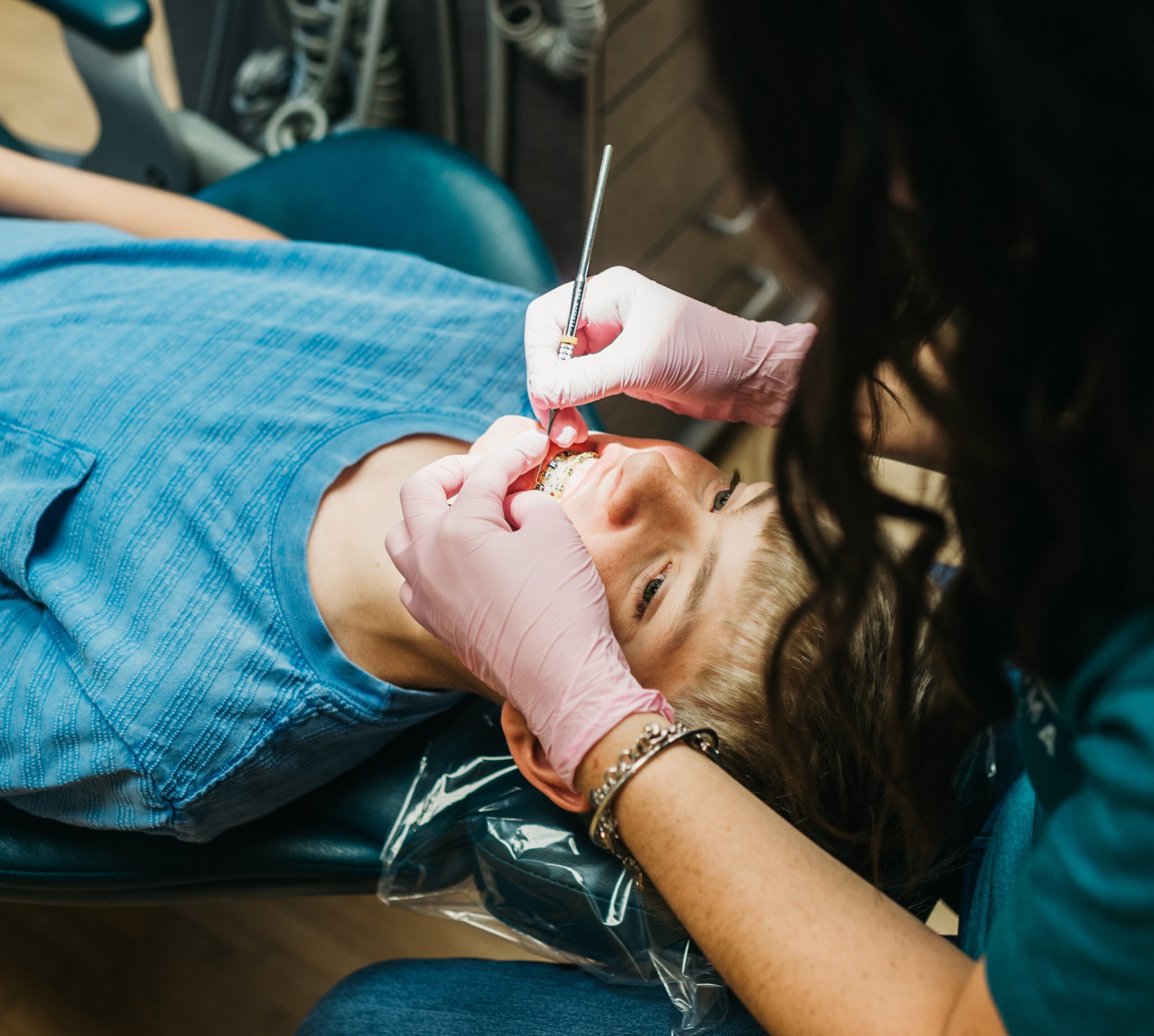
    Child receiving orthodontic treatment with metal braces, dental professional adjusting braces in a modern orthodontic office setting.

    Most parents know that orthodontics plays an important role in creating straight teeth and healthy smiles. What may be less well known is that orthodontic treatment doesn’t always start in the teen years. In fact, the American Association of Orthodontists recommends that children have their first orthodontic evaluation around age seven.

    Early orthodontic treatment — also called Phase 1 treatment — allows orthodontists to guide jaw growth, correct bite issues, and make space for permanent teeth as they come in. This proactive approach can prevent bigger problems later on and often makes future treatment shorter and less complex.

    But how do you know if your child might benefit from early orthodontic care? Here are the top five signs to watch for.


    1. Crowded or Misaligned Teeth

    One of the most common reasons for early orthodontic treatment is visible crowding. When baby teeth overlap or erupt at odd angles, it can be a sign that the jaw doesn’t have enough space for permanent teeth.

    Early treatment can expand the dental arches, create room for adult teeth, and guide them into healthier positions. Addressing crowding early helps avoid severe misalignment or the need for tooth extractions later.


    2. Difficulty Biting or Chewing

    If your child struggles to bite into food or chews unevenly, it may be a sign of a bite issue. Common bite problems include:

    • Overbite — The upper teeth extend too far over the lower teeth.
    • Underbite — The lower teeth extend in front of the upper teeth.
    • Crossbite — Upper teeth sit inside the lower teeth when biting.
    • Open bite — Front teeth do not meet when the mouth is closed.

    These issues don’t just affect appearance — they can make chewing difficult, wear down teeth unevenly, and even contribute to jaw discomfort. Early orthodontic care can correct these bite relationships before they worsen.


    3. Mouth Breathing or Snoring

    Children who regularly breathe through their mouths or snore during sleep may be dealing with airway problems. Mouth breathing can dry out oral tissues, increase the risk of cavities, and affect facial growth.

    Orthodontic appliances like palatal expanders can help open nasal passages and improve airflow. By addressing these issues early, orthodontic care can support better sleep quality and healthier development.


    4. Early or Late Loss of Baby Teeth

    Baby teeth typically fall out on a predictable schedule. Losing them much earlier or later than expected may signal underlying problems with jaw growth or tooth development.

    For example:

    • Early loss — Can cause neighboring teeth to drift into empty spaces, blocking permanent teeth from erupting correctly.
    • Late loss — May indicate that permanent teeth are misaligned or unable to erupt at all.

    An orthodontist can use X-rays and evaluations to monitor tooth development and recommend solutions like space maintainers or interceptive appliances.


    5. Jaw Shifting, Clicking, or Imbalance

    Pay attention to how your child’s jaws line up when they bite. If you notice shifting from side to side, frequent clicking sounds, or a visibly uneven jaw, it may be time for an orthodontic evaluation.

    Jaw imbalances can lead to long-term problems, including uneven wear, difficulty chewing, and even discomfort in the temporomandibular joint (TMJ). Early orthodontic intervention can guide jaw growth and prevent these issues from becoming more severe in adolescence or adulthood.


    Why Early Orthodontics Matters

    Treating orthodontic concerns in childhood offers many advantages beyond just aesthetics. Benefits of early orthodontic treatment include:

    • Reducing the need for extractions later — By creating enough room for permanent teeth.
    • Guiding proper jaw growth — Ensuring the upper and lower jaws fit together correctly.
    • Shortening future treatment — Making braces or Invisalign more effective during the teen years.
    • Boosting self-esteem — Helping children feel more confident about their smiles at an early age.

    While not every child needs Phase 1 treatment, an orthodontic evaluation can provide peace of mind and a clear plan for the future.


    Why Paying Attention Early Makes a Difference

    Waiting until all the permanent teeth come in isn’t always the best option. By recognizing these early warning signs, parents can help their children avoid more complicated orthodontic problems down the road. A proactive approach ensures healthier development, more effective treatment, and brighter smiles that last a lifetime.


    Take the Next Step Toward Your Child’s Smile

    If you’ve noticed signs like crowding, bite problems, or mouth breathing in your child, it may be time for an orthodontic evaluation. At Gig Harbor & Tacoma Orthodontics, Dr. Patra and our team specialize in early orthodontic treatment tailored to children’s unique needs. Schedule your free consultation today at our convenient Gig Harbor or Tacoma office and take the first step toward your child’s healthiest smile.


    seo

    September 17, 2025
  • How Orthodontics Improves Sleep and Reduces Snoring

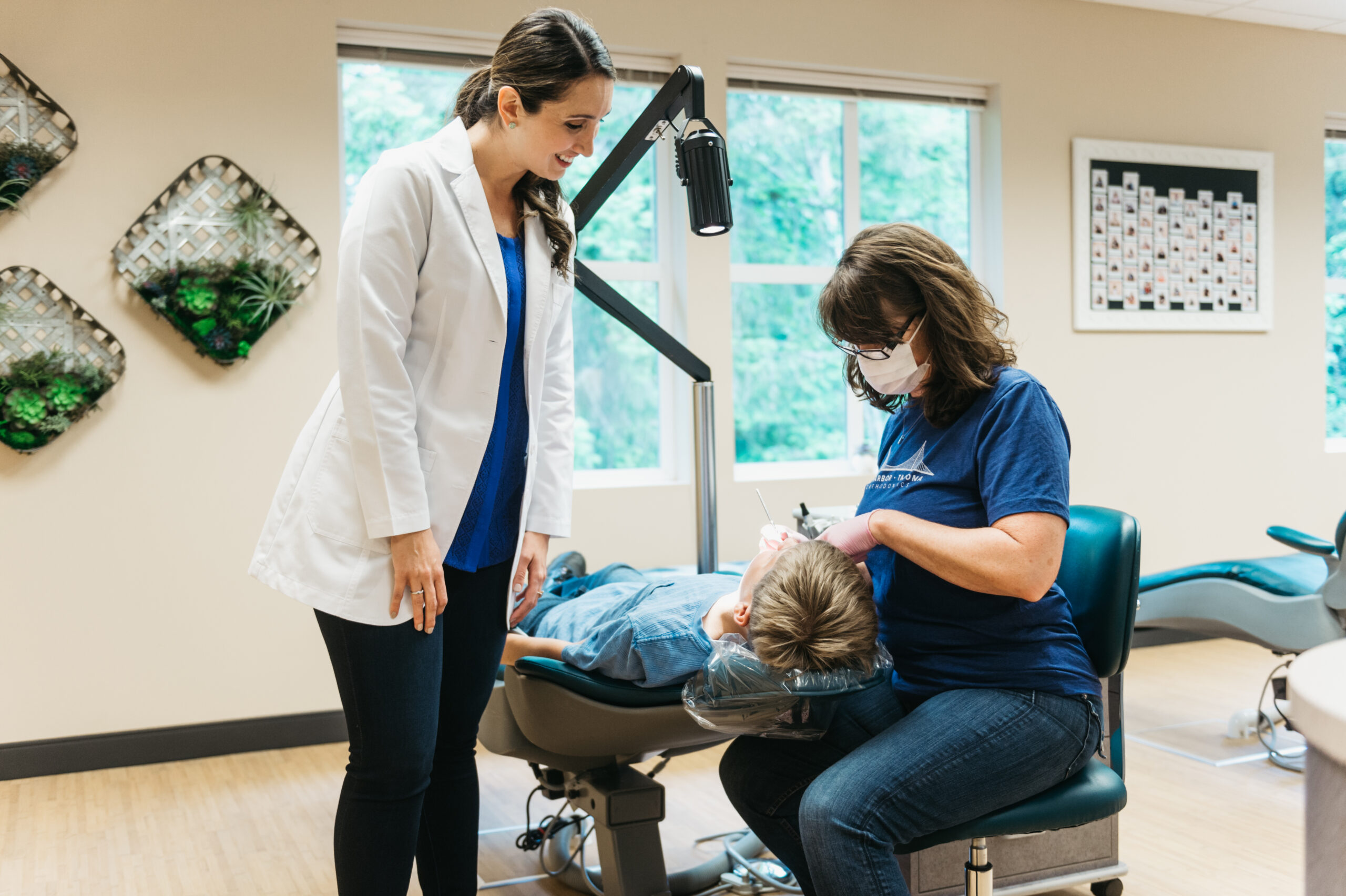
    Orthodontist and dental assistant attending to a young patient in a modern dental office, emphasizing clear braces maintenance and dental health.

    Sleep plays a critical role in your overall health, yet millions of people struggle with disrupted rest caused by snoring or sleep-related breathing issues. While many think of orthodontics as just a way to straighten teeth, treatment can also have a significant impact on sleep quality. In fact, orthodontic care can address structural problems in the mouth and jaw that contribute to snoring and poor sleep.

    If you or your child have experienced restless nights, orthodontics may be a surprising but effective solution. Let’s explore how orthodontic treatment improves sleep and reduces snoring.


    Why Snoring and Poor Sleep Happen

    Snoring occurs when airflow is partially blocked as it passes through the airway during sleep. The tissues in the throat vibrate, producing the sound of snoring. While occasional snoring might not be serious, frequent or loud snoring can indicate a deeper issue, such as obstructive sleep apnea.

    Several factors contribute to airway obstruction, including:

    • Jaw alignment — A small or recessed jaw can cause the tongue to fall backward during sleep, narrowing the airway.
    • Bite misalignment — Improper bite relationships may push the tongue or soft tissues into the airway.
    • Crowded teeth — Limited space in the dental arches can reduce tongue room, leading to airway restriction.
    • Enlarged tonsils or adenoids — More common in children, these can block airflow and lead to snoring.
    • Excess weight or lifestyle factors — These can also contribute, though structural issues are often overlooked.

    The Connection Between Orthodontics and Breathing

    Orthodontics is about more than creating a straight smile — it’s about ensuring the teeth and jaws function properly together. When the jaws are well-aligned, the airway is less likely to become obstructed during sleep.

    By correcting misalignments, orthodontic treatment can:

    • Expand the airway — Treatments such as palatal expanders widen the upper jaw, creating more space for the tongue and improving airflow.
    • Improve bite alignment — Braces and clear aligners reposition the teeth and jaws, reducing airway blockage.
    • Support jaw development in children — Early orthodontic care can guide jaw growth to prevent long-term breathing problems.
    • Reduce tongue obstruction — By providing enough space in the mouth, orthodontics minimizes tongue displacement during sleep.

    Orthodontic Treatments That Can Help

    The right treatment depends on a patient’s age, jaw structure, and specific concerns. Orthodontists evaluate each case individually, but several options are commonly recommended for improving sleep-related issues.

    For Children

    • Palatal expanders — These widen the upper jaw, opening nasal passages and creating more space for airflow.
    • Early braces — Guiding teeth and jaw alignment at a young age can prevent airway issues later in life.
    • Habit appliances — Certain devices can discourage mouth breathing and encourage proper tongue placement.

    For Teens and Adults

    • Braces — By correcting bite problems, braces can help improve airway space.
    • Invisalign — Clear aligners reposition teeth and jaws gradually, with similar benefits for breathing.
    • Surgical orthodontics — In severe cases, jaw surgery may be recommended to reposition the jaws and permanently increase airway size.

    Signs That Orthodontics May Improve Your Sleep

    Not everyone who snores needs orthodontic treatment, but there are some signs that orthodontics could make a difference. These include:

    • Frequent snoring — Especially if it disturbs your partner or household.
    • Restless sleep — Tossing, turning, or waking up frequently during the night.
    • Daytime fatigue — Struggling to stay alert even after a full night’s rest.
    • Mouth breathing — Particularly in children, this can signal airway obstruction.
    • Chronic headaches — Often linked to clenching, grinding, or poor oxygen flow at night.

    If you notice these patterns in yourself or your child, it’s worth seeking an evaluation.


    The Long-Term Benefits of Orthodontics for Sleep

    Improved sleep doesn’t just mean fewer restless nights — it can transform overall health and well-being. Correcting orthodontic issues that contribute to airway problems may lead to:

    • Better concentration and performance — Quality sleep improves memory, learning, and focus.
    • Reduced health risks — Proper breathing during sleep lowers risks of hypertension, heart disease, and other conditions linked to sleep apnea.
    • Enhanced mood — Restful sleep helps regulate mood and reduces irritability.
    • Improved growth and development in children — Kids who sleep well are better able to grow, learn, and thrive.

    Orthodontics can therefore play an important role in addressing not only dental health but also long-term physical wellness.


    Why Better Sleep Starts With Your Smile

    Snoring and poor sleep are often more than just annoyances — they can indicate airway problems that impact your health. Orthodontic treatment offers solutions by correcting jaw and bite issues, expanding the airway, and supporting proper breathing patterns. Whether through early intervention for children or braces and aligners for adults, orthodontics has the potential to make every night’s sleep more restful.


    Take the Next Step Toward Healthier Sleep

    If you or your child struggle with snoring or restless nights, orthodontics could be the answer. At Gig Harbor & Tacoma Orthodontics, Dr. Patra and our caring team provide personalized orthodontic solutions to improve both smiles and overall health. Schedule your free consultation today at our convenient Gig Harbor or Tacoma office and take the first step toward better sleep and lasting confidence.


    seo

    September 17, 2025
←Previous Page

Gig Harbor – Tacoma Orthodontics

Proudly making smiles brighter in the Washington area.

Contact Us

Contact

5334 Olympic Dr #201, Gig Harbor, WA 98335, United States

253-851-9473

Services

  • Early orthodontics

  • Invisalign

  • Invisalign teen

  • Orthodontic Consultations

  • Orthodontic Evaluations for Adults

  • Orthodontic Evaluations for Children and Teens

  • Orthodontics

  • Phase 1 Orthodontics

Hours

Hours vary by location—please contact us for details.

© 2026 Gig Harbor – Tacoma Orthodontics. Privacy Policy