When choosing an orthodontist near Tacoma, look for specialized residency training beyond dental school, board certification from the American Board of Orthodontics, several treatment options, advanced diagnostic technology, and a team that makes you feel genuinely welcome. These factors separate a great orthodontic experience from an average one.
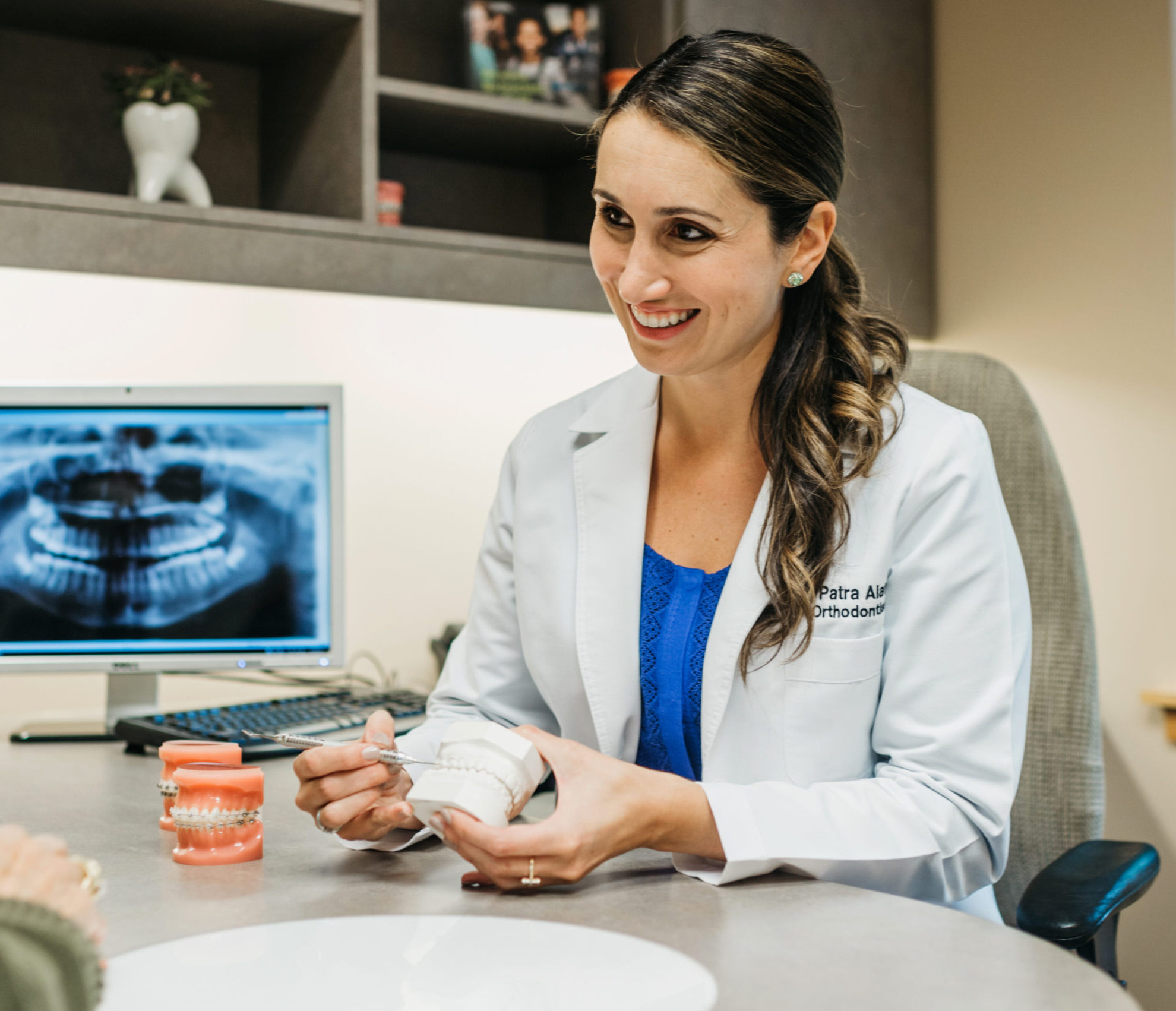
At Gig Harbor – Tacoma Orthodontics, Dr. Patra Alatsis, a board-certified orthodontist, brings this level of training and care to every patient. Understanding what sets an orthodontist apart starts with knowing how their education differs from a general dentist’s.
What Makes an Orthodontist Different from a General Dentist?
Both orthodontists and general dentists complete dental school. Orthodontists then go further, completing an additional two to three years of specialized residency training focused exclusively on tooth movement, bite alignment, and jaw development.
Board certification from the American Board of Orthodontics represents an even higher commitment to excellence. This voluntary credential requires passing rigorous examinations and demonstrating clinical expertise beyond the minimum requirements for practice. Not all orthodontists pursue board certification, so when you find one who has, you know they’ve invested extra effort in their profession. Dr. Patra holds this distinction.
General dentists who offer traditional braces or Invisalign® haven’t completed that intensive specialty training. For straightforward cases, a general dentist can produce good results. For complex bite issues, jaw discrepancies, or growing children who need careful monitoring, an orthodontist’s specialized training becomes essential.
Your general dentist is your primary care provider for overall oral health. Your orthodontist is the specialist you turn to when alignment and bite function need expert attention.
How to Evaluate an Orthodontist Near Tacoma: A Step-by-Step Approach
Finding the right orthodontist doesn’t have to feel overwhelming. Here’s how to evaluate credentials, experience, and fit:
- Verify credentials, education, and board certification. Check whether the orthodontist completed an accredited residency program and whether they’ve earned board certification from the American Board of Orthodontics. You can confirm this directly through the ABO’s website.
- Schedule consultations at more than one practice. Most orthodontic practices offer complimentary consultations. Meeting with two or three orthodontists gives you comparison points and helps you find someone whose communication style clicks with you. Pay attention to how clearly they explain your options and whether they take time to answer every question. A rushed consultation tells you a lot about what regular visits will feel like.
- Pay attention to the practice environment. How does the team treat you from the moment you walk in? Is the space clean and welcoming? Do people seem genuinely happy to be there?
- Ask about treatment options, timelines, and follow-up care. A good orthodontist will explain multiple approaches when appropriate and help you understand the pros and cons of each. They should also outline what happens after active treatment ends, including retainer protocols.
- Read patient testimonials and browse before-and-after galleries. Real patient experiences offer valuable insight, especially cases similar to yours. Look for patterns in reviews: do patients mention feeling heard, comfortable, and informed?
Trust your instincts during consultations. You want an orthodontist who listens, answers your questions thoroughly, and makes you feel comfortable. That relationship matters over months of regular visits.
Benefits of Choosing a Qualified, Experienced Orthodontist
Choosing a qualified orthodontist gives you access to specialized training, personalized treatment planning, and proactive care that general providers simply can’t match. The result is a more predictable outcome, fewer surprises, and an experience that feels genuinely supportive from your first consultation through your last retainer check.
What Treatment Options Are Available?
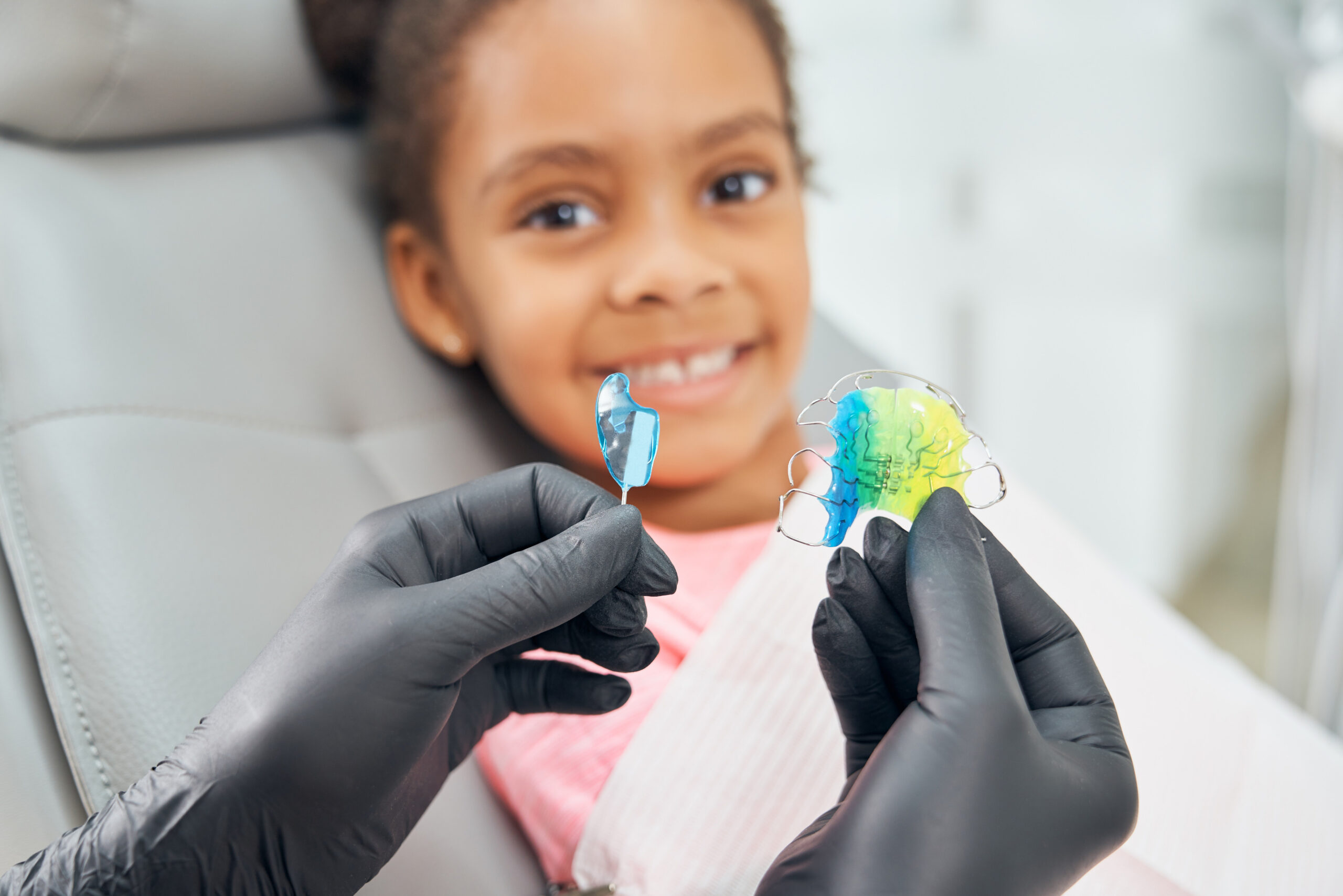
Experienced orthodontists like Dr. Patra offer traditional braces, ceramic braces, Invisalign®, and early orthodontic options for children. Rather than defaulting to one approach, they recommend what truly fits your situation, your bite, your lifestyle, and your goals.
Personalized Treatment Planning
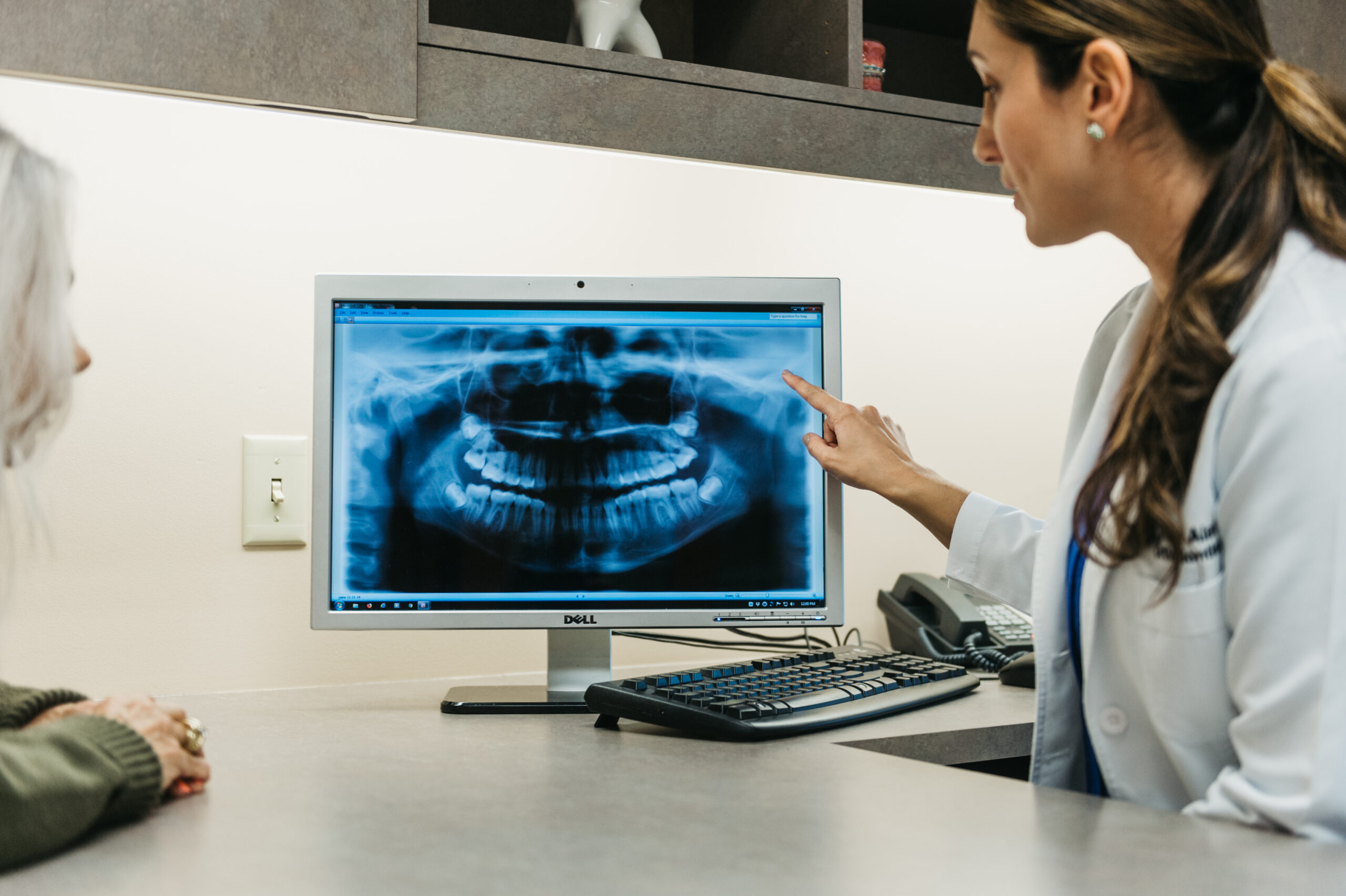
Using thorough diagnostic imaging and clinical examination, an orthodontist creates a plan built specifically around your teeth, bite, and goals. No cookie-cutter approaches here.
How Does Specialist Training Improve Outcomes?
Specialist training means orthodontists have seen thousands of cases and can anticipate challenges before they arise. That translates to more predictable results and fewer mid-course corrections.
Regular check-ups let your orthodontist catch small issues before they become bigger problems. Catching issues early keeps treatment on track and helps avoid surprises. The best orthodontists also understand that treatment isn’t just about the end result. It’s about making the process comfortable, and even enjoyable, along the way. That’s a big deal when you’re coming in for regular visits over months or years.
Orthodontist vs. General Dentist vs. DIY Aligners: How They Compare
With so many options available today, understanding what each one actually offers helps you make an informed decision.
| Factor | Board-Certified Orthodontist | General Dentist | DIY Aligner Companies |
|---|---|---|---|
| Training | Dental school + 2-3 year orthodontic residency | Dental school only | No in-person provider |
| Supervision | In-person exams at every visit | In-person exams | Remote monitoring only |
| Treatment Scope | Complex to simple cases | Typically mild to moderate | Mild cases only |
| Diagnostic Imaging | Full X-rays, photos, models | Varies by practice | Self-impressions or scans |
| Follow-up Care | Regular adjustments and retention planning | Varies | Limited or none |
| Emergency Support | Direct access to specialist | Referral may be needed | Often unavailable |
Board-certified orthodontists like Dr. Patra bring the deepest expertise for complex bite and alignment issues. General dentists can handle mild cases competently, but many refer more complex situations to an orthodontist. That’s good judgment, not a limitation.
DIY aligner companies skip the in-person examination entirely. They may address very minor spacing issues. But they can’t diagnose underlying problems like bite issues or gum disease, problems that get worse when teeth move without proper supervision. The American Association of Orthodontists recommends that orthodontic treatment include in-person examinations by a licensed professional.
What Factors Affect the Cost of Orthodontic Treatment?
The cost of orthodontic treatment depends on case complexity, treatment duration, appliance type, geographic location, and insurance coverage. Most practices in the Tacoma area offer flexible financing and complimentary consultations to help you understand your investment before committing.
Here’s how each factor plays into your investment:
- Treatment complexity and duration. More complex cases requiring longer treatment naturally cost more. Someone with severe crowding and bite issues will have a different investment than someone with minor spacing concerns.
- Type of appliance. Metal traditional braces, ceramic braces, and Invisalign® each have different price points. The “best” option isn’t always the most expensive; it’s the one that fits your clinical needs and lifestyle.
- Insurance coverage varies. Many dental insurance plans include orthodontic benefits, though coverage amounts differ significantly. Ask your insurance provider about your specific benefits before your consultation.
- Flexible financing. Many practices offer payment plans that spread costs over the treatment period, making orthodontic care more accessible for families.
- Complimentary consultations. Initial consultations are often offered at no charge, so you can get a clear picture of your treatment needs and costs before committing.
One thing to keep in mind: choosing the cheapest option upfront can lead to higher costs down the road if retreatment becomes necessary. Investing in qualified care from the start typically provides better value over time.
Who Should See an Orthodontist? Candidacy for All Ages
Children as young as seven, teenagers, and adults of all ages are candidates for orthodontic treatment. The American Association of Orthodontists recommends an initial evaluation by age seven, when a mix of baby and permanent teeth allows an orthodontist to spot potential issues early and plan accordingly.
Kids as young as seven benefit from that first orthodontic evaluation because it gives a board-certified orthodontist the chance to assess jaw growth and incoming permanent teeth. Phase 1 orthodontics can guide development and create space, potentially reducing the need for more extensive treatment later.
The teen years remain the most common time for orthodontic treatment. Most permanent teeth have erupted, and the jaw is still growing, creating an ideal window for correction.
Adults? Absolutely. You’re never too old for a straighter smile. Many adults who missed out on traditional braces as teenagers are now choosing to invest in themselves. With discreet options like Invisalign® and ceramic braces, treatment fits more easily into professional and social life.
A consultation with a board-certified orthodontist determines your candidacy, and you typically don’t need a referral from your dentist to schedule one.
Frequently Asked Questions About Choosing an Orthodontist
What questions should I ask during an orthodontic consultation?
Ask about their training and board certification status. Find out which treatment options they recommend for your case and why. Get details about estimated treatment time, total cost, and what’s included. At Gig Harbor – Tacoma Orthodontics, Dr. Patra welcomes these questions during every complimentary consultation.
How do I know if an orthodontist is board certified?
You can verify board certification through the American Board of Orthodontics website. Search for the orthodontist’s name to confirm their status. Board-certified orthodontists have passed examinations demonstrating expertise beyond the minimum requirements for licensure.
Is it worth getting a second opinion from another orthodontist?
Yes, especially for complex cases or when you’re uncertain about a recommended treatment plan. Different orthodontists may suggest different approaches, and comparing perspectives helps you feel confident in your decision.
Can a general dentist do traditional braces as well as an orthodontist?
General dentists can legally provide traditional braces in most states, but they lack the specialized residency training orthodontists complete. For complex bite issues, jaw problems, or growing children, an orthodontist’s specialized training provides significant advantages.
How long does orthodontic treatment typically take?
Most orthodontic cases take 12 to 24 months, though duration varies based on complexity and appliance type. Some simpler cases finish sooner, and more complex cases may take longer. Your orthodontist will provide a specific estimate during your consultation.
Choosing the right orthodontist is one of the most important decisions you’ll make for your smile. With the right questions and a little research, you’ll feel confident about your choice. Whether you’re exploring options for yourself, your teen, or your child, Dr. Patra and the team at Tacoma Orthodontics – Proctor Braces are here to make the whole experience better than you expected. Ready to get started? Schedule a complimentary consultation today.