Gig Harbor: 253-851-9473

Tacoma: 253-474-9473

Gig Harbor - Tacoma Orthodontics Logo
  • Home
  • About Us
    • Meet Our Team
    • Blog
  • Locations
    • Gig Harbor Orthodontics
    • Tacoma Orthodontics – Proctor Braces
  • Gig Harbor
    • Orthodontics
    • Traditional Braces
    • Invisalign
    • Invisalign Teen
    • Orthodontic Consultations
    • Orthodontic Evaluations for Children and Teens
    • Orthodontic Evaluations for Adults
    • Early Orthodontics
    • Phase 1 Orthodontics
    • Retainers
  • Tacoma – Proctor Braces
    • Orthodontics
    • Traditional Braces
    • Invisalign
    • Invisalign Teen
    • Orthodontic Consultations
    • Orthodontic Evaluations for Children and Teens
    • Orthodontic Evaluations for Adults
    • Early Orthodontics
    • Phase 1 Orthodontics
    • Retainers
  • New Patients
Contact Us
  • At What Age Should My Child First See an Orthodontist?

    At What Age Should My Child First See an Orthodontist?

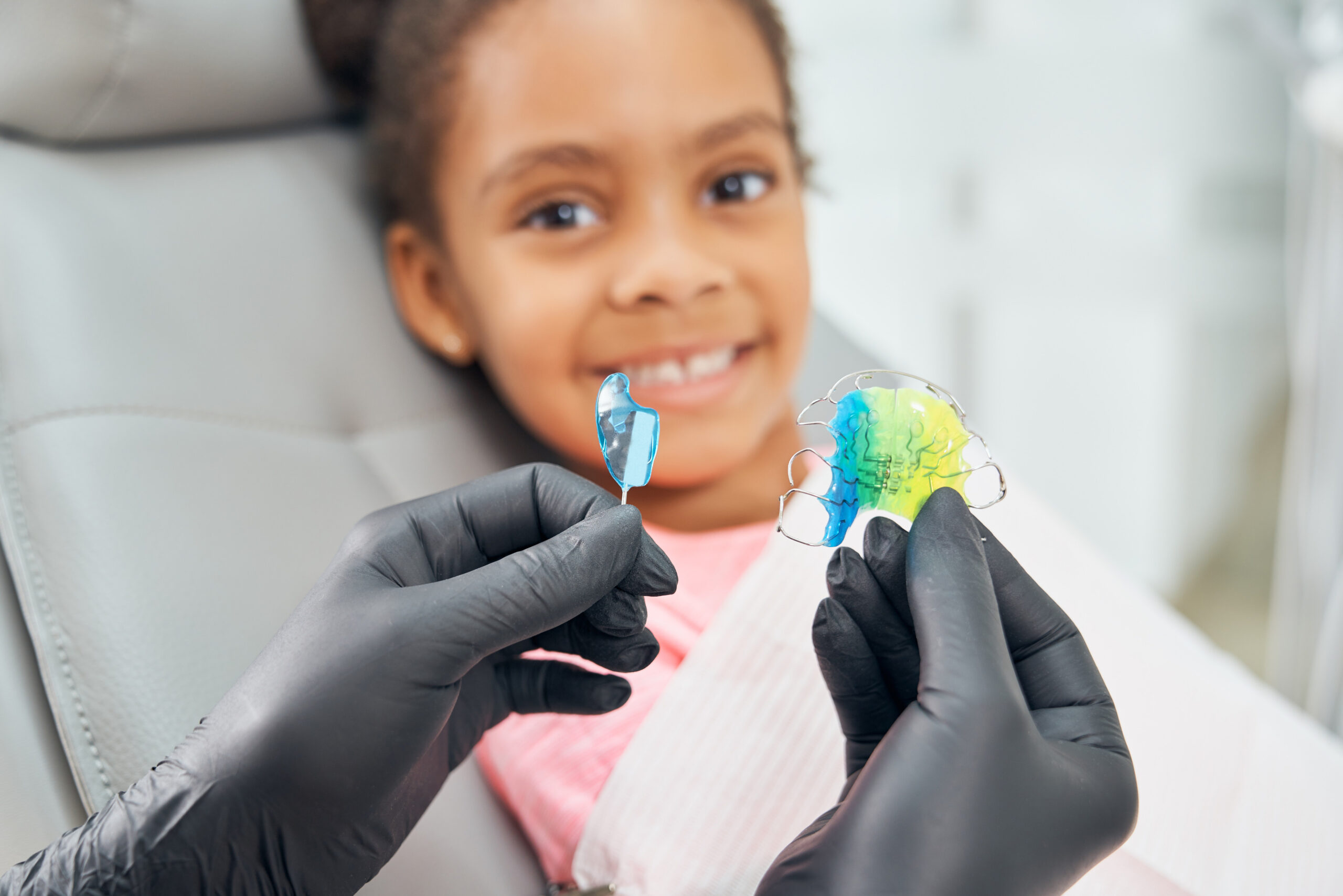
    Many parents wonder when their child should first visit an orthodontist. The American Association of Orthodontists recommends that every child have their first orthodontic evaluation by age 7. This isn’t about rushing into early orthodontics. It’s about catching potential issues while your child’s jaw is still growing and easier to guide.

    What Is an Early Orthodontic Evaluation?

    An early orthodontic evaluation is a screening where an orthodontist assesses your child’s dental development, including jaw growth, bite alignment, tooth spacing, and the position of emerging permanent teeth. It is not a commitment to immediate care. Far from it. By age 7, most children have a mix of baby teeth and permanent teeth, which gives the orthodontist real insight into how their smile is developing.

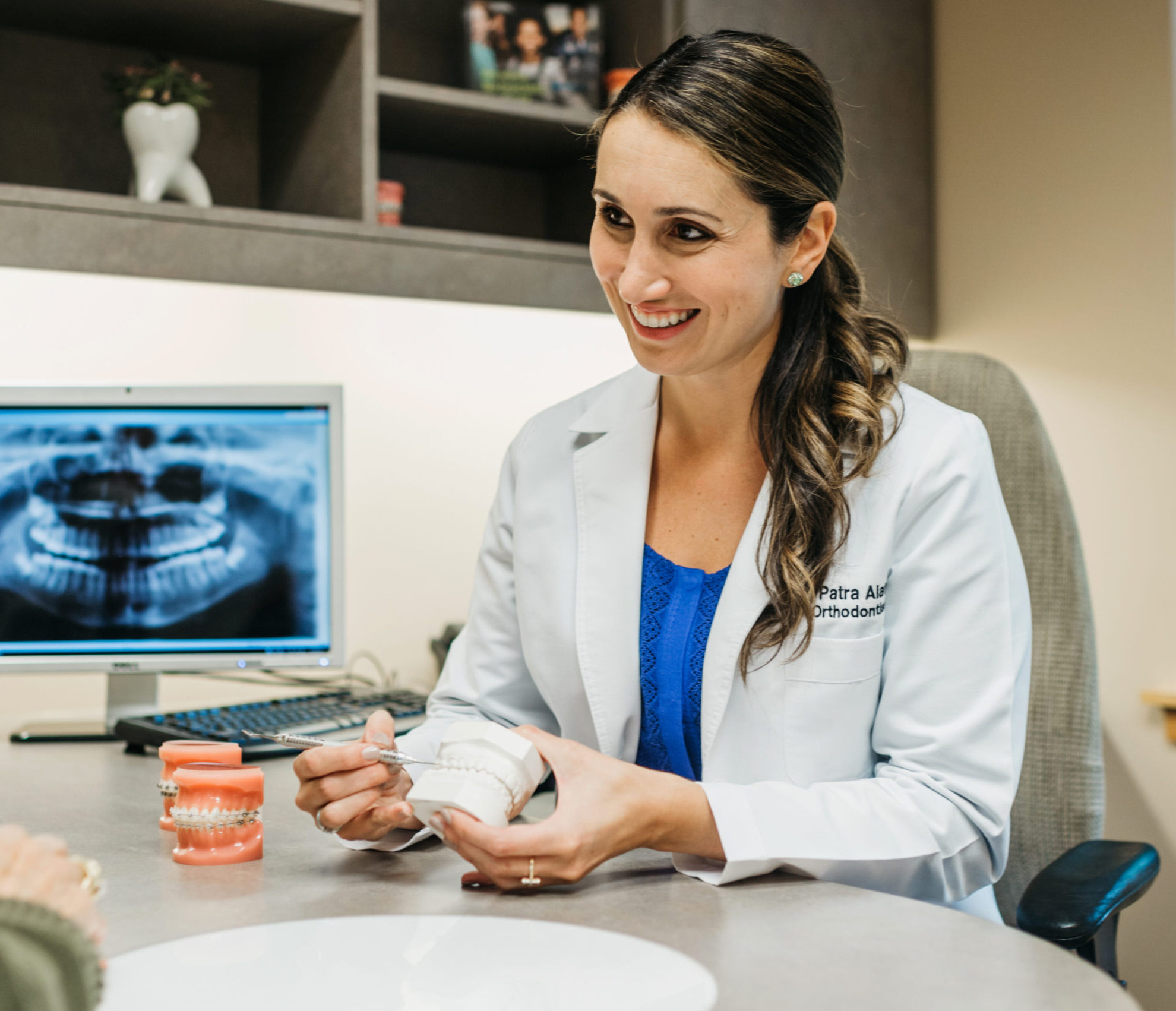
    During this evaluation, the orthodontist examines all of these factors together. The goal is to spot subtle issues that could become more significant if left unaddressed, and to establish a baseline for tracking development over time. At Gig Harbor – Tacoma Orthodontics, Board Certified orthodontist Dr. Alatsis recommends this early screening for every child because it provides a clear picture of what’s happening beneath the surface, not just what’s visible.

    Here’s what many parents in the Gig Harbor and Tacoma area find reassuring: most children evaluated at age 7 won’t need immediate intervention. Instead, they’ll simply be monitored. The orthodontist will track their development and recommend next steps only when (and if) it becomes necessary. That monitoring alone gives families valuable peace of mind.

    According to the American Association of Orthodontists, early evaluation allows orthodontists to detect problems while baby teeth are still present and the jaw is actively growing. This window of opportunity makes certain corrections easier and more effective than waiting until all permanent teeth have erupted. Children’s bones are more responsive during this stage, which means appliances like palatal expanders work faster and with less discomfort.

    What Happens During Your Child’s First Orthodontic Visit

    Your child’s first orthodontic visit is designed to be quick, comfortable, and even enjoyable. The consultation at Gig Harbor – Tacoma Orthodontics takes about 30 to 45 minutes, and there’s no discomfort involved.

    The evaluation usually includes:

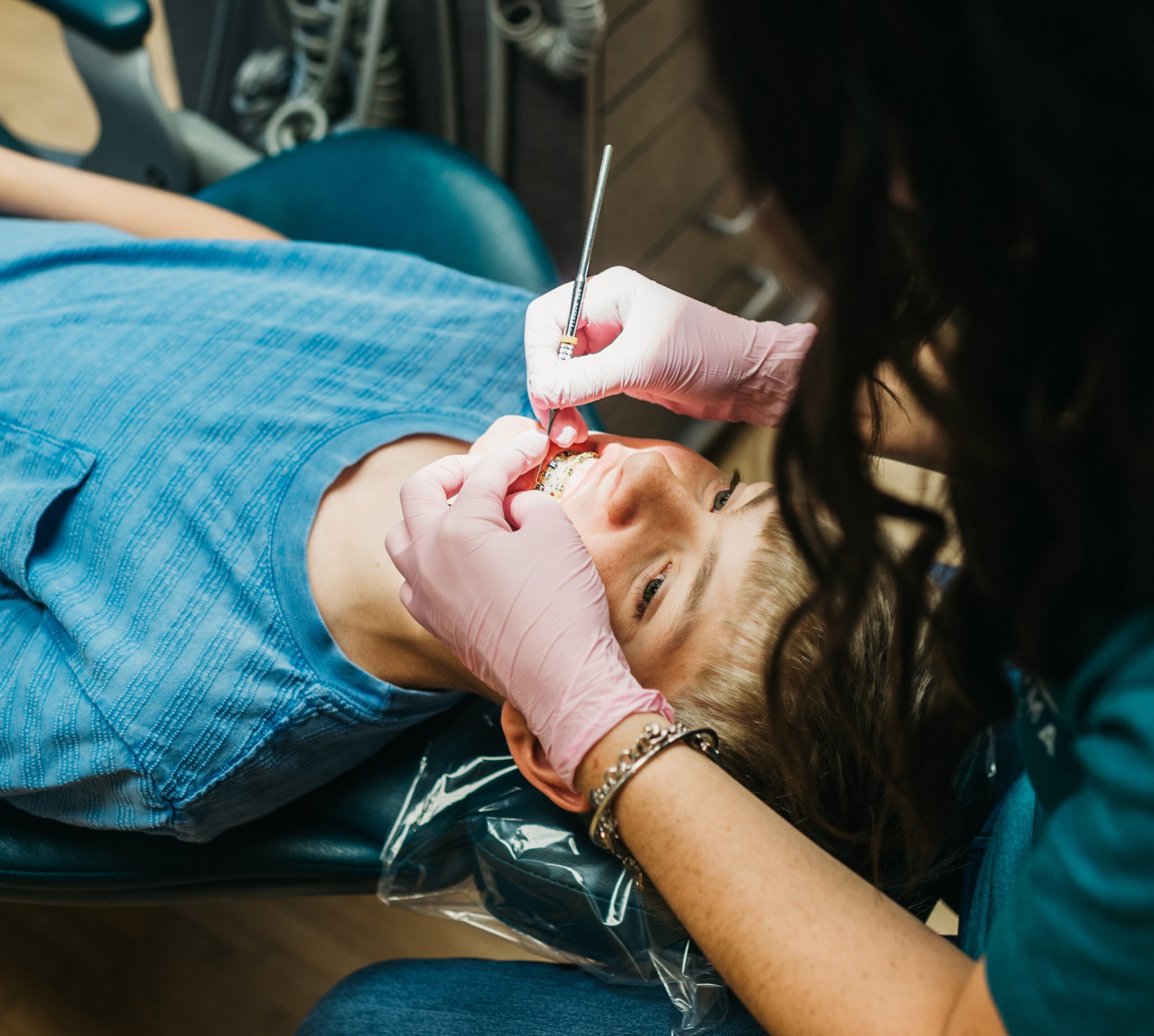
    • A visual examination of your child’s teeth, jaw, and bite to check for obvious alignment issues
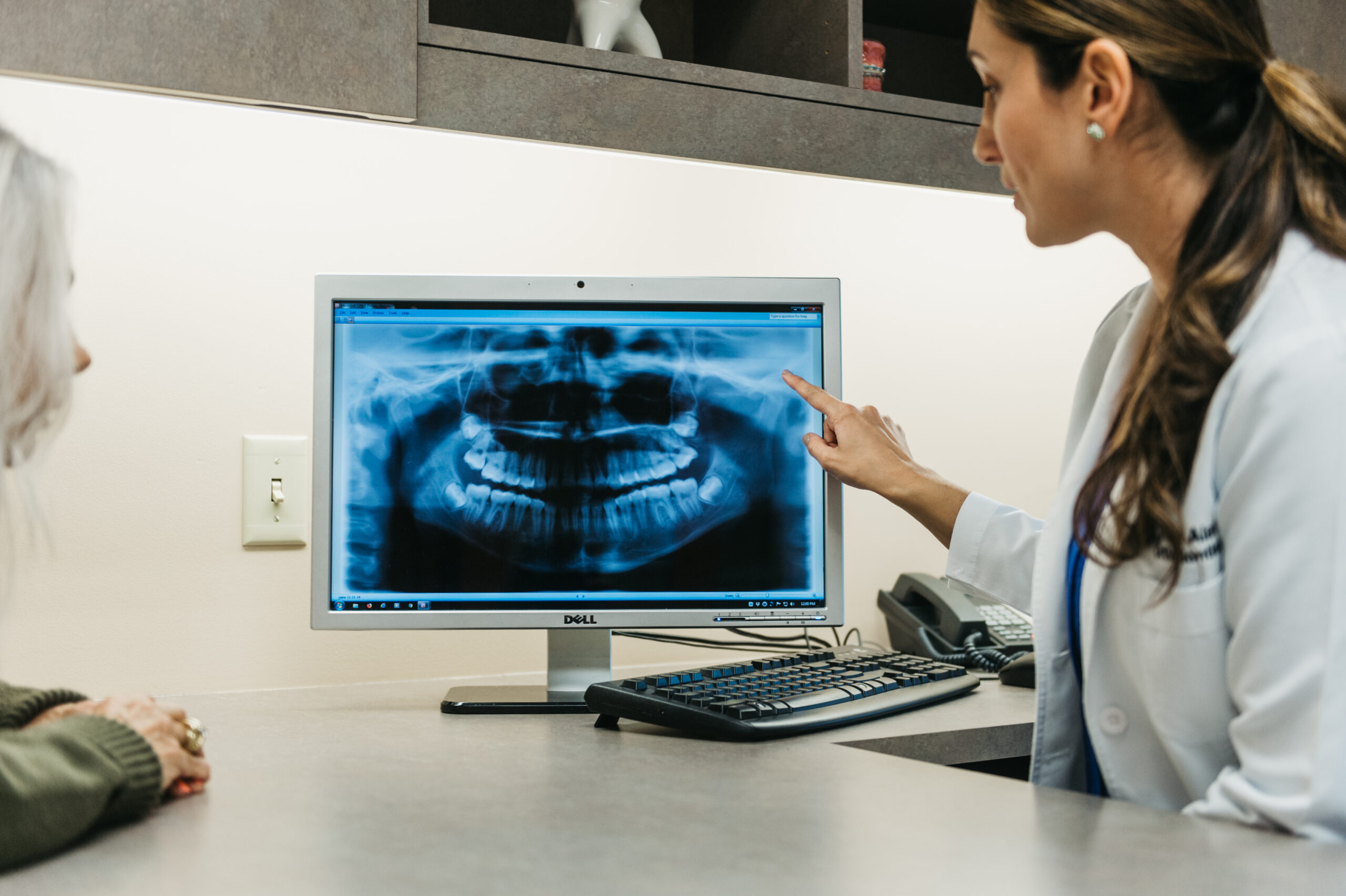
    • Digital imaging or X-rays to see developing teeth below the gumline and assess bone structure
    • Bite assessment to identify how the upper and lower teeth come together
    • Discussion of findings with you and your child in easy-to-understand terms

    After the examination, the orthodontist will explain exactly what they observed. If everything looks good, your child will simply be scheduled for periodic monitoring visits. If there are concerns, the orthodontist will discuss whether early intervention is beneficial or if it’s better to wait and watch.

    When early orthodontic care is recommended, a plan built around your child’s specific needs is created. Dr. Alatsis, who is Board Certified by the American Board of Orthodontics, takes time to explain every option so families make informed decisions together.

    There are no scary tools or uncomfortable procedures. It really is just a friendly conversation about your child’s smile.

    Benefits of Seeing an Orthodontist by Age 7

    Evaluating your child by age 7 offers five key advantages: early jaw correction, guided tooth eruption, reduced trauma risk, simpler future orthodontic care, and habit intervention. Here’s a closer look at each one.

    How Can Early Detection Help With Jaw Growth Issues?

    While your child’s jaw is still growing, certain problems are far easier to address. Narrow palates, crossbites, and underbites respond more effectively to correction at this stage because the orthodontist works with your child’s natural growth patterns rather than against them.

    This is one of the biggest reasons the AAO recommends age 7 as the starting point. Skeletal issues that are straightforward to correct in a growing child become significantly more complex, and sometimes surgical, in a teenager or adult whose jaw growth is complete.

    What Role Does Monitoring Play in Guiding Permanent Teeth?

    If baby teeth are lost too early or too late, permanent teeth erupt in problematic positions. Early monitoring helps the orthodontist intervene at the right moment, creating space or preserving it so adult teeth come in where they should.

    Can Early Evaluation Reduce Trauma Risk?

    Yes, and this one matters for active kids. Children with protruding front teeth are more susceptible to dental injuries during sports and play. Early orthodontic care brings these teeth into safer positions, reducing the risk of chips, fractures, and knocked-out teeth.

    Does Early Intervention Simplify Orthodontic Care Later?

    Addressing certain issues early reduces the complexity of adolescent orthodontic care. Some children who receive Phase 1 orthodontics need shorter time in traditional braces as teens. In some cases, the second phase is less involved than it would have been otherwise. In others, Phase 1 eliminates the need for extractions or more invasive procedures down the road.

    What About Harmful Oral Habits?

    Thumb-sucking, tongue thrusting, and mouth breathing all affect jaw development and tooth alignment. An orthodontist identifies these habits and recommends strategies to address them before they cause lasting changes. The sooner these habits are caught, the easier they are to redirect.

    Early intervention isn’t about giving every 7-year-old traditional braces. It’s about identifying which children would benefit from timely care and which children simply need to be monitored as they grow.

    Early Evaluation vs. Waiting Until the Teen Years

    Parents in the Tacoma and Gig Harbor area frequently ask whether it’s better to have their child evaluated early or wait until adolescence when all permanent teeth have come in. The honest answer? It depends on your child’s specific situation. Board Certified orthodontist Dr. Alatsis explains the key differences between these two approaches.

    FactorEarly Evaluation (Age 7)Waiting Until Teen Years
    Best forDetecting skeletal and bite issuesStraightening teeth after all permanent teeth erupt
    FocusJaw growth guidance, creating space, correcting crossbitesFull alignment with traditional braces or Invisalign Teen
    Growth advantageUses natural jaw growth to assist correctionsJaw growth is mostly complete
    PhasesPhase 1 now, Phase 2 later if neededOne phase of orthodontic care
    OutcomeReduces complexity of future careAddresses all alignment issues at once

    What Is Phase 1 Orthodontics?

    Phase 1 orthodontics focuses on skeletal and bite issues while the jaw is still actively growing. This might involve palatal expanders, partial traditional braces, or other appliances designed to guide development. Phase 1 lasts 6 to 18 months in most cases.

    Not every child evaluated early will need Phase 1 orthodontics. Many are simply monitored until their permanent teeth come in, at which point they receive traditional braces or Invisalign Teen as a single-phase approach.

    When Is Two-Phase Care the Right Choice?

    Two-phase care benefits children with significant jaw discrepancies or bite problems. By addressing these issues early, the second phase during adolescence is shorter and less involved. In some cases, early intervention reduces the likelihood of needing tooth extractions or jaw surgery later.

    Dr. Alatsis helps families determine which path is right for their child based on a thorough clinical evaluation and each child’s unique growth pattern.

    What Affects the Cost of Early Orthodontic Care?

    The cost of early orthodontic care depends on the type of intervention needed, its complexity, and duration. Many practices offer free initial evaluations, insurance covers a portion of Phase 1 orthodontics in many plans, and flexible financing is available to help families manage the investment.

    At Gig Harbor – Tacoma Orthodontics, initial evaluations are complimentary. This removes the financial barrier to getting your child evaluated at the recommended age.

    Phase 1 costs vary

    The investment for early intervention depends on what’s being corrected and how long the process lasts. Simple space maintainers cost less than palatal expanders or partial traditional braces.

    Insurance helps in many cases

    Many dental insurance plans include orthodontic benefits for children that cover a portion of Phase 1 orthodontics. It’s worth checking with your insurance provider to understand your specific coverage.

    Flexible financing spreads the cost over time

    We work with families to create arrangements that fit their budgets, because affordability matters when it comes to your child’s oral health.

    5 Signs Your Child Should See an Orthodontist Now

    While every child should be evaluated by age 7, certain signs indicate your child would benefit from seeing an orthodontist sooner rather than later.

    1. Crowded, overlapping, or gapping teeth. These are signs that space management is needed as permanent teeth continue to emerge. Even if your child’s smile looks fine to you, an orthodontist sees developing issues beneath the surface that parents simply cannot detect on their own.
    2. Difficulty biting or chewing food. If your child avoids certain foods because they’re hard to bite into, or chews primarily on one side, bite alignment issues are likely affecting everyday function.
    3. Mouth breathing, snoring, or jaw clicking. Chronic mouth breathing and snoring are related to jaw development in many children. Clicking or popping sounds when your child opens their mouth signal a jaw joint concern worth evaluating.
    4. Early or late loss of baby teeth. Baby teeth fall out in a predictable sequence. Losing teeth very early (before age 5) or much later than peers affects how permanent teeth come in, and the timing matters more than most parents realize. This is one of the most overlooked warning signs.
    5. Protruding front teeth or a noticeable overbite or underbite. If your child’s front teeth stick out prominently, or if their lower jaw appears to jut forward or sit far behind the upper jaw, early evaluation is particularly important.

    If you notice any of these signs, don’t wait until age 7. Schedule an evaluation to determine whether your child would benefit from early monitoring or intervention.

    Frequently Asked Questions About Your Child’s First Orthodontic Visit

    Is age 7 too young for traditional braces?

    No, evaluation at age 7 doesn’t mean traditional braces at age 7. Most children evaluated at this age are simply monitored. If orthodontic care is recommended, it’s because the orthodontist has identified a specific issue that benefits from early correction.

    What if my child still has baby teeth?

    That’s completely expected, and actually the whole point. At age 7, the orthodontist evaluates how permanent teeth are developing beneath the gums and whether there’s adequate space for them to emerge properly. Baby teeth serve as placeholders, and their condition provides valuable information.

    Does my child need a referral to see an orthodontist?

    No referral is needed. You can contact an orthodontic practice directly to book a consultation. While many general dentists do refer patients when they notice potential issues, you don’t need to wait for a referral if you have concerns.

    How long does Phase 1 orthodontics last?

    Phase 1 orthodontics lasts between 6 and 18 months, depending on what’s being corrected. Palatal expansion takes less time, while correcting a significant crossbite runs longer. After Phase 1, there’s a resting period where your child is monitored as remaining permanent teeth come in.

    Will my child need traditional braces again as a teen?

    Some children who receive Phase 1 orthodontics will need a second phase during adolescence, while others won’t. It depends on how permanent teeth erupt and whether additional alignment is necessary. Your orthodontist will monitor development and discuss whether further care is recommended.

    What’s the difference between an orthodontist and a dentist?

    Orthodontists are dental specialists who complete two to three years of additional training beyond dental school, focusing exclusively on tooth movement and jaw alignment. For orthodontic evaluations and care, seeing a specialist like Board Certified orthodontist Dr. Alatsis ensures focused expertise in alignment and bite correction.

    If your child is approaching age 7, or if you’ve noticed any of the signs mentioned above, an early evaluation provides the information you need to make the best decisions for their smile. Most kids who come in at this age just need monitoring, and that peace of mind alone is worth the visit. Contact Gig Harbor – Tacoma Orthodontics to set up a free consultation.

    seo

    April 20, 2026
  • Are Clear Aligners Effective for Adults in Their 30s and 40s?

    Are Clear Aligners Effective for Adults in Their 30s and 40s?

    What Are Clear Aligners and How Do They Work for Adults?

    Clear aligners are personalized, removable plastic trays that gradually shift teeth into proper alignment. For adults in their 30s and 40s, clear aligners are effective because the bone remodeling process that allows orthodontic movement never stops. Your teeth can move at any age, and Invisalign®, the leading clear aligner system, works remarkably well for this age group. Adults in their 30s and 40s actually represent the fastest-growing segment of orthodontic patients today.

    If you’ve been wondering whether you missed your window for straighter teeth, you haven’t. Invisalign® uses personalized, removable plastic trays to shift your teeth gradually into better alignment. Each set of trays applies gentle, consistent pressure to specific teeth, moving them fraction by fraction over time.

    The technology behind Invisalign® has come a long way. Digital 3D imaging captures every detail of your teeth and bite, allowing your board-certified orthodontist to map out your entire plan from start to finish before you even begin. You can actually see a preview of your projected smile.

    What makes you a good candidate has nothing to do with age. It comes down to the health of your teeth and gums. Adults with healthy mouths respond just as well to Invisalign® as younger patients. A board-certified orthodontist evaluates each patient individually to determine the best approach for their specific situation.

    According to the American Association of Orthodontists, a growing percentage of orthodontic patients today are adults. That number reflects a real shift in how people think about orthodontic care. Straight teeth aren’t just for teenagers anymore. Invisalign® received FDA clearance in 1998 and has since been used to treat millions of patients worldwide.

    How Clear Aligner Care Works for Adults in Their 30s and 40s

    The process starts with a thorough consultation. Your board-certified orthodontist takes digital scans of your teeth, reviews X-rays, and examines your bite. This information creates a complete picture of what needs to happen to reach your goals.

    From there, your personalized plan takes shape. Here’s what to expect:

    1. Digital scanning and planning. Advanced imaging technology captures precise measurements of your teeth and jaw, eliminating the need for messy impressions in most cases.
    2. Personalized aligner fabrication. A series of clear trays are manufactured specifically for your teeth, each one slightly different from the last.
    3. Wearing your aligners. You’ll wear each set of trays for one to two weeks before switching to the next set in the series. The trays must stay in for 20 to 22 hours daily.
    4. Progress check-ins. Consultations typically occur every six to eight weeks so your orthodontist can monitor your progress and make any necessary adjustments.
    5. Completion and retention. Once your teeth reach their final positions, you’ll transition to retainers to maintain your new smile.

    Duration varies based on complexity. Most adults complete their Invisalign® plan within 6 to 18 months. Simpler cases involving minor crowding or spacing may wrap up faster, while more involved corrections take longer.

    The key to success? Wearing your aligners as directed. Adults who commit to the 20-22 hour daily wear time see the best beautiful, healthy smiles within their projected timeline.

    Why Do Adults in Their 30s and 40s Choose Clear Aligners?

    Adults choose clear aligners for practical reasons that fit their lives. The benefits go beyond aesthetics, though looking good certainly matters.

    How Does Invisalign® Fit a Busy Professional Life?

    Invisalign® trays are nearly invisible. Most people won’t notice you’re wearing them during meetings, presentations, or client interactions. You can straighten your teeth without announcing it to everyone at work. For adults balancing careers, families, and social lives, this discretion makes all the difference.

    Pop out your aligners for meals and you eat whatever you want. Zero food restrictions. Brush and floss like you always have, then pop them back in. This simplicity appeals to busy adults who don’t want their orthodontic care disrupting daily habits. Fewer consultations also save time. Invisalign® check-ins happen every six to eight weeks rather than the four-to-six-week schedule typical of traditional braces.

    Can Straighter Teeth Actually Improve Your Health?

    Properly aligned teeth are easier to clean, reducing the risk of cavities and gum disease. When teeth overlap or crowd together, bacteria hide in hard-to-reach spaces. Getting your teeth into proper alignment reduces those risks over the long term.

    Many adults don’t realize their headaches, jaw tension, or uneven tooth wear connect to bite problems. Correcting your bite can eliminate these issues and protect your teeth from further damage.

    There’s also something real about investing in yourself. Adults who complete their Invisalign® plan often report feeling more confident in social and professional situations. That confidence shows up in job interviews, date nights, and everyday conversations where you’re no longer thinking about your teeth.

    Clear Aligners vs. Traditional Braces for Adults: Which Is Better?

    For adults with mild to moderate orthodontic needs who want a discreet, removable option, Invisalign® is typically the stronger choice. Traditional braces work better for severe or complex cases requiring continuous force. Both deliver comparable beautiful, healthy smiles for similar cases, and the right choice depends on your specific situation, lifestyle preferences, and goals.

    FactorInvisalign®Traditional Braces
    VisibilityNearly invisibleNoticeable metal or ceramic brackets
    RemovabilityRemovable for eating and cleaningStays on throughout the process
    Best forMild to moderate crowding, spacing, and bite issuesSevere malocclusions and complex cases
    ComplianceRequires patient discipline to wear 20-22 hours dailyWorks continuously without patient action
    ComfortSmooth plastic, minimal irritationBrackets and wires may cause mouth sores
    ConsultationsEvery 6-8 weeksEvery 4-6 weeks
    DurationComparable when worn as directedComparable for similar cases

    Mild to moderate orthodontic issues respond beautifully to Invisalign®. Crowding, spacing gaps, overbites, underbites, and crossbites often do well with aligner therapy.

    For severe cases, though, traditional braces remain the stronger option. Complex tooth movements, significant skeletal discrepancies, or teeth that need rotation may require the continuous force that brackets and wires provide. Some adults start with one option and finish with another. Your orthodontist might recommend a hybrid approach for certain situations.

    The comfort difference matters to many adults. Invisalign® uses smooth plastic that doesn’t irritate your cheeks and lips. Traditional braces involve metal components that can cause temporary discomfort, especially after adjustments.

    Duration stays comparable when you wear your aligners properly. Adults who slack on wear time extend their timeline. Those who follow instructions finish on schedule.

    How Much Do Clear Aligners Cost for Adults?

    Invisalign® for adults typically costs between $3,000 and $8,000, with the final price depending on case complexity, provider expertise, and geographic location. Insurance, FSA/HSA funds, and flexible financing can reduce out-of-pocket costs significantly.

    Your investment reflects the specifics of your case and the expertise of your provider. Several factors influence the final cost, including the severity of misalignment, the number of aligner trays needed, and whether additional procedures like attachments or refinements are part of your plan.

    Insurance coverage has improved.

    Many dental insurance plans now include adult orthodontic benefits. Coverage varies widely, so check your specific plan details. Some plans cover a set dollar amount, while others cover a percentage of costs.

    FSA and HSA funds can also pay for Invisalign®. Using pre-tax dollars effectively reduces your out-of-pocket expense, and many adults find this strategy makes a meaningful difference in their overall investment.

    Flexible financing makes orthodontic care accessible, too. At Gig Harbor Orthodontics, most orthodontic practices offer monthly plans that spread the cost over time, often with little or no interest. This makes care manageable for most budgets, regardless of the total price.

    You’ve probably seen advertisements for mail-order aligners at lower price points. These DIY options skip the in-person orthodontist supervision that catches problems early and ensures your care progresses safely. Orthodontist-supervised Invisalign® provides professional oversight, adjustments when needed, and accountability throughout your time in aligners. A consultation with Dr. Patra gives you a clear picture of what your specific plan will cost.

    Are Clear Aligners Effective for Adults in Their 30s or 40s? Candidacy Factors

    Good candidates share a few common characteristics. Healthy teeth and gums come first. Active gum disease or untreated cavities should be addressed before starting orthodontic care. If you’re asking whether clear aligners are effective for adults in their 30s and 40s, the answer depends largely on the complexity of your case and your commitment to wearing the trays consistently.

    Invisalign® works well for:

    • Mild to moderate crowding where teeth overlap or twist
    • Spacing issues including gaps between teeth
    • Overbites where upper teeth extend too far over lower teeth
    • Underbites where lower teeth sit in front of upper teeth
    • Crossbites where some upper teeth sit inside lower teeth
    • Previous orthodontic relapse when teeth have shifted after earlier care

    Adults who had traditional braces as teenagers but didn’t wear their retainers often make excellent Invisalign® candidates. Their teeth have already been moved once, and the correction needed is typically modest.

    Some situations call for traditional braces or combined approaches:

    • Severe skeletal discrepancies between upper and lower jaws
    • Teeth requiring significant rotation
    • Complex bite issues involving multiple concerns at once

    The only way to know for certain whether Invisalign® will work for you is a professional evaluation. Your orthodontic specialist at Gig Harbor Orthodontics examines your teeth, bite, and jaw relationship to recommend the most effective option. This evaluation also considers factors like existing dental restorations, bone density, and your overall oral health history. All of these play a role in determining the right path forward.

    Frequently Asked Questions About Clear Aligners for Adults

    Am I too old for Invisalign®?

    No. Age isn’t the issue. Healthy adults of any age can benefit from Invisalign® because bone remodeling never stops. The determining factor is the health of your teeth and gums, not your birthday. Adults in their 30s, 40s, 50s, and beyond successfully complete Invisalign® at Gig Harbor Orthodontics every day.

    Does Invisalign® cause more discomfort for adults?

    You’ll feel pressure when you switch to new aligner trays. This sensation means your teeth are moving. Most adults describe it as mild and temporary, fading within a day or two. Over-the-counter relievers help if needed, and adult teeth respond to orthodontic forces the same way teenage teeth do.

    Will the process take longer because I’m older?

    Age alone doesn’t significantly extend your timeline. Adult bone may be slightly denser than adolescent bone, but the difference is minimal for most cases. What matters more is the complexity of your orthodontic needs and your consistency with wearing aligners as directed.

    Can Invisalign® correct my bite, not just cosmetic issues?

    Yes. Invisalign® addresses many bite problems effectively, not just the appearance of your smile. Overbites, underbites, crossbites, and open bites can all respond well to aligner therapy in appropriate cases. Correcting bite issues improves function, reduces jaw strain, and protects your teeth from uneven wear.

    Do I need to wear a retainer afterward?

    Yes, retainers are essential to maintaining your beautiful, healthy smiles. Teeth naturally want to shift back toward their original positions, especially in the months right after completing your plan. Most adults wear retainers full-time initially, then transition to nighttime wear. Dr. Patra will recommend the right retainer schedule based on your specific case.

    How do I care for my Invisalign® trays?

    Rinse your aligners every time you remove them. Clean them daily with a soft toothbrush and clear, unscented soap or the cleaning solution your orthodontist recommends. Avoid hot water, which can warp the plastic. Never eat or drink anything except water while wearing your aligners, and store them in their case when not in your mouth.

    seo

    April 10, 2026
  • How Orthodontics and Jaw Alignment Can Relieve Headaches

    How Orthodontics and Jaw Alignment Can Relieve Headaches

    Headaches are one of the most common health complaints, and while they can have many causes — from stress to dehydration — jaw misalignment is often overlooked as a contributing factor. When the teeth and jaws don’t fit together properly, the result can be extra strain on the muscles and joints around the face and head. Over time, this imbalance may lead to recurring tension headaches or even migraines.

    Orthodontics offers solutions by correcting jaw alignment and creating harmony between the teeth, jaws, and muscles. For patients struggling with unexplained or frequent headaches, orthodontic treatment can sometimes provide lasting relief.


    The Link Between Jaw Alignment and Headaches

    The jaw is connected to the skull by the temporomandibular joint (TMJ), which allows for chewing, speaking, and other movements. If the bite is misaligned, the muscles that control these movements may have to work harder than they should. This strain can radiate upward, leading to headaches and facial pain.

    Common bite problems linked to headaches include:

    • Overbite — The upper teeth extend too far over the lower teeth.
    • Underbite — The lower teeth sit in front of the upper teeth.
    • Crossbite — Upper teeth fit inside the lower teeth instead of outside.
    • Open bite — The front teeth don’t touch when the jaws are closed.

    When left uncorrected, these bite issues can place excessive pressure on the jaw joints and muscles, increasing the likelihood of chronic headaches.


    Symptoms That Suggest Jaw Misalignment

    Headaches caused by jaw misalignment often come with other noticeable symptoms. Signs may include:

    • Pain or clicking in the jaw joint — Especially when opening or closing the mouth.
    • Stiffness or soreness — Felt in the jaw, neck, or shoulders.
    • Teeth grinding or clenching — Often worse at night, contributing to muscle fatigue.
    • Uneven tooth wear — Caused by improper bite forces.
    • Earaches or ringing in the ears — Sometimes linked to jaw joint strain.

    If these symptoms accompany frequent headaches, orthodontic treatment may be part of the solution.


    How Orthodontics Helps Relieve Headaches

    Orthodontics focuses on aligning the teeth and jaws so they work together in balance. By correcting bite issues and improving jaw position, orthodontic treatment can reduce the muscle strain that leads to headaches.

    Ways orthodontics helps include:

    • Redistributing bite pressure — Proper alignment ensures no single tooth or area takes on too much force.
    • Relaxing overworked muscles — Reducing strain in the jaw muscles decreases headache frequency.
    • Improving jaw joint health — Balanced alignment prevents unnecessary stress on the TMJ.
    • Supporting long-term oral health — Straight teeth and a stable bite reduce the risk of grinding and uneven wear.

    Orthodontic Treatments for Jaw Alignment

    The best treatment depends on the severity of the bite issue and the patient’s age. Options may include:

    • Braces — Traditional braces are highly effective at correcting complex bite problems.
    • Invisalign — Clear aligners can reposition teeth and jaws gradually, with similar results to braces for many cases.
    • Palatal expanders — Used in children, these create more room in the upper jaw and support proper alignment.
    • Surgical orthodontics — In severe cases, jaw surgery may be recommended to correct skeletal imbalances.

    Each patient’s plan is customized to their needs, with the goal of achieving both functional and aesthetic improvements.


    Other Benefits of Correct Jaw Alignment

    In addition to reducing headaches, correcting jaw alignment can improve overall quality of life. Benefits include:

    • Better chewing function — Reduces strain during meals.
    • Improved speech clarity — Some bite issues can affect pronunciation.
    • Healthier teeth and gums — Proper alignment makes cleaning easier and reduces risk of cavities or gum disease.
    • Enhanced confidence — A straighter smile often boosts self-esteem.

    These combined benefits highlight how orthodontics impacts both oral health and overall well-being.


    When to Seek Help

    If you or your child experiences frequent headaches along with jaw discomfort or bite problems, an orthodontic evaluation may provide answers. While not all headaches are caused by jaw misalignment, orthodontics can be a valuable part of treatment when bite issues are a contributing factor.


    Take the Next Step Toward Relief

    Headaches can interfere with daily life, but the cause isn’t always obvious. For many people, jaw alignment plays a bigger role than they realize. At Gig Harbor & Tacoma Orthodontics, Dr. Patra and our caring team provide expert orthodontic treatment that addresses both the health of your smile and your overall comfort. Schedule a free consultation at our Gig Harbor or Tacoma office to explore how orthodontics may help relieve your headaches.


    seo

    October 14, 2025
  • Orthodontic Emergencies: What to Do if a Bracket or Wire Breaks

    Orthodontic Emergencies: What to Do if a Bracket or Wire Breaks

    Orthodontic treatment is a journey toward a healthier, straighter smile. While braces are designed to be strong and durable, accidents can happen. A loose bracket or broken wire may feel alarming, but most orthodontic emergencies are manageable at home until you can see your orthodontist.

    Knowing what to do in these situations can ease discomfort, prevent further damage, and keep your treatment on track.


    What Counts as an Orthodontic Emergency?

    Not every problem with braces qualifies as a true emergency. Most issues are temporary inconveniences that can be handled at home until your next scheduled appointment. However, some situations may require more immediate attention.

    Common orthodontic emergencies include:

    • Loose or broken brackets — A bracket may detach from a tooth, often due to eating hard or sticky foods.
    • Poking wires — A wire may shift out of place and irritate the cheek or gums.
    • Loose bands — Bands that wrap around the back molars can sometimes become loose.
    • Lost separators or spacers — These may fall out before your next appointment.
    • Severe pain or injury — Trauma to the mouth or face may require urgent care.

    What to Do if a Bracket Breaks

    A loose bracket is one of the most common orthodontic issues. If this happens:

    • Assess the bracket — If it’s still attached to the wire, leave it in place to avoid losing it.
    • Cover with wax — Orthodontic wax can reduce irritation if the bracket rubs against your cheek or gums.
    • Avoid sticky foods — Until you see your orthodontist, stick to softer foods to prevent further damage.
    • Call your orthodontist — Inform the office so they can schedule a repair if necessary.

    In most cases, a loose bracket doesn’t require an immediate emergency visit but should be addressed promptly to avoid delays in treatment.


    What to Do if a Wire Breaks or Pokes

    Broken or shifted wires can cause irritation or small sores inside the mouth. To manage this at home:

    • Use orthodontic wax — Place wax over the end of the wire to prevent it from poking soft tissue.
    • Gently push the wire — Use the eraser end of a pencil or a clean cotton swab to move the wire back into position.
    • Trim if necessary — If the wire is very long and continues to cause discomfort, carefully trim the end with clean nail clippers.
    • Rinse with saltwater — A warm saltwater rinse can soothe irritation caused by the wire.

    If you cannot resolve the issue at home, contact your orthodontist to schedule an adjustment.


    General Tips for Handling Orthodontic Emergencies

    When something goes wrong with braces, these general guidelines can help you stay comfortable until your next appointment:

    • Stay calm — Most orthodontic emergencies are not urgent.
    • Use wax — Orthodontic wax is your best friend for protecting cheeks and gums from irritation.
    • Keep tools handy — Cotton swabs, nail clippers, and a pencil eraser can help with minor adjustments.
    • Maintain oral hygiene — Continue brushing and flossing carefully around the affected area.
    • Monitor pain — Over-the-counter pain relievers can help if you experience soreness.

    When to Call Your Orthodontist Immediately

    While many problems can wait until your next scheduled visit, certain situations require immediate attention:

    • Severe pain or swelling — May indicate infection or significant injury.
    • Trauma to the face or mouth — Broken teeth or bleeding should be evaluated right away.
    • Wire swallowed or inhaled — Rare, but if this occurs, seek medical care immediately.

    If you’re ever unsure whether your situation is an emergency, it’s always better to call your orthodontist for guidance.


    Preventing Orthodontic Emergencies

    Although accidents happen, many orthodontic emergencies can be avoided with proper care. Helpful prevention tips include:

    • Avoid hard foods — Nuts, popcorn, and ice can break brackets or wires.
    • Skip sticky foods — Chewy candy and gum can loosen braces.
    • Wear a mouthguard — Protect your braces and teeth during sports.
    • Follow instructions — Use elastics and appliances as directed to avoid unnecessary strain.

    By practicing good habits, you’ll reduce the risk of setbacks during treatment.


    Why Preparation Matters

    Orthodontic treatment is an investment in your long-term health. Knowing how to respond to emergencies not only keeps you comfortable but also ensures your treatment stays on track. Quick, calm responses and communication with your orthodontist are the best ways to handle any unexpected issues.


    Take the Next Step Toward a Confident Smile

    Orthodontic emergencies can feel stressful, but with the right knowledge, most are manageable until you can see your orthodontist. At Gig Harbor & Tacoma Orthodontics, Dr. Patra and our team provide support for every step of your smile journey — from routine adjustments to handling the unexpected. If you have questions about your braces or want to schedule a free consultation, contact our Gig Harbor or Tacoma office today.


    seo

    September 27, 2025
  • The Role of Orthodontics in Preventing Future Dental Problems

    The Role of Orthodontics in Preventing Future Dental Problems

    Orthodontics is often associated with creating straight teeth and beautiful smiles. While aesthetics are certainly a benefit, orthodontic treatment plays a much deeper role in protecting long-term oral health. Misaligned teeth and bite problems can lead to issues that extend far beyond appearance, including uneven wear, gum disease, and even jaw pain.

    By addressing alignment and bite concerns early, orthodontics helps prevent future dental problems and sets the foundation for a healthier mouth throughout life.


    How Misaligned Teeth Affect Oral Health

    Crooked or crowded teeth can be difficult to clean, which increases the risk of plaque buildup, cavities, and gum disease. Over time, this can contribute to more serious dental concerns. Bite misalignments — such as overbite, underbite, or crossbite — also place unnecessary stress on teeth, gums, and jaw joints.

    Without orthodontic treatment, these issues can result in:

    • Tooth decay — Hard-to-reach areas between crowded teeth may trap food and bacteria.
    • Gum disease — Misalignment can make it harder to maintain healthy gums.
    • Uneven wear — Improper bite patterns can cause certain teeth to wear down faster.
    • Jaw discomfort — Misaligned bites can strain the temporomandibular joint (TMJ).

    The Long-Term Benefits of Orthodontic Treatment

    Orthodontics doesn’t just create straighter teeth — it creates a healthier environment for the entire mouth. By aligning the teeth and jaws properly, orthodontic treatment can:

    • Improve oral hygiene — Straight teeth are easier to brush and floss.
    • Protect tooth enamel — Balanced bite forces reduce the risk of premature wear.
    • Support gum health — Properly aligned teeth fit more naturally in the gums.
    • Prevent injury — Teeth that protrude are less likely to chip or break after being repositioned.

    These benefits make orthodontic treatment an investment not only in a confident smile but also in long-term oral health.


    Orthodontics and Cavities

    Cavities are among the most common dental problems, and misaligned teeth can make them even more likely. Crowded or rotated teeth create tight spaces where plaque can accumulate. Braces or Invisalign correct this crowding, making it easier to maintain proper hygiene and reducing the risk of decay.


    Orthodontics and Gum Disease

    Healthy gums are the foundation of a healthy smile. Misaligned teeth can make gums more susceptible to inflammation and infection because they’re harder to keep clean. Over time, gum disease can cause bone loss and even tooth loss. By correcting alignment, orthodontics reduces these risks and supports gum stability.


    Orthodontics and Jaw Health

    An unbalanced bite doesn’t just affect the teeth — it can also strain the jaw joints and muscles. This may lead to:

    • Headaches — Often linked to muscle strain or poor alignment.
    • TMJ disorders — Pain or clicking in the jaw joint from prolonged stress.
    • Uneven facial growth — Particularly in children, untreated misalignment can affect jaw development.

    Orthodontic treatment improves bite alignment, relieving excess pressure on the jaw and promoting healthier function.


    Early Orthodontic Intervention

    For children, early orthodontic treatment can prevent complex problems from developing later. By guiding jaw growth and making space for permanent teeth, Phase 1 treatment can reduce the need for extractions or surgery in the future.

    Signs that a child may benefit from early orthodontic care include:

    • Crowded baby teeth — Suggesting limited space for permanent teeth.
    • Mouth breathing or snoring — Which may be linked to jaw or airway issues.
    • Bite problems — Such as underbite, overbite, or crossbite.

    Early intervention helps set children up for healthier development and simpler treatment as they grow.


    Orthodontics for Adults

    It’s never too late to improve oral health. Many adults choose orthodontic treatment to not only enhance their smiles but also to address long-standing issues like bite misalignment or recurring dental problems. Correcting these concerns in adulthood can:

    • Reduce the risk of tooth loss — By improving bite stability.
    • Protect past dental work — Such as crowns, fillings, or implants, by minimizing excess bite pressure.
    • Enhance oral hygiene — Making brushing and flossing more effective.

    With options like clear braces and Invisalign, adult treatment can be discreet and highly effective.


    Why Prevention Matters

    Preventing dental problems is always easier — and less costly — than treating them once they occur. Orthodontics provides a proactive solution by addressing the root causes of many common issues, from cavities and gum disease to jaw discomfort. Straight teeth and a healthy bite don’t just look great — they protect your oral health for years to come.


    Take the Next Step Toward Lifelong Oral Health

    Orthodontics isn’t only about creating a beautiful smile — it’s also a powerful way to prevent dental problems before they begin. At Gig Harbor & Tacoma Orthodontics, Dr. Patra and our dedicated team provide personalized treatment that protects both your smile and your long-term oral health. Schedule your free consultation today at our Gig Harbor or Tacoma office to take the first step toward a healthier future.


    seo

    September 22, 2025
  • Top 5 Signs Your Child May Need Early Orthodontic Treatment

    Top 5 Signs Your Child May Need Early Orthodontic Treatment

    Most parents know that orthodontics plays an important role in creating straight teeth and healthy smiles. What may be less well known is that orthodontic treatment doesn’t always start in the teen years. In fact, the American Association of Orthodontists recommends that children have their first orthodontic evaluation around age seven.

    Early orthodontic treatment — also called Phase 1 treatment — allows orthodontists to guide jaw growth, correct bite issues, and make space for permanent teeth as they come in. This proactive approach can prevent bigger problems later on and often makes future treatment shorter and less complex.

    But how do you know if your child might benefit from early orthodontic care? Here are the top five signs to watch for.


    1. Crowded or Misaligned Teeth

    One of the most common reasons for early orthodontic treatment is visible crowding. When baby teeth overlap or erupt at odd angles, it can be a sign that the jaw doesn’t have enough space for permanent teeth.

    Early treatment can expand the dental arches, create room for adult teeth, and guide them into healthier positions. Addressing crowding early helps avoid severe misalignment or the need for tooth extractions later.


    2. Difficulty Biting or Chewing

    If your child struggles to bite into food or chews unevenly, it may be a sign of a bite issue. Common bite problems include:

    • Overbite — The upper teeth extend too far over the lower teeth.
    • Underbite — The lower teeth extend in front of the upper teeth.
    • Crossbite — Upper teeth sit inside the lower teeth when biting.
    • Open bite — Front teeth do not meet when the mouth is closed.

    These issues don’t just affect appearance — they can make chewing difficult, wear down teeth unevenly, and even contribute to jaw discomfort. Early orthodontic care can correct these bite relationships before they worsen.


    3. Mouth Breathing or Snoring

    Children who regularly breathe through their mouths or snore during sleep may be dealing with airway problems. Mouth breathing can dry out oral tissues, increase the risk of cavities, and affect facial growth.

    Orthodontic appliances like palatal expanders can help open nasal passages and improve airflow. By addressing these issues early, orthodontic care can support better sleep quality and healthier development.


    4. Early or Late Loss of Baby Teeth

    Baby teeth typically fall out on a predictable schedule. Losing them much earlier or later than expected may signal underlying problems with jaw growth or tooth development.

    For example:

    • Early loss — Can cause neighboring teeth to drift into empty spaces, blocking permanent teeth from erupting correctly.
    • Late loss — May indicate that permanent teeth are misaligned or unable to erupt at all.

    An orthodontist can use X-rays and evaluations to monitor tooth development and recommend solutions like space maintainers or interceptive appliances.


    5. Jaw Shifting, Clicking, or Imbalance

    Pay attention to how your child’s jaws line up when they bite. If you notice shifting from side to side, frequent clicking sounds, or a visibly uneven jaw, it may be time for an orthodontic evaluation.

    Jaw imbalances can lead to long-term problems, including uneven wear, difficulty chewing, and even discomfort in the temporomandibular joint (TMJ). Early orthodontic intervention can guide jaw growth and prevent these issues from becoming more severe in adolescence or adulthood.


    Why Early Orthodontics Matters

    Treating orthodontic concerns in childhood offers many advantages beyond just aesthetics. Benefits of early orthodontic treatment include:

    • Reducing the need for extractions later — By creating enough room for permanent teeth.
    • Guiding proper jaw growth — Ensuring the upper and lower jaws fit together correctly.
    • Shortening future treatment — Making braces or Invisalign more effective during the teen years.
    • Boosting self-esteem — Helping children feel more confident about their smiles at an early age.

    While not every child needs Phase 1 treatment, an orthodontic evaluation can provide peace of mind and a clear plan for the future.


    Why Paying Attention Early Makes a Difference

    Waiting until all the permanent teeth come in isn’t always the best option. By recognizing these early warning signs, parents can help their children avoid more complicated orthodontic problems down the road. A proactive approach ensures healthier development, more effective treatment, and brighter smiles that last a lifetime.


    Take the Next Step Toward Your Child’s Smile

    If you’ve noticed signs like crowding, bite problems, or mouth breathing in your child, it may be time for an orthodontic evaluation. At Gig Harbor & Tacoma Orthodontics, Dr. Patra and our team specialize in early orthodontic treatment tailored to children’s unique needs. Schedule your free consultation today at our convenient Gig Harbor or Tacoma office and take the first step toward your child’s healthiest smile.


    seo

    September 17, 2025
  • How Orthodontics Improves Sleep and Reduces Snoring

    How Orthodontics Improves Sleep and Reduces Snoring

    Sleep plays a critical role in your overall health, yet millions of people struggle with disrupted rest caused by snoring or sleep-related breathing issues. While many think of orthodontics as just a way to straighten teeth, treatment can also have a significant impact on sleep quality. In fact, orthodontic care can address structural problems in the mouth and jaw that contribute to snoring and poor sleep.

    If you or your child have experienced restless nights, orthodontics may be a surprising but effective solution. Let’s explore how orthodontic treatment improves sleep and reduces snoring.


    Why Snoring and Poor Sleep Happen

    Snoring occurs when airflow is partially blocked as it passes through the airway during sleep. The tissues in the throat vibrate, producing the sound of snoring. While occasional snoring might not be serious, frequent or loud snoring can indicate a deeper issue, such as obstructive sleep apnea.

    Several factors contribute to airway obstruction, including:

    • Jaw alignment — A small or recessed jaw can cause the tongue to fall backward during sleep, narrowing the airway.
    • Bite misalignment — Improper bite relationships may push the tongue or soft tissues into the airway.
    • Crowded teeth — Limited space in the dental arches can reduce tongue room, leading to airway restriction.
    • Enlarged tonsils or adenoids — More common in children, these can block airflow and lead to snoring.
    • Excess weight or lifestyle factors — These can also contribute, though structural issues are often overlooked.

    The Connection Between Orthodontics and Breathing

    Orthodontics is about more than creating a straight smile — it’s about ensuring the teeth and jaws function properly together. When the jaws are well-aligned, the airway is less likely to become obstructed during sleep.

    By correcting misalignments, orthodontic treatment can:

    • Expand the airway — Treatments such as palatal expanders widen the upper jaw, creating more space for the tongue and improving airflow.
    • Improve bite alignment — Braces and clear aligners reposition the teeth and jaws, reducing airway blockage.
    • Support jaw development in children — Early orthodontic care can guide jaw growth to prevent long-term breathing problems.
    • Reduce tongue obstruction — By providing enough space in the mouth, orthodontics minimizes tongue displacement during sleep.

    Orthodontic Treatments That Can Help

    The right treatment depends on a patient’s age, jaw structure, and specific concerns. Orthodontists evaluate each case individually, but several options are commonly recommended for improving sleep-related issues.

    For Children

    • Palatal expanders — These widen the upper jaw, opening nasal passages and creating more space for airflow.
    • Early braces — Guiding teeth and jaw alignment at a young age can prevent airway issues later in life.
    • Habit appliances — Certain devices can discourage mouth breathing and encourage proper tongue placement.

    For Teens and Adults

    • Braces — By correcting bite problems, braces can help improve airway space.
    • Invisalign — Clear aligners reposition teeth and jaws gradually, with similar benefits for breathing.
    • Surgical orthodontics — In severe cases, jaw surgery may be recommended to reposition the jaws and permanently increase airway size.

    Signs That Orthodontics May Improve Your Sleep

    Not everyone who snores needs orthodontic treatment, but there are some signs that orthodontics could make a difference. These include:

    • Frequent snoring — Especially if it disturbs your partner or household.
    • Restless sleep — Tossing, turning, or waking up frequently during the night.
    • Daytime fatigue — Struggling to stay alert even after a full night’s rest.
    • Mouth breathing — Particularly in children, this can signal airway obstruction.
    • Chronic headaches — Often linked to clenching, grinding, or poor oxygen flow at night.

    If you notice these patterns in yourself or your child, it’s worth seeking an evaluation.


    The Long-Term Benefits of Orthodontics for Sleep

    Improved sleep doesn’t just mean fewer restless nights — it can transform overall health and well-being. Correcting orthodontic issues that contribute to airway problems may lead to:

    • Better concentration and performance — Quality sleep improves memory, learning, and focus.
    • Reduced health risks — Proper breathing during sleep lowers risks of hypertension, heart disease, and other conditions linked to sleep apnea.
    • Enhanced mood — Restful sleep helps regulate mood and reduces irritability.
    • Improved growth and development in children — Kids who sleep well are better able to grow, learn, and thrive.

    Orthodontics can therefore play an important role in addressing not only dental health but also long-term physical wellness.


    Why Better Sleep Starts With Your Smile

    Snoring and poor sleep are often more than just annoyances — they can indicate airway problems that impact your health. Orthodontic treatment offers solutions by correcting jaw and bite issues, expanding the airway, and supporting proper breathing patterns. Whether through early intervention for children or braces and aligners for adults, orthodontics has the potential to make every night’s sleep more restful.


    Take the Next Step Toward Healthier Sleep

    If you or your child struggle with snoring or restless nights, orthodontics could be the answer. At Gig Harbor & Tacoma Orthodontics, Dr. Patra and our caring team provide personalized orthodontic solutions to improve both smiles and overall health. Schedule your free consultation today at our convenient Gig Harbor or Tacoma office and take the first step toward better sleep and lasting confidence.


    seo

    September 17, 2025
  • Orthodontist Tacoma: Expert Smile Care in the South Sound

    Orthodontist Tacoma: Expert Smile Care in the South Sound

    Looking for an orthodontist in Tacoma who can provide expert smile care in the South Sound? Discover how orthodontists in Tacoma are dedicated to enhancing smiles with precision and care, ensuring that every patient receives personalized attention for their unique dental needs.

    Orthodontist Tacoma: Importance of Orthodontic Health

    Orthodontic health plays a crucial role in maintaining overall well-being, and visiting an orthodontist in Tacoma can be a significant step towards achieving a healthy smile. Proper alignment of teeth not only enhances aesthetic appeal but also contributes to better oral hygiene, reducing the risk of cavities and gum disease. Misaligned teeth can lead to issues such as difficulty in chewing, speech problems, and even jaw pain, making orthodontic care an essential aspect of dental health.

    In Tacoma, understanding the importance of orthodontic health is vital for individuals of all ages. A well-aligned smile can boost confidence and improve quality of life. By addressing orthodontic concerns early on, individuals can prevent more severe dental issues in the future. For those seeking comprehensive care, Family Orthodontics Tacoma: Comprehensive Care for All Ages offers a holistic approach to maintaining optimal orthodontic health.

    Common Orthodontic Treatments

    Orthodontist Tacoma professionals offer a variety of treatments to address dental alignment issues and improve oral health. These treatments are designed to correct misaligned teeth, overbites, underbites, and other jaw irregularities. By utilizing advanced techniques, orthodontists in Tacoma can help patients achieve a more harmonious smile and better oral function. The goal is to ensure that each patient receives personalized care tailored to their specific needs, enhancing both aesthetics and overall dental health.

    Patients seeking orthodontic care in Tacoma can expect a comprehensive evaluation to determine the most effective treatment plan. Whether addressing minor alignment issues or more complex dental concerns, the expertise of an orthodontist in Tacoma ensures that patients receive the highest standard of care. For those interested in learning more about available options, visiting the Best Orthodontics Tacoma page can provide additional insights into the services offered.

    Understanding Malocclusion Issues

    Malocclusion refers to the misalignment of teeth and jaws, which can lead to various dental health challenges. This common condition can affect chewing, speech, and overall oral hygiene. An orthodontist in Tacoma can help identify the underlying causes of malocclusion, which may include genetic factors, childhood habits, or developmental issues. Understanding these causes is crucial for addressing the impact of malocclusion on one’s dental health and ensuring a healthier smile.

    Role of Braces in Alignment

    Braces play a crucial role in the alignment of teeth, offering a reliable solution for correcting misaligned bites and improving overall dental health. By applying gentle pressure over time, braces gradually shift teeth into their desired positions, enhancing both function and aesthetics. This process not only contributes to a more confident smile but also supports better oral hygiene by making it easier to clean teeth effectively. For those seeking expert care in the South Sound, an orthodontist in Tacoma can provide valuable insights into the benefits of braces. To learn more about dental care options in the area, visit your local Tacoma Dentist.

    Benefits of Early Intervention

    Early intervention in orthodontic care can significantly impact long-term oral health, especially for young patients. By addressing dental issues at an early stage, an orthodontist Tacoma can help guide proper jaw growth and alignment, potentially reducing the need for more extensive treatments later in life. This proactive approach not only aids in achieving a healthier smile but also contributes to improved function and aesthetics, fostering greater confidence and well-being.

    Impact of Orthodontics on Confidence

    Orthodontics can significantly enhance an individual’s self-esteem by improving their smile, which is often a key aspect of personal appearance. For many, the journey to a more confident smile begins with an orthodontist in Tacoma, where expert care can address various dental issues. A well-aligned smile not only contributes to better oral health but also boosts confidence in social and professional interactions. The transformation that comes with orthodontic treatment can lead to a more positive self-image, allowing individuals to express themselves more freely and confidently.

    Advances in Orthodontic Technology

    In recent years, the field of orthodontics has seen remarkable advancements, enhancing the quality of care provided by an orthodontist Tacoma. These technological innovations have revolutionized the way orthodontic treatments are approached, offering more precise and efficient solutions for patients. With cutting-edge tools and techniques, orthodontists in Tacoma are able to deliver improved outcomes, ensuring that patients achieve their desired smiles with greater comfort and reduced treatment times. As technology continues to evolve, the future of orthodontics in Tacoma looks promising, paving the way for even more sophisticated methods in smile care.

    Orthodontics for All Age Groups

    Orthodontist Tacoma provides expert smile care for individuals of all ages, ensuring that everyone can achieve their desired dental alignment. Whether you’re a child, teenager, or adult, orthodontic treatments are available to address various dental concerns and improve oral health. With a focus on personalized care, the orthodontist Tacoma team is dedicated to helping patients in the South Sound region achieve beautiful, healthy smiles at any stage of life.

    Maintaining Oral Hygiene with Braces

    When undergoing orthodontic treatment with an orthodontist in Tacoma, maintaining oral hygiene with braces is crucial for ensuring a healthy and beautiful smile. Braces can create additional spaces where food particles and plaque may accumulate, making it essential to focus on regular cleaning to prevent potential dental issues. Proper oral hygiene practices help in avoiding complications such as cavities and gum disease, which can affect the overall success of the orthodontic treatment. By prioritizing oral health, patients can enjoy the benefits of their orthodontic journey and achieve the desired results with the guidance of their orthodontist in Tacoma.

    Conclusion

    For expert smile care in the South Sound, contact your trusted orthodontist in Tacoma today at 253-474-9473.

    Kickstart

    May 16, 2025
  • Family Orthodontics Tacoma: Comprehensive Care for All Ages

    Family Orthodontics Tacoma: Comprehensive Care for All Ages

    What makes family orthodontics Tacoma a go-to choice for comprehensive care for all ages? Family orthodontics Tacoma provides tailored treatments that cater to the unique dental needs of each family member, ensuring healthy and confident smiles for everyone. With a focus on personalized care, it addresses the orthodontic requirements of both children and adults.

    Family Orthodontics Tacoma: Importance of Early Orthodontic Evaluation

    Family orthodontics Tacoma emphasizes the significance of early orthodontic evaluation for children. Identifying potential dental issues at a young age can be crucial in guiding the growth and development of a child’s teeth and jaw. Early assessments allow for the monitoring of dental progress and can help in planning future orthodontic needs, ensuring that any necessary interventions are timely and effective.

    Incorporating early evaluations into a child’s dental routine can lead to better long-term oral health outcomes. By understanding the unique dental needs of each child, family orthodontics Tacoma can provide insights into how a child’s smile will develop over time. For more information on alternatives to traditional braces, consider reading about Retainers to Straighten Teeth: Can They Replace Braces?.

    Benefits of Orthodontics for Adults

    Family orthodontics in Tacoma provides a range of benefits for adults seeking to improve their dental health and overall appearance. Orthodontic treatment can enhance self-esteem by aligning teeth, which contributes to a more confident smile. Additionally, properly aligned teeth can lead to better oral hygiene, as they are easier to clean and maintain, reducing the risk of cavities and gum disease.

    Moreover, adult orthodontics can alleviate discomfort caused by misaligned teeth or jaw issues, improving overall oral function. This can lead to better chewing and speaking abilities, enhancing quality of life. For those interested in exploring options for improving their dental health, Orthodontic Care Tacoma offers comprehensive solutions tailored to individual needs.

    Common Orthodontic Issues in Children

    In the realm of family orthodontics Tacoma, understanding common orthodontic issues in children is essential for parents. These issues often include misaligned teeth, overcrowding, and bite problems such as overbites or underbites. Early detection of these conditions can be crucial in managing dental health effectively. As children grow, their dental structures change, making it important to monitor their development to ensure a healthy smile.

    Understanding Orthodontic Treatment Phases

    Family orthodontics in Tacoma involves a series of treatment phases designed to address the unique dental needs of individuals at different stages of life. These phases typically include an initial assessment, followed by planning and implementation of personalized orthodontic strategies. Each phase is crucial in ensuring that patients receive comprehensive care tailored to their specific requirements, promoting optimal oral health and alignment. For more information on orthodontic care in the area, visit your local Tacoma Dentist to learn more about Tacoma Orthodontics.

    Role of Orthodontics in Oral Health

    Orthodontics plays a crucial role in maintaining and improving oral health by addressing issues related to the alignment of teeth and jaws. Properly aligned teeth are easier to clean, reducing the risk of cavities and gum disease. Additionally, orthodontic treatment can help prevent excessive wear on teeth, alleviate speech difficulties, and improve overall bite function. By ensuring that teeth and jaws are correctly positioned, orthodontics contributes to a healthier, more functional, and aesthetically pleasing smile for individuals of all ages.

    Family-Friendly Orthodontic Environment

    At Family Orthodontics Tacoma, creating a welcoming and comfortable environment for patients of all ages is a top priority. The practice is designed to ensure that every family member feels at ease during their visit, fostering a positive experience for children, teens, and adults alike. The friendly atmosphere helps to alleviate any anxiety associated with orthodontic appointments, making it easier for families to prioritize their dental health. With a focus on inclusivity and understanding, Family Orthodontics Tacoma is committed to providing a supportive space where everyone can feel confident in their orthodontic journey.

    Advances in Orthodontic Technology

    In the realm of family orthodontics Tacoma, recent advances in orthodontic technology have revolutionized the way treatments are approached, ensuring more efficient and comfortable experiences for patients of all ages. These technological innovations have enhanced diagnostic capabilities and treatment precision, allowing orthodontists to tailor care plans that align with individual needs. As a result, families seeking orthodontic care in Tacoma can benefit from these advancements, which contribute to improved outcomes and a more streamlined process throughout their orthodontic journey.

    Maintaining Oral Hygiene with Braces

    In the journey of achieving a perfect smile through family orthodontics Tacoma, maintaining oral hygiene with braces is crucial for ensuring overall dental health. Braces can create additional spaces where food particles and plaque may accumulate, making it essential to focus on keeping teeth and gums clean. Proper oral hygiene practices help in preventing common issues such as cavities and gum disease, which can be more prevalent during orthodontic treatment. By prioritizing oral hygiene, individuals can support the effectiveness of their orthodontic care and contribute to a healthier, more confident smile.

    Lifelong Impact of Orthodontic Care

    Orthodontic care can have a profound and lasting impact on individuals of all ages, contributing to both oral health and overall well-being. In Tacoma, family orthodontics plays a crucial role in ensuring that every member of the family can enjoy the benefits of a healthy, aligned smile. From childhood through adulthood, the advantages of orthodontic treatment extend beyond aesthetics, influencing speech, chewing efficiency, and even self-esteem. By addressing dental issues early and maintaining proper alignment throughout life, family orthodontics in Tacoma helps foster a foundation for lifelong oral health and confidence.

    Conclusion

    For more information on family orthodontics Tacoma, call us at 253-474-9473 or check out our Google Maps reviews.

    Kickstart

    May 16, 2025
  • Retainers to Straighten Teeth: Can They Replace Braces?

    Retainers to Straighten Teeth: Can They Replace Braces?

    Can retainers to straighten teeth replace braces? While retainers can help maintain alignment, they are generally not a substitute for braces in correcting significant dental misalignments. Braces are typically more effective for comprehensive orthodontic treatment.

    Retainers to Straighten Teeth

    Retainers to straighten teeth are often considered as an alternative to traditional braces, but understanding the types of retainers available is crucial. There are mainly two types of retainers: fixed and removable. Fixed retainers are bonded to the back of the teeth, providing a permanent solution that helps maintain alignment. Removable retainers, on the other hand, can be taken out for eating and cleaning, offering flexibility and convenience. Both types serve the purpose of keeping teeth in their desired position after orthodontic treatment.

    Each type of retainer has its own set of benefits and limitations, making it important to choose the right one based on individual needs. While retainers to straighten teeth can be effective in maintaining alignment, they are typically used after braces have done the initial work of moving teeth into place. For those interested in exploring other orthodontic options, Temporary Teeth Braces: Fast, Flexible, and Effective? might provide additional insights.

    How Retainers Work

    Retainers are custom-made dental devices designed to hold teeth in their new position after orthodontic treatment. Unlike braces, which apply continuous pressure to move teeth, retainers primarily serve to maintain the alignment achieved by previous treatments. They are typically made from plastic or metal and fit snugly over the teeth, ensuring that they do not shift back to their original positions. This is crucial for individuals who have undergone orthodontic procedures, as it helps in preserving the results and preventing any relapse.

    While retainers to straighten teeth are not a substitute for braces, they play a vital role in the overall orthodontic process. By stabilizing the teeth, retainers ensure that the hard work of aligning them is not undone over time. For those interested in learning more about orthodontic solutions, visiting Tacoma’s Top Orthodontics can provide further insights into maintaining a healthy and aligned smile.

    Retainers vs. Braces

    When considering retainers to straighten teeth, it’s important to understand the differences between retainers and braces. Braces are typically used for more comprehensive orthodontic treatment, applying continuous pressure to move teeth into the desired position over time. Retainers, on the other hand, are often used after braces to maintain alignment or for minor adjustments. While both serve the purpose of aligning teeth, their applications and effectiveness can vary based on individual dental needs.

    Benefits of Using Retainers

    Retainers to straighten teeth offer several advantages, including maintaining the alignment achieved after orthodontic treatment and providing a more discreet option compared to traditional braces. They are often more comfortable and easier to clean, making them a convenient choice for many individuals. Additionally, retainers can be removed when necessary, allowing for greater flexibility in daily activities. For those interested in learning more about orthodontic options, Tacoma Orthodontics provides valuable insights through their Tacoma Dentist services.

    Limitations of Retainers

    While retainers to straighten teeth can be effective in maintaining alignment after orthodontic treatment, they have limitations when it comes to significant tooth movement. Retainers are primarily designed to hold teeth in their new positions rather than actively move them. Unlike braces, which apply continuous pressure to shift teeth into the desired alignment, retainers lack the structural capability to correct more complex dental issues or significant misalignments. Therefore, for individuals seeking substantial changes in tooth positioning, retainers alone may not provide the desired results.

    Retainer Maintenance and Care

    Proper maintenance and care of retainers are crucial for those using retainers to straighten teeth. Regular cleaning helps ensure that the retainers remain effective and hygienic, preventing any potential issues that could arise from neglect. It’s important to handle retainers with care to avoid damage, which could compromise their ability to help in straightening teeth. By focusing on retainer maintenance, individuals can support their dental health journey effectively.

    Duration of Retainer Use

    When considering retainers to straighten teeth, understanding the duration of retainer use is crucial. The time required for wearing retainers can vary significantly depending on individual dental needs and the initial condition of the teeth. Generally, retainers are worn full-time initially and then gradually reduced to nighttime use as directed by a dental professional. This period ensures that the teeth remain in their new positions and helps prevent any shifting back to their original alignment. The commitment to wearing retainers consistently is essential for maintaining the desired results over time.

    Retainers for Minor Adjustments

    Retainers to straighten teeth can be an effective solution for individuals seeking minor adjustments in their dental alignment. These devices are typically used to maintain the position of teeth after orthodontic treatment, but they can also address slight shifts or misalignments. While retainers are not a substitute for braces in cases requiring significant correction, they can help in fine-tuning the alignment of teeth, ensuring a more uniform appearance.

    Orthodontist’s Role with Retainers

    Orthodontists play a crucial role in the use of retainers to straighten teeth, ensuring that each patient’s unique dental structure is properly assessed and monitored. They are responsible for determining the suitability of retainers as a treatment option, taking into account the specific needs and conditions of the patient’s teeth alignment. By providing professional oversight, orthodontists help guide the process of using retainers to straighten teeth, ensuring that the treatment is both effective and safe. Their expertise is essential in adjusting and maintaining the retainer’s fit over time, which is vital for achieving the desired results in dental alignment.

    Conclusion

    Discover more about retainers to straighten teeth and explore your options by calling us at 253-474-9473 or check out our Google Maps reviews.

    Kickstart

    May 16, 2025
Next Page→

Gig Harbor – Tacoma Orthodontics

Proudly making smiles brighter in the Washington area.

Contact Us

Contact

5334 Olympic Dr #201, Gig Harbor, WA 98335, United States

253-851-9473

Services

  • Early orthodontics

  • Invisalign

  • Invisalign teen

  • Orthodontic Consultations

  • Orthodontic Evaluations for Adults

  • Orthodontic Evaluations for Children and Teens

  • Orthodontics

  • Phase 1 Orthodontics

Hours

Hours vary by location—please contact us for details.

© 2026 Gig Harbor – Tacoma Orthodontics. Privacy Policy