
Gig Harbor: 253-851-9473

Tacoma: 253-474-9473

Call US
Contact Us
Gig Harbor - Tacoma Orthodontics Logo
  • Home
  • About Us
    • Meet Our Team
    • Blog
  • Locations
    • Gig Harbor Orthodontics
    • Tacoma Orthodontics – Proctor Braces
  • Gig Harbor
    • Orthodontics
    • Traditional Braces
    • Invisalign
    • Invisalign Teen
    • Orthodontic Consultations
    • Orthodontic Evaluations for Children and Teens
    • Orthodontic Evaluations for Adults
    • Early Orthodontics
    • Phase 1 Orthodontics
    • Retainers
  • Tacoma – Proctor Braces
    • Orthodontics
    • Traditional Braces
    • Invisalign
    • Invisalign Teen
    • Orthodontic Consultations
    • Orthodontic Evaluations for Children and Teens
    • Orthodontic Evaluations for Adults
    • Early Orthodontics
    • Phase 1 Orthodontics
    • Retainers
  • New Patients
  • What to Expect During Your First Year With Braces

    What to Expect During Your First Year With Braces

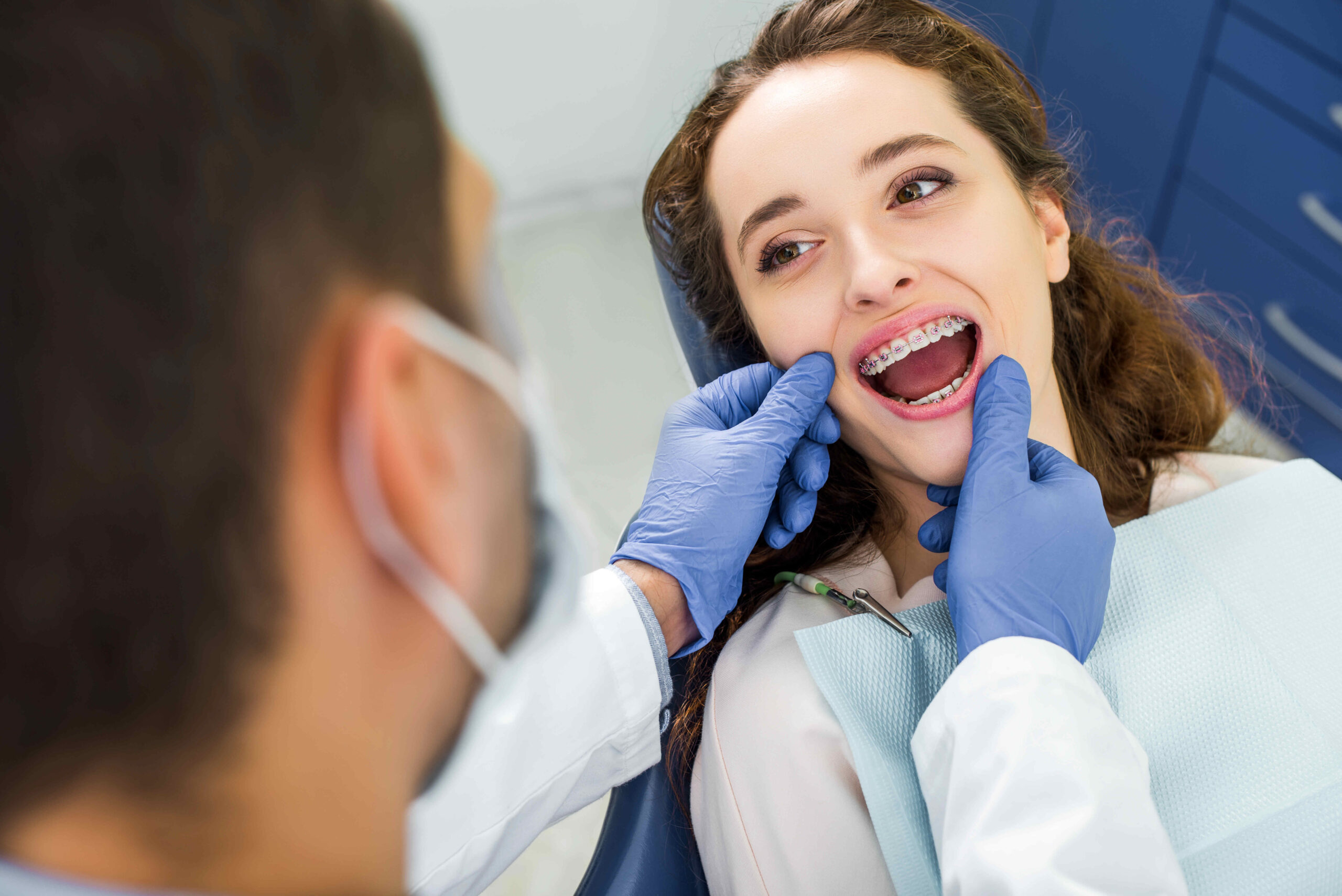
    Starting orthodontic treatment is an exciting step toward a healthier, straighter smile. At the same time, adjusting to braces often comes with new routines, small challenges, and plenty of questions. Knowing what to expect during the first year can help patients — and parents — feel prepared and confident about the process.

    From the initial adjustment period to regular check-ups, this guide covers the key stages of your first year with braces.


    The First Few Days

    When braces are first placed, patients usually experience some pressure as the teeth begin shifting. This is normal and typically lasts only a few days.

    • Mild soreness — Teeth may feel tender when biting or chewing. Soft foods like mashed potatoes, smoothies, and yogurt can help.
    • Irritation — Brackets and wires may rub against the cheeks or lips. Orthodontic wax can provide relief.
    • New routines — Brushing and flossing take more time but quickly become part of the daily schedule.

    Most patients adjust within a week, and the initial discomfort fades as the mouth gets used to braces.


    The First Month

    The first month sets the foundation for success. Patients return to the orthodontist for a follow-up to check progress and make minor adjustments.

    Expect to:

    • Learn new eating habits — Avoid hard, sticky, or crunchy foods that could damage braces.
    • Practice oral hygiene — Brushing after meals and using floss threaders or water flossers becomes essential.
    • Notice small changes — Teeth may already start looking different after just a few weeks.

    Regular Adjustments

    Throughout the first year, patients typically visit the orthodontist every 6–8 weeks for adjustments. These visits are important for ensuring steady progress.

    During adjustments, the orthodontist may:

    • Tighten wires — To apply new pressure and continue tooth movement.
    • Replace elastics — Colorful bands hold wires in place and can be swapped at each visit.
    • Provide new instructions — Such as wearing rubber bands to correct bite issues.

    Mild soreness after adjustments is normal and usually lasts a day or two.


    Common Challenges During Year One

    The first year of braces comes with a learning curve, but most challenges are temporary.

    • Soreness — Especially after adjustments, managed with soft foods and over-the-counter pain relievers.
    • Broken brackets or wires — Usually caused by eating restricted foods; these can be fixed at the orthodontist’s office.
    • Food getting stuck — A common frustration, but tools like interdental brushes help keep braces clean.
    • Staying motivated — Progress takes time, so encouragement from parents or peers can help younger patients stay positive.

    Milestones to Celebrate

    Orthodontic treatment is a journey, and celebrating small wins keeps patients motivated. In the first year, you may notice:

    • Visible changes — Teeth often look noticeably straighter within a few months.
    • Improved bite function — Chewing and speaking may become easier as alignment improves.
    • Personal growth — Learning responsibility through daily care routines.

    Recognizing these milestones helps make the process feel rewarding.


    Tips for Success During the First Year

    Sticking to healthy habits ensures the first year with braces goes smoothly.

    • Maintain consistent oral hygiene — Brush after meals and floss daily to avoid plaque buildup.
    • Wear elastics as instructed — They play a critical role in correcting bite issues.
    • Protect your braces — Always wear a mouthguard when playing sports.
    • Stay positive — Remember that every day with braces is one step closer to a beautiful smile.

    What Happens After the First Year?

    By the end of the first year, patients have usually adjusted fully to life with braces. Teeth are noticeably straighter, and bite corrections are well underway. Treatment time varies, but most patients wear braces for 18–24 months total.

    The second year often brings continued fine-tuning and final adjustments that perfect the smile.


    Take the Next Step Toward a Healthy Smile

    The first year with braces is a time of adjustment, progress, and exciting changes. While there may be challenges, the rewards far outweigh the temporary inconveniences. At Gig Harbor & Tacoma Orthodontics, Dr. Patra and our caring team guide patients through every step of treatment — from the first appointment to the final day braces come off. Schedule your free consultation at our Gig Harbor or Tacoma office to start your journey toward a confident smile.
    seo

    October 19, 2025
  • How Orthodontics and Jaw Alignment Can Relieve Headaches

    How Orthodontics and Jaw Alignment Can Relieve Headaches

    Headaches are one of the most common health complaints, and while they can have many causes — from stress to dehydration — jaw misalignment is often overlooked as a contributing factor. When the teeth and jaws don’t fit together properly, the result can be extra strain on the muscles and joints around the face and head. Over time, this imbalance may lead to recurring tension headaches or even migraines.

    Orthodontics offers solutions by correcting jaw alignment and creating harmony between the teeth, jaws, and muscles. For patients struggling with unexplained or frequent headaches, orthodontic treatment can sometimes provide lasting relief.


    The Link Between Jaw Alignment and Headaches

    The jaw is connected to the skull by the temporomandibular joint (TMJ), which allows for chewing, speaking, and other movements. If the bite is misaligned, the muscles that control these movements may have to work harder than they should. This strain can radiate upward, leading to headaches and facial pain.

    Common bite problems linked to headaches include:

    • Overbite — The upper teeth extend too far over the lower teeth.
    • Underbite — The lower teeth sit in front of the upper teeth.
    • Crossbite — Upper teeth fit inside the lower teeth instead of outside.
    • Open bite — The front teeth don’t touch when the jaws are closed.

    When left uncorrected, these bite issues can place excessive pressure on the jaw joints and muscles, increasing the likelihood of chronic headaches.


    Symptoms That Suggest Jaw Misalignment

    Headaches caused by jaw misalignment often come with other noticeable symptoms. Signs may include:

    • Pain or clicking in the jaw joint — Especially when opening or closing the mouth.
    • Stiffness or soreness — Felt in the jaw, neck, or shoulders.
    • Teeth grinding or clenching — Often worse at night, contributing to muscle fatigue.
    • Uneven tooth wear — Caused by improper bite forces.
    • Earaches or ringing in the ears — Sometimes linked to jaw joint strain.

    If these symptoms accompany frequent headaches, orthodontic treatment may be part of the solution.


    How Orthodontics Helps Relieve Headaches

    Orthodontics focuses on aligning the teeth and jaws so they work together in balance. By correcting bite issues and improving jaw position, orthodontic treatment can reduce the muscle strain that leads to headaches.

    Ways orthodontics helps include:

    • Redistributing bite pressure — Proper alignment ensures no single tooth or area takes on too much force.
    • Relaxing overworked muscles — Reducing strain in the jaw muscles decreases headache frequency.
    • Improving jaw joint health — Balanced alignment prevents unnecessary stress on the TMJ.
    • Supporting long-term oral health — Straight teeth and a stable bite reduce the risk of grinding and uneven wear.

    Orthodontic Treatments for Jaw Alignment

    The best treatment depends on the severity of the bite issue and the patient’s age. Options may include:

    • Braces — Traditional braces are highly effective at correcting complex bite problems.
    • Invisalign — Clear aligners can reposition teeth and jaws gradually, with similar results to braces for many cases.
    • Palatal expanders — Used in children, these create more room in the upper jaw and support proper alignment.
    • Surgical orthodontics — In severe cases, jaw surgery may be recommended to correct skeletal imbalances.

    Each patient’s plan is customized to their needs, with the goal of achieving both functional and aesthetic improvements.


    Other Benefits of Correct Jaw Alignment

    In addition to reducing headaches, correcting jaw alignment can improve overall quality of life. Benefits include:

    • Better chewing function — Reduces strain during meals.
    • Improved speech clarity — Some bite issues can affect pronunciation.
    • Healthier teeth and gums — Proper alignment makes cleaning easier and reduces risk of cavities or gum disease.
    • Enhanced confidence — A straighter smile often boosts self-esteem.

    These combined benefits highlight how orthodontics impacts both oral health and overall well-being.


    When to Seek Help

    If you or your child experiences frequent headaches along with jaw discomfort or bite problems, an orthodontic evaluation may provide answers. While not all headaches are caused by jaw misalignment, orthodontics can be a valuable part of treatment when bite issues are a contributing factor.


    Take the Next Step Toward Relief

    Headaches can interfere with daily life, but the cause isn’t always obvious. For many people, jaw alignment plays a bigger role than they realize. At Gig Harbor & Tacoma Orthodontics, Dr. Patra and our caring team provide expert orthodontic treatment that addresses both the health of your smile and your overall comfort. Schedule a free consultation at our Gig Harbor or Tacoma office to explore how orthodontics may help relieve your headaches.


    seo

    October 14, 2025
  • A Parent’s Guide to Preparing Kids for Their First Braces Appointment

    A Parent’s Guide to Preparing Kids for Their First Braces Appointment

    Getting braces is an exciting milestone for many kids, but it can also feel overwhelming. Between the unfamiliar equipment, long appointments, and lifestyle changes, your child may feel nervous about the process. As a parent, you play a key role in making the transition smooth and positive.

    With the right preparation, braces don’t have to be intimidating. In fact, they can become an opportunity to teach responsibility, self-care, and patience while setting your child on the path to a healthier smile.

    This guide covers what to expect at the first braces appointment and how you can support your child every step of the way.


    What Happens at the First Braces Appointment?

    Before the actual placement of braces, most kids have already gone through a consultation and evaluation. The braces appointment itself is when treatment officially begins. Here’s what typically happens:

    • Cleaning and preparation — The teeth are polished to make sure the brackets stick properly.
    • Bonding — Brackets are attached to each tooth with dental adhesive.
    • Wire placement — An archwire is threaded through the brackets and secured with small elastics.
    • Instructions — The orthodontic team explains how to care for braces, from brushing techniques to food guidelines.

    The appointment usually lasts one to two hours. While kids might feel some pressure or discomfort during the process, it isn’t painful.


    Talking to Your Child About Braces

    Kids may have mixed feelings about braces. Some are excited to personalize them with colored bands, while others worry about appearance or discomfort. Open communication helps ease anxiety.

    • Be honest — Explain that there may be some soreness at first, but it gets easier.
    • Highlight the benefits — Remind them that braces will lead to a healthier, more confident smile.
    • Encourage questions — Let them ask the orthodontist anything they’re curious about.
    • Share stories — If you or someone they know had braces, talk about the positive outcome.

    When kids understand what to expect, they’re more likely to approach the process with confidence.


    Helping Your Child Prepare for Lifestyle Changes

    Braces don’t just change how teeth move — they also come with new habits and responsibilities. Helping your child prepare for these changes can make the transition smoother.

    • Food adjustments — Hard, sticky, or chewy foods can damage braces and should be avoided. Stock up on soft foods like yogurt, pasta, and smoothies for the first few days.
    • Oral hygiene — Brushing and flossing take more time with braces. Show your child how to clean around brackets and wires thoroughly.
    • Discomfort management — Mild soreness is normal after braces are tightened. Over-the-counter pain relievers and orthodontic wax can help.
    • Sports safety — If your child plays contact sports, make sure they have a mouthguard that fits over braces.

    Tips for a Smooth First Week with Braces

    The first week is often the most challenging as kids adjust to new sensations. Parents can make this easier by:

    • Preparing soft meals — Mashed potatoes, soups, and pasta are gentle on sore teeth.
    • Offering orthodontic wax — This can cover sharp edges and prevent irritation.
    • Encouraging patience — Remind your child that the soreness is temporary and gets better quickly.
    • Creating a routine — Help them build consistent brushing and flossing habits from the start.

    Your support during this adjustment period can set the tone for the entire treatment.


    Building Confidence with Braces

    For many kids, braces are as much about confidence as they are about alignment. Parents can encourage positivity by:

    • Letting them choose band colors — Many kids enjoy expressing themselves with different combinations.
    • Celebrating milestones — Acknowledge progress at adjustment appointments.
    • Taking before-and-after photos — These highlight the exciting changes along the way.
    • Offering encouragement — Remind your child that braces are temporary, but the results are lasting.

    When kids feel proud of their braces journey, they’re more likely to stay motivated and compliant with treatment.


    Why Parental Support Matters

    Orthodontic treatment requires teamwork. The orthodontist provides guidance and adjustments, but daily habits are up to your child — with your support. By helping them build good routines and keeping the experience positive, you ensure their treatment is more effective and successful.


    Take the Next Step Toward Your Child’s Smile

    Braces are a big step, but with preparation and encouragement, they can be a positive experience for kids. At Gig Harbor & Tacoma Orthodontics, Dr. Patra and our caring team work closely with families to make the process comfortable and supportive from day one. Schedule your free consultation today at our Gig Harbor or Tacoma office to get your child started on their braces journey with confidence.


    seo

    October 5, 2025
  • After Invisalign: Need for Retainers?

    Wondering what comes after your Invisalign journey with Gig Harbor Orthodontics? Many patients are surprised to learn that retainers play a crucial role in maintaining those perfect smiles post-treatment.

    Importance of Retainers Post-Invisalign

    After completing your Invisalign treatment, it’s crucial to understand the significance of wearing retainers. The primary purpose of retainers is to maintain the new position of your teeth, ensuring that all the time, effort, and investment you put into achieving your perfect smile is not lost. Teeth have a natural tendency to shift back to their original position over time, a process known as relapse. Retainers are designed to prevent this relapse, helping you preserve the straight, beautiful smile you’ve worked so hard for. It’s a common misconception that once teeth are straightened, they will stay that way without further intervention. However, just as Invisalign was a commitment to improving your smile, wearing retainers is a commitment to maintaining it. Choosing to wear retainers after Invisalign is a decision that impacts not only the aesthetics of your smile but also its health. Misaligned teeth can contribute to issues such as difficulty cleaning teeth properly, which can lead to cavities and gum disease. By wearing your retainers as prescribed, you’re not only protecting your investment but also contributing to your overall oral health. For those who might wonder about the visibility of orthodontic treatments, it’s worth noting that like Invisalign, retainers are designed to be as inconspicuous as possible. If you’re curious about how noticeable Invisalign is during treatment, you might find our article Is Invisalign Noticeable to Others? insightful. Ultimately, retainers are a key step in the journey towards not only achieving but also maintaining your ideal smile.

    Types of Retainers After Invisalign

    After completing your Invisalign treatment, it’s crucial to maintain those hard-earned results. This is where retainers come into play. Retainers are designed to keep your teeth in their new, correct positions until they have settled into the jawbone and soft tissue. There are mainly two types of retainers used after Invisalign: fixed retainers and removable retainers. Fixed retainers consist of a thin wire that is permanently attached to the backside of your teeth, usually the bottom teeth, to keep them in place. On the other hand, removable retainers can be taken out and put back in by the patient and are made from a clear plastic similar to Invisalign aligners, offering a discreet way to maintain your smile. Choosing the right type of retainer is essential for preserving the alignment of your teeth after Invisalign treatment. Your orthodontist will recommend the best option based on your specific needs and lifestyle. Remember, wearing your retainer as directed is key to preventing your teeth from gradually shifting back to their original positions. For those considering or currently undergoing Invisalign treatment, Gig Harbor Invisalign Consultations Available can provide further personalized advice and support on how to achieve and maintain your perfect smile.

    How to Care for Your Retainer

    After completing your Invisalign treatment, it’s crucial to maintain those perfect results with the help of retainers. However, the effectiveness of your retainer depends significantly on how well you care for it. To ensure your retainer remains in top condition, always rinse it with lukewarm water after removal to eliminate any lingering bacteria or saliva. For a deeper clean, consider using a mild dish soap or a retainer cleaner recommended by your orthodontist, but avoid hot water or harsh chemicals as they can warp the material. Additionally, when not in use, store your retainer in its designated case to protect it from damage and contamination. Remember, a well-maintained retainer is key to keeping your smile straight and beautiful long after your Invisalign journey ends.

    Common Retainer Myths Debunked

    After completing your Invisalign treatment, the journey towards maintaining that perfect smile is far from over. A crucial step that follows is the use of retainers. However, there are several myths surrounding retainers that can lead to confusion and misconceptions. One common myth is that retainers are only necessary for a short period after treatment. In reality, to maintain your newly aligned teeth, retainers may need to be worn for a longer duration, sometimes indefinitely during nights. Another myth is that all retainers are the same; however, retainers are custom-made to fit the individual’s mouth and needs. Debunking these myths is essential for ensuring the longevity of your Invisalign results and keeping your smile straight and beautiful. For more information on maintaining your smile after Invisalign, visit Gig Harbor Orthodontics.

    Retainer Wear Schedule and Adjustments

    After completing your Invisalign treatment, it’s crucial to understand the importance of retainers in maintaining your new smile. The retainer wear schedule and necessary adjustments are pivotal for ensuring your teeth remain in their corrected positions. Initially, your orthodontist might recommend wearing your retainer full-time for a few months, gradually transitioning to only wearing it at night. This schedule can vary based on individual needs and the specifics of your dental alignment. Over time, your dentist will also assess the fit of your retainer, making adjustments as needed to ensure it remains effective. Adhering to this regimen is essential for preserving the results of your Invisalign treatment and keeping your smile straight and beautiful for years to come.

    Conclusion

    For personalized advice on retainers after Invisalign, call Gig Harbor Orthodontics at 253-851-9473 or read our reviews on Google Maps.

    Kickstart

    February 15, 2024
  • Duration of Invisalign Treatment

    Wondering how long it might take to achieve your dream smile with Invisalign treatment? At Gig Harbor Orthodontics, we tailor the duration of your Invisalign journey to meet your unique needs, typically ranging from 12 to 18 months for most patients.

    Factors Affecting Treatment Length

    The duration of Invisalign treatment can vary significantly from one individual to another, influenced by several key factors. One of the primary determinants is the complexity of the dental issues being addressed. Simple cases, such as minor crowding or spacing, may require a shorter treatment time, often ranging from six to twelve months. Conversely, more complex dental problems, such as severe misalignment or bite issues, can extend the treatment period to 18 months or more. The patient’s compliance with wearing the aligners for the recommended 20 to 22 hours per day also plays a crucial role in determining the overall treatment length. Another factor to consider is the post-treatment phase, which involves the use of retainers to maintain the teeth in their new positions. The necessity and duration of retainer use can influence the total time you are engaged in orthodontic treatment. For more information on this critical phase, you might find our article on After Invisalign: Need for Retainers? helpful. It’s important to follow your orthodontist’s guidance on retainer use to ensure that your beautiful new smile lasts a lifetime.

    Average Duration by Case Complexity

    The duration of Invisalign treatment can vary significantly depending on the complexity of the case. For minor corrections, patients might see their desired results in as little as six months. However, for moderate cases involving more significant teeth alignment or bite adjustments, the treatment can extend to approximately 12-18 months. It’s essential to understand that these timelines are averages and individual experiences may vary. Factors such as the patient’s adherence to wearing the aligners for the recommended 22 hours per day and their biological response to the treatment can influence the overall duration. For those with more complex dental issues, the journey to a perfect smile might extend beyond 18 months. It’s crucial to have a thorough consultation with an orthodontist who can provide a more accurate timeline based on your specific needs. If you’re considering Invisalign as a solution to enhance your smile, exploring detailed information and expert advice is key. For more insights and to discover how you can Perfect Your Smile in Gig Harbor, consider scheduling a consultation with a specialized orthodontist.

    Accelerating Invisalign Treatment Tips

    When considering the duration of Invisalign treatment, many patients seek ways to expedite the process. Fortunately, there are several effective strategies to potentially shorten your treatment timeline. First and foremost, adherence to wearing your aligners for the recommended 20-22 hours per day cannot be overstated. Consistency is key. Additionally, utilizing accessories like Invisalign’s AcceleDent or VPro5, which use gentle vibrations to help move teeth more efficiently, can also contribute to faster results. Regular dental check-ups to monitor progress and timely adjustments to your treatment plan are crucial. Lastly, maintaining excellent oral hygiene ensures that your treatment is not delayed by dental issues. By following these tips, you may be able to accelerate your Invisalign treatment and enjoy your new smile sooner.

    Comparing Invisalign to Traditional Braces

    When considering orthodontic treatment, the choice between Invisalign and traditional braces is a common dilemma. Invisalign offers a discreet, flexible option for straightening teeth, using clear aligners that are virtually invisible. This modern approach allows for easy removal during meals and dental hygiene routines, providing a level of convenience not found with traditional metal braces. On the other hand, traditional braces have been the go-to solution for more complex dental issues for decades, offering a high level of precision in teeth alignment. While Invisalign suits those seeking an inconspicuous treatment method and has a variable duration depending on the individual’s needs, traditional braces are often worn for about 18 to 24 months. The choice between the two should be made based on the specific orthodontic requirements, lifestyle, and personal preference of the patient. For expert advice tailored to your unique dental profile, consider consulting Gig Harbor Orthodontics.

    Maintenance After Invisalign Treatment Ends

    Once your journey with Invisalign concludes, maintaining the stunning results is crucial to ensure your smile remains as intended. Post-treatment care primarily involves the use of retainers, which are essential in preventing your teeth from gradually shifting back to their original positions. Initially, you may need to wear your retainer full-time for a few months, transitioning to only wearing it at night as advised by your orthodontist. Besides retainer use, continuing with regular dental hygiene practices, including brushing, flossing, and routine dental check-ups, will help maintain not only the alignment but also the overall health of your teeth and gums. Remember, the longevity of your Invisalign results significantly depends on your commitment to these maintenance practices.

    Conclusion

    To explore more about Invisalign treatment durations and how we can help perfect your smile, call Gig Harbor Orthodontics at 253-851-9473 or read our reviews on Google Maps.

    Kickstart

    February 15, 2024
  • Eating and Drinking with Invisalign

    Wondering how your eating and drinking habits might change with Invisalign? At Gig Harbor Orthodontics, we’re here to guide you through the seamless transition, ensuring you can enjoy your favorite foods and beverages while achieving the smile of your dreams.

    Choosing Invisalign-friendly Foods and Drinks

    When you opt for Invisalign to straighten your teeth, it’s crucial to consider the types of foods and drinks that are compatible with your treatment. Unlike traditional braces, Invisalign aligners are removable, which means you have more flexibility in your diet. However, to ensure the effectiveness of your treatment and maintain oral hygiene, it’s advisable to avoid certain items. Sticky, hard, or chewy foods can damage your aligners or impede your progress. Similarly, beverages that are high in sugar or have strong coloring can stain your aligners or teeth if consumed frequently. Opting for softer foods and clear or light-colored drinks can make a significant difference in your Invisalign journey. Understanding the Duration of Invisalign Treatment is also essential as it can influence your dietary choices throughout the process. For instance, shorter treatment periods might require stricter adherence to Invisalign-friendly diets to maximize effectiveness. Drinking plenty of water is not only beneficial for your overall health but also helps in keeping your aligners clean and preventing dehydration. Water is the best choice for staying hydrated without risking damage to your Invisalign trays. By making informed choices about what you eat and drink, you can ensure a smoother and more efficient Invisalign experience.

    Tips for Eating Out with Invisalign

    Eating out with Invisalign doesn’t have to be a daunting task. With the right approach, you can enjoy your meals without compromising your orthodontic treatment. Firstly, always remember to remove your aligners before eating or drinking anything other than water. This prevents damage to your aligners and ensures they remain invisible and effective. Carry your Invisalign case with you to safely store them while you dine. Secondly, opt for foods that are less likely to get stuck in your teeth. Soft foods or those that are easy to chew are ideal choices when dining out. This minimizes the risk of food particles getting trapped under your aligners, which could lead to cavities or discomfort. After your meal, take a moment to rinse your mouth and, if possible, brush your teeth before reinserting your aligners. This step is crucial in maintaining oral hygiene and preventing any potential issues that could arise from food particles remaining in your teeth or aligners. If brushing isn’t an option, chewing sugar-free gum for a few minutes can also help clean your teeth until you’re able to brush properly. By following these simple tips, you can ensure that eating out with Invisalign is both an enjoyable and worry-free experience. For more information on how to manage your Invisalign treatment effectively, consider exploring Invisalign Treatment in Gig Harbor.

    Managing Discomfort During Meals

    When it comes to eating and drinking with Invisalign, managing discomfort during meals is a common concern for many users. The key to a pain-free experience lies in the preparation and choice of food. Opt for softer foods that require minimal chewing, such as smoothies, soups, and steamed vegetables, especially in the initial days of a new aligner set when teeth might feel particularly sensitive. It’s also advisable to remove your aligners before eating to avoid any unnecessary pressure or damage. Drinking cool water or gently rinsing your mouth with a saltwater solution can also soothe your gums. Remember, maintaining good oral hygiene and using aligners as directed can significantly reduce discomfort over time, making your Invisalign journey smoother and more comfortable.

    Cleaning Invisalign after Eating

    Maintaining your Invisalign aligners is crucial for ensuring their effectiveness and your oral health. After eating or drinking anything other than water, it’s important to clean both your teeth and your Invisalign trays before reinserting them. Start by rinsing your mouth to remove any food particles and then brush your teeth gently but thoroughly. Next, clean your Invisalign aligners with a soft-bristled toothbrush and lukewarm water; avoid using hot water as it can warp the plastic. For a deeper clean, consider using a cleaning solution specifically designed for Invisalign. This routine helps prevent the buildup of bacteria and keeps your aligners clear and odor-free, ensuring a smoother and more hygienic treatment process. For more expert advice on caring for your Invisalign, visit Gig Harbor Orthodontics.

    Hydration Tips with Invisalign

    Maintaining optimal hydration is crucial when undergoing treatment with Invisalign aligners. Drinking plenty of water not only supports your overall health but also helps in keeping your mouth clean and free from bacteria that can accumulate under the aligners. It’s recommended to sip water throughout the day, especially after meals or snacks if brushing isn’t immediately possible, to flush out food particles and reduce the risk of cavities. However, it’s important to avoid colored or sugary beverages while wearing your aligners, as these can stain the plastic and lead to tooth decay. For those looking to enhance their Invisalign experience, incorporating these hydration tips can significantly contribute to a more comfortable and effective treatment process.

    Conclusion

    For personalized advice on managing your Invisalign treatment, contact Gig Harbor Orthodontics at 253-851-9473 or read our Google Maps reviews.

    Kickstart

    February 15, 2024
  • Invisalign: Pain and Speech Effects

    Are you curious about how Invisalign might affect your daily life, specifically in terms of pain and speech? At Gig Harbor Orthodontics, we’re here to shed light on these common concerns, ensuring you understand the minimal discomfort and slight adjustments in speech that some patients experience during their Invisalign journey.

    Initial Discomfort with Invisalign Aligners

    When you first start your journey with Invisalign, it’s common to experience some initial discomfort. This discomfort is typically due to the pressure that the aligners exert on your teeth as they begin the process of realignment. For most people, this sensation diminishes after the first few days as the mouth adjusts to the presence of the aligners. It’s important to remember that this initial discomfort is a sign that your Invisalign treatment is working as intended, gently moving your teeth to their desired positions. To help manage any discomfort, consider soft foods and cold drinks, and refer to our guide on Eating and Drinking with Invisalign for more tips on how to make your treatment period more comfortable. In addition to physical discomfort, some Invisalign users report a slight adjustment period when it comes to speech. This is because the aligners can slightly alter the space within your mouth, affecting how you pronounce certain sounds. This adjustment period is typically short-lived, with most individuals finding that they can speak normally within a few days of wearing their aligners. Practicing speaking while wearing your Invisalign can help speed up this adjustment process. Remember, these minor inconveniences are temporary and a small price to pay for the benefits of having a straighter, healthier smile without the aesthetic concerns of traditional braces.

    Managing Pain During Treatment Adjustments

    Invisalign, while being a less invasive alternative to traditional braces, can still cause discomfort or pain, especially during the initial stages of treatment or following adjustment appointments. This discomfort is typically due to the pressure exerted by the aligners as they work to shift your teeth into their new positions. To manage this pain, patients are advised to use over-the-counter pain relievers, such as ibuprofen or acetaminophen, following their orthodontist’s recommendations. Additionally, applying a cold compress to the outside of the mouth can help reduce swelling and alleviate pain. It’s also beneficial to stick to soft foods during periods of heightened sensitivity. Remember, any discomfort usually subsides within a few days as your mouth adjusts to the new aligner. For those undergoing Invisalign treatment, it’s crucial to have a supportive and knowledgeable orthodontic team by your side. If you’re looking for expert care and guidance throughout your Invisalign journey, consider visiting Gig Harbor’s Premier Invisalign Providers. Their experienced team is dedicated to ensuring your treatment is as comfortable and effective as possible, helping you achieve the beautiful smile you’ve always wanted with minimal discomfort.

    Speech Adaptation with Invisalign Wear

    When you first start wearing Invisalign aligners, you might notice a slight impact on your speech. This is a common experience for many users, as the mouth adjusts to the presence of the aligners. Initially, you may encounter a lisp or find certain words harder to pronounce. However, this is typically a temporary phase. Most individuals adapt quickly, often within a few days to a week, as their tongue and mouth muscles adjust to the new dental accessory. Practicing speaking, reading aloud, or even singing can expedite this adaptation process, helping you regain your normal speech patterns swiftly. Remember, the minor inconvenience at the start is a small price to pay for the journey towards a straighter, healthier smile with Invisalign.

    Tips for Minimizing Invisalign Discomfort

    Invisalign aligners offer a less visible and more comfortable alternative to traditional braces, but they can still cause some discomfort and adjustment issues, particularly in the initial stages of treatment. To minimize Invisalign discomfort, start by using dental wax on any aligner edges that might irritate your gums or the inside of your mouth. It’s also beneficial to switch to new aligners before bedtime, giving your mouth time to adjust while you sleep. Over-the-counter pain relievers can be effective for managing pain, but always follow the recommended dosage. Chewing exercises with Invisalign chewies can also help your aligners fit better and reduce discomfort. Remember, maintaining good oral hygiene and following your orthodontist’s instructions are key to minimizing discomfort and achieving the best results. For personalized advice and treatment options, consider visiting Gig Harbor Orthodontics.

    Long-term Benefits Outweigh Temporary Challenges

    When considering Invisalign as a solution for straightening teeth, it’s essential to understand that while there may be temporary challenges such as mild discomfort and slight alterations in speech, these are often short-lived and manageable. The long-term benefits of undergoing Invisalign treatment far outweigh these initial hurdles. Not only does Invisalign offer a discreet way to achieve a healthier, more aligned smile, but it also promotes better oral hygiene and can significantly improve your self-confidence. Patients typically adjust to the aligners quickly, finding any initial pain to diminish and speech to return to normal as they become accustomed to their new dental accessory. Ultimately, the journey with Invisalign leads to a beautiful smile and enhanced oral health, making the temporary inconveniences a small price to pay for lasting results.

    Conclusion

    For personalized advice on Invisalign’s impact on pain and speech, contact Gig Harbor Orthodontics at 253-851-9473 or read our Google Maps reviews.

    Kickstart

    February 15, 2024
  • Can Invisalign Fix My Teeth Issues?

    Are you wondering if Invisalign can address your dental concerns and give you the smile you’ve always wanted? At Gig Harbor Orthodontics, we’re here to tell you that this innovative treatment can effectively correct a wide range of teeth alignment issues, offering a discreet and comfortable solution for patients seeking a confidence-boosting smile.

    Understanding Invisalign’s Capabilities

    Invisalign has revolutionized the world of orthodontics by offering a clear, comfortable, and convenient alternative to traditional metal braces. This innovative treatment is designed to correct a wide range of dental issues, including crooked teeth, overbites, underbites, and gaps between teeth. However, it’s important for patients to have realistic expectations and understand that while Invisalign is highly effective for many, it may not be suitable for every dental condition. Complex cases requiring significant tooth movement or rotation might need alternative or additional orthodontic interventions. One common concern among potential Invisalign users is how the treatment might affect their daily life, specifically regarding pain and speech. It’s natural to experience some discomfort and a slight adjustment period as your teeth begin to move. Additionally, some users report a temporary change in their speech, such as a slight lisp, when they first start wearing their aligners. For a deeper dive into these aspects, consider reading Invisalign: Pain and Speech Effects. This resource provides valuable insights into what you can expect during your Invisalign journey, helping you make a more informed decision about whether this treatment aligns with your personal and dental health goals.

    Common Issues Invisalign Can Correct

    Invisalign has revolutionized the way we approach orthodontic treatment, offering a discreet and comfortable alternative to traditional braces. This innovative system is capable of correcting a wide range of dental issues, making it a popular choice for individuals looking to improve their smile. Among the common problems Invisalign can address are overcrowded teeth, which occur when there is not enough space in the jaw for all of the teeth to fit normally. Invisalign aligners can gradually move these teeth into better positions, enhancing both appearance and function. Similarly, gaps between teeth can also be effectively closed using Invisalign, creating a more uniform and aesthetically pleasing smile. Moreover, Invisalign is adept at correcting various bite issues, including overbite, underbite, crossbite, and open bite. These conditions can lead to difficulties in chewing and speaking, as well as increased wear on the teeth. By strategically applying pressure to specific teeth, Invisalign aligners can realign the jaw and improve bite functionality. This not only contributes to a more attractive smile but also promotes better oral health. For those considering this path to a straighter smile in Gig Harbor, exploring Invisalign as a treatment option is a step in the right direction. Get Straight Teeth in Gig Harbor with Invisalign and embrace the confidence that comes with a beautifully aligned smile.

    Invisalign vs. Traditional Braces

    When considering orthodontic treatment, the choice between Invisalign and traditional braces is a common dilemma. Invisalign offers a nearly invisible solution, using clear, removable aligners tailored to gradually shift your teeth into place. This modern approach allows for easier cleaning and eating, with fewer visits to the orthodontist. Traditional braces, on the other hand, use metal brackets and wires to correct teeth alignment and can tackle more complex dental issues. While braces are more visible and can sometimes cause discomfort due to the wires, they have been a reliable method for decades. Ultimately, the decision between Invisalign and traditional braces depends on your specific dental needs, lifestyle preferences, and budget.

    Limitations of Invisalign Treatment

    While Invisalign offers a discreet and comfortable way to straighten teeth, it’s important to understand its limitations. Invisalign may not be suitable for severe orthodontic issues, such as large gaps, complex bite problems, or extreme tooth rotations. The effectiveness of Invisalign also heavily relies on the patient’s commitment to wearing the aligners for the recommended 22 hours per day. Failure to do so can result in prolonged treatment times or less effective results. Additionally, Invisalign treatment might not be the best option for patients with bridgework or those who require vertical tooth movement. Understanding these limitations is crucial in setting realistic expectations for your orthodontic treatment. For personalized advice and to explore if Invisalign is right for you, consider consulting with Gig Harbor Orthodontics.

    Preparing for Invisalign Treatment

    Before embarking on your journey with Invisalign, it’s crucial to understand the steps involved in preparing for this transformative treatment. Initially, a comprehensive dental assessment is essential to determine if you’re an ideal candidate for Invisalign. This involves a detailed examination of your teeth, gums, and overall oral health. Your dentist will take digital scans or impressions of your teeth to create a precise 3D model. This model is instrumental in developing a customized treatment plan that outlines the movement of your teeth and the estimated duration of the treatment. Preparing for Invisalign also means being ready for a commitment to wearing the aligners for the recommended 20 to 22 hours per day and maintaining excellent oral hygiene to ensure the best possible outcome.

    Conclusion

    To discover how Invisalign can address your dental concerns, call Gig Harbor Orthodontics at 253-851-9473 or read our Google Maps reviews.

    Kickstart

    February 15, 2024
  • Is Invisalign Noticeable to Others?

    Are you wondering if Invisalign is noticeable to others when you smile or talk? At Gig Harbor Orthodontics, we’re here to tell you that Invisalign offers a discreet way to straighten your teeth, making it barely noticeable to those around you.

    Spotting Invisalign: A Closer Look

    When considering the leap to Invisalign for teeth alignment, a common concern among potential users is whether the aligners will be noticeable during social interactions or in professional settings. Invisalign aligners are designed with transparency in mind, aiming to blend seamlessly with your natural teeth. However, the visibility of Invisalign can depend on several factors, including the lighting, how closely someone is looking, and the specific alignment issues being addressed. For those wondering about the effectiveness of Invisalign for various dental concerns, exploring Can Invisalign Fix My Teeth Issues? can provide deeper insights into what Invisalign can achieve. Despite their discreet design, there are situations where Invisalign aligners might catch someone’s eye. For instance, the aligners can sometimes reflect light differently than natural teeth, which might make them more noticeable in bright lighting conditions. Additionally, the small, customized attachments that are often placed on the teeth to help the aligners grip and move the teeth more effectively can be visible up close. However, it’s important to note that these factors rarely detract from the overall inconspicuous nature of Invisalign. Most users report that their friends, family, and colleagues do not notice their aligners until they’re pointed out, allowing for a more confident smile during treatment.

    Invisalign’s Visibility in Social Settings

    Invisalign has revolutionized the way people straighten their teeth, offering a less noticeable alternative to traditional metal braces. In social settings, the visibility of Invisalign aligners is a common concern for many considering this orthodontic treatment. Thanks to the clear, plastic material from which the aligners are made, Invisalign is designed to be virtually invisible when worn. Most people will not even notice you’re undergoing orthodontic treatment unless they look closely or you choose to tell them. This makes Invisalign an excellent choice for adults and teens who are self-conscious about their appearance and do not want their daily lives interrupted by more visible orthodontic solutions. Despite its discreet nature, the success of Invisalign depends on the commitment of the wearer to keep the aligners in for the recommended 20 to 22 hours per day. It’s also important to maintain good oral hygiene and visit your orthodontist regularly to ensure the treatment is progressing as planned. For those interested in exploring this inconspicuous orthodontic option further, consulting with Invisalign Experts in Gig Harbor can provide personalized advice and help determine if Invisalign is the right choice for your smile goals.

    The Subtlety of Clear Aligners

    When considering orthodontic treatment, many individuals are concerned about the visibility of their braces, making Invisalign a popular choice due to its discreet nature. The subtlety of clear aligners lies in their innovative design; crafted from transparent, BPA-free plastic, they snugly fit over your teeth, making them virtually invisible to the casual observer. This means that you can confidently smile, speak, and engage in social interactions without the self-consciousness often associated with traditional metal braces. Invisalign aligners are custom-made to ensure a perfect fit, further enhancing their inconspicuous appearance. Whether you’re in a professional setting or simply enjoying a night out with friends, Invisalign provides an effective orthodontic solution that doesn’t draw attention to your treatment.

    Friends’ Perspectives on Invisible Braces

    When considering Invisalign, a common concern is its visibility to others. From friends’ perspectives, the consensus is overwhelmingly positive: Invisalign truly lives up to its name as invisible braces. Many users report that their friends only notice they’re undergoing orthodontic treatment when it’s pointed out to them. This discreet nature of Invisalign allows individuals to feel more confident and less self-conscious during their orthodontic journey. Friends often express surprise and interest in how the aligners are almost imperceptible, even during close-up interactions. This feedback underscores the effectiveness of Invisalign in blending seamlessly with one’s lifestyle, making it a preferred choice for those seeking a less noticeable orthodontic solution. For more information on how Invisalign can fit into your life, visit Gig Harbor Orthodontics.

    Invisalign vs. Traditional Braces: Noticeability

    When comparing Invisalign to traditional braces, one of the most significant considerations for many is how noticeable the treatment will be to others. Invisalign, known for its clear, plastic aligners, offers a virtually invisible solution to teeth straightening, making it a preferred choice for adults and teens concerned about the aesthetic impact of orthodontic treatment. Unlike the metal brackets and wires associated with traditional braces, which are visibly apparent whenever you speak, smile, or laugh, Invisalign aligners are discreet and hard to detect unless someone is looking closely. This subtlety allows wearers to feel more confident and less self-conscious during their orthodontic journey.

    Conclusion

    For personalized advice on Invisalign and to ensure your smile shines with confidence, call Gig Harbor Orthodontics at 253-851-9473 or read our Google Maps reviews.

    Kickstart

    February 15, 2024

Gig Harbor – Tacoma Orthodontics

Proudly making smiles brighter in the Washington area.

Contact Us

Contact

5334 Olympic Dr #201, Gig Harbor, WA 98335, United States

253-851-9473

Services

  • Early orthodontics

  • Invisalign

  • Invisalign teen

  • Orthodontic Consultations

  • Orthodontic Evaluations for Adults

  • Orthodontic Evaluations for Children and Teens

  • Orthodontics

  • Phase 1 Orthodontics

Hours

Hours vary by location—please contact us for details.

© 2026 Gig Harbor – Tacoma Orthodontics. Privacy Policy